Makkah metro is moving forward
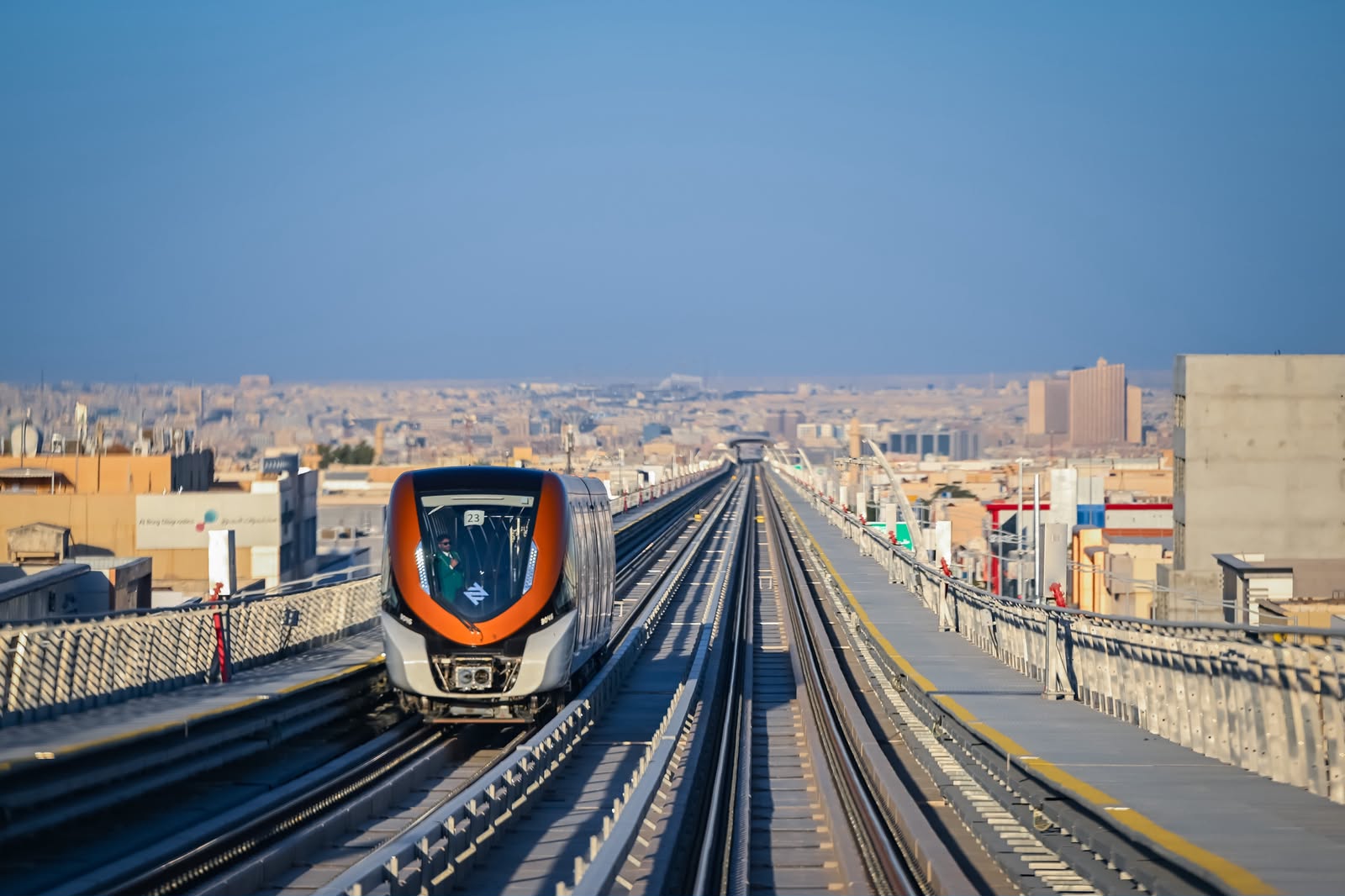
Four lines, 183 km and 89 stations, phased in from 2032. The design deadline is October.
Published 17 September 2026
Renewed efforts to assess the metro have been introduced, with a deadline set for October regarding the design works.
The latest proposal suggests the metro is planned to come into effect across 2032-2045, suggesting a period of design and construction prior to the network becoming operational.
There is early indication of the lines being proposed, as well as the extent of the network.
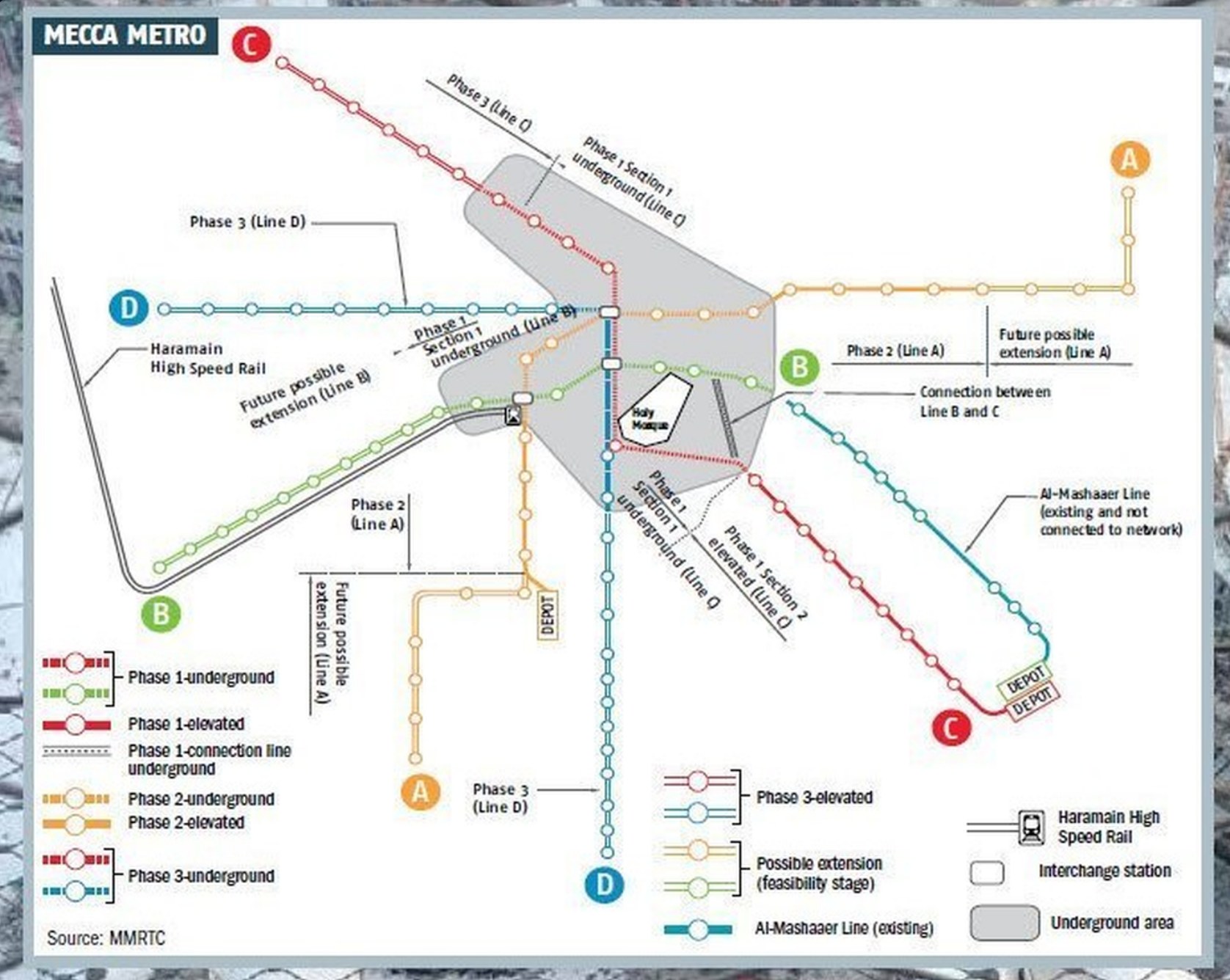
Four routes have been outlined, including a connection to the existing Masha'er metro line, which is currently only operational during the Hajj period.
The total length of the network amounts to 183 km, supported by 89 stations and 3 depots. The metro is expected to be phased in, with Lines B and C to be initiated first, and Lines A and D to follow.
The phased nature of the metro follows the approach adopted in Riyadh, where a set of lines were first introduced and later complemented by a broader network. This allows the capital expenditure to be phased over a longer period, whilst still allowing the benefits to materialise on priority lines.
The latest information on lines and stations provides a more concrete direction on the status of the Makkah metro, which has faced widespread speculation in prior months.
It is a topic that is of interest to millions globally, as it will address one of the key hurdles in Makkah today that most will have experienced first-hand: moving across the city.
Whether you're someone visiting the city for a week, or the city is a place you call home, a metro would very much be a welcome change to the city.
The introduction of city buses several years ago has already seen a significant uptake in shuttling people across the city.
However, given the volume of trips taking place in a city such as Makkah, there has been an increasing appetite to create more transport infrastructure to ease city congestion.
The success of a metro network can be seen in cities across the world, from London to Istanbul. It helps ease congestion on the city's roads and instead encourages public transport usage.
Given the rise of new developments across Makkah, the role of the metro in connecting these newly formed areas will be key to ensuring a fully integrated city.
For a city that is often faced with peak congestion during the religious seasons of Hajj and Ramadan, the ability to transport pilgrims in a seamless manner is of paramount importance.
As the design process is initiated, millions globally will be waiting in anticipation of a completely evolved city experience, should the metro come into effect.
More news
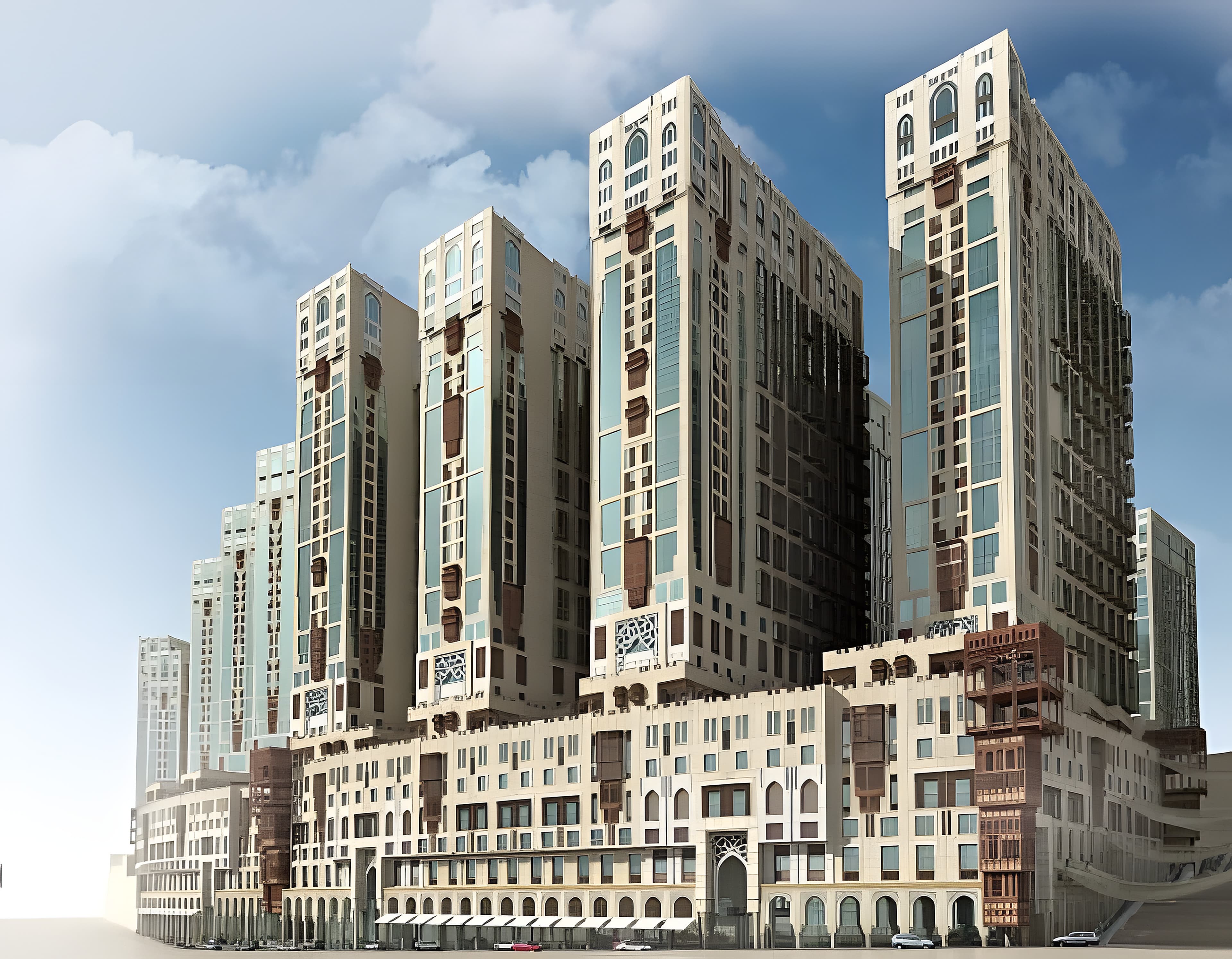
Accor to launch 5 new hotels across Makkah and Madinah
Five hotels and 4,885 keys, from Sofitel Jabal Omar this year to Novotel in 2030.
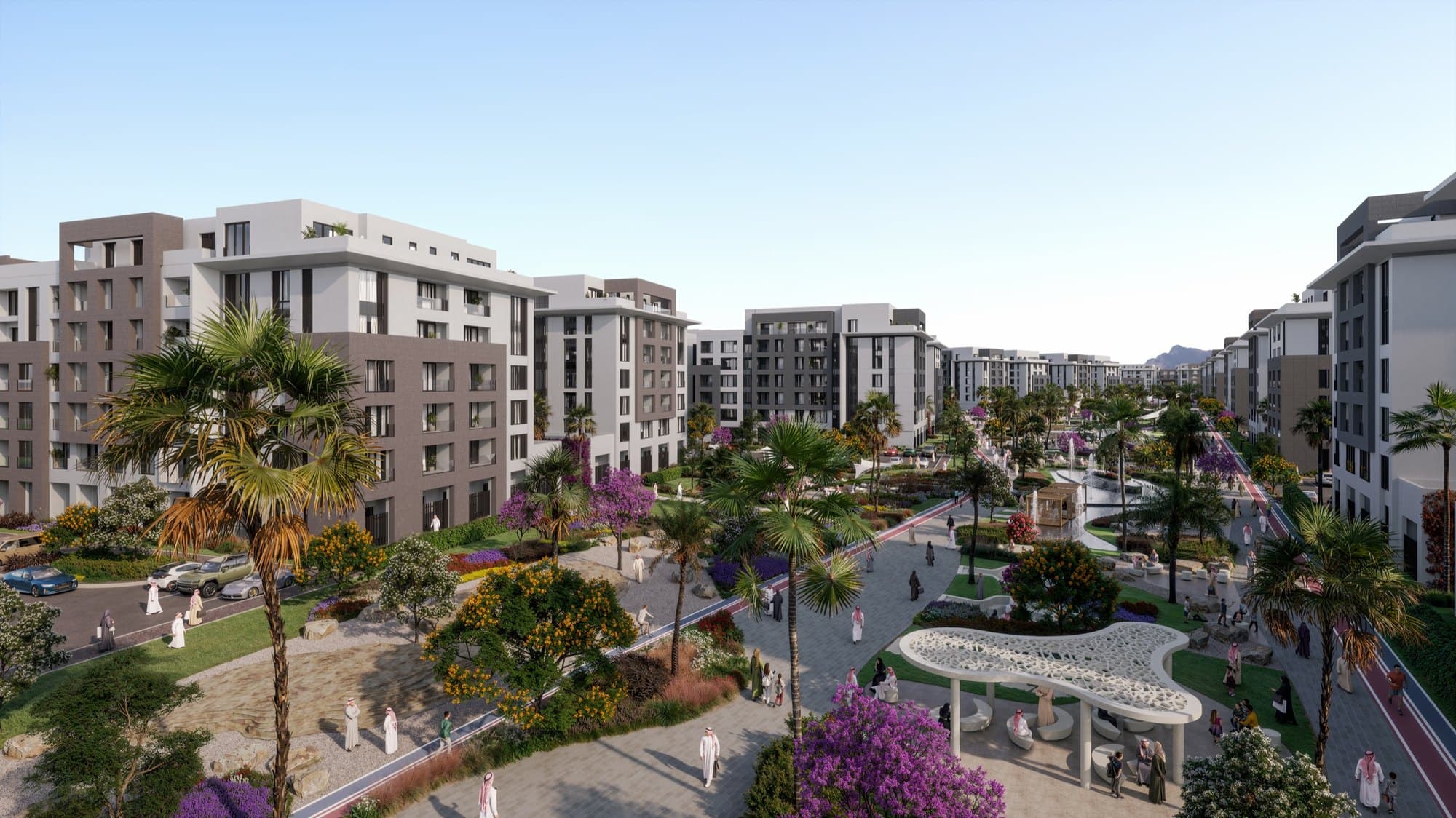
A new residential community in Madinah
Off-plan apartments from £370,000 beside the Haramain station, with a 5% down payment and freehold title.
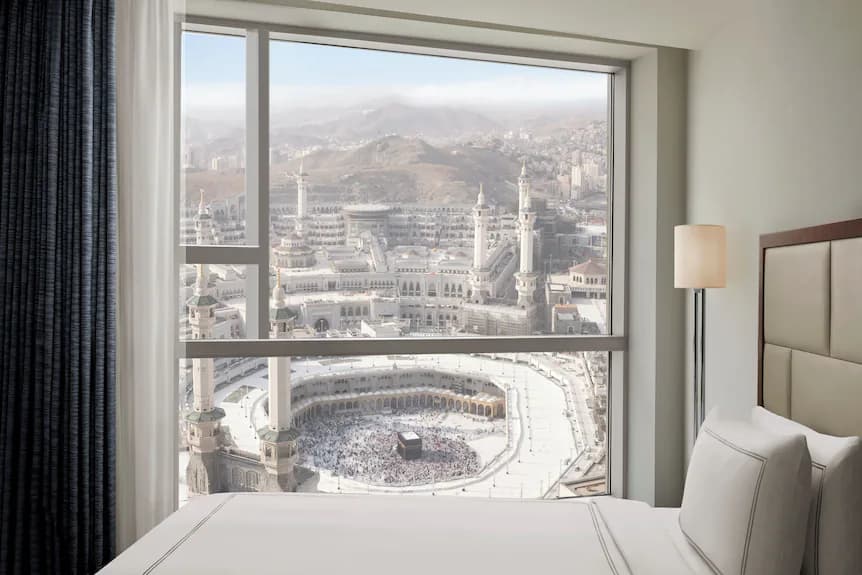
Your guide to finding a Haram-facing hotel room
23 hotels offer Haram-facing rooms, 11 see the whole Haram and 12 sell Kaaba view rooms. Here is the full list.
Accor to launch 5 new hotels across Makkah and Madinah
Five hotels and 4,885 keys, from Sofitel Jabal Omar this year to Novotel in 2030.
A new residential community in Madinah
Off-plan apartments from £370,000 beside the Haramain station, with a 5% down payment and freehold title.
Your guide to finding a Haram-facing hotel room
23 hotels offer Haram-facing rooms, 11 see the whole Haram and 12 sell Kaaba view rooms. Here is the full list.
See more
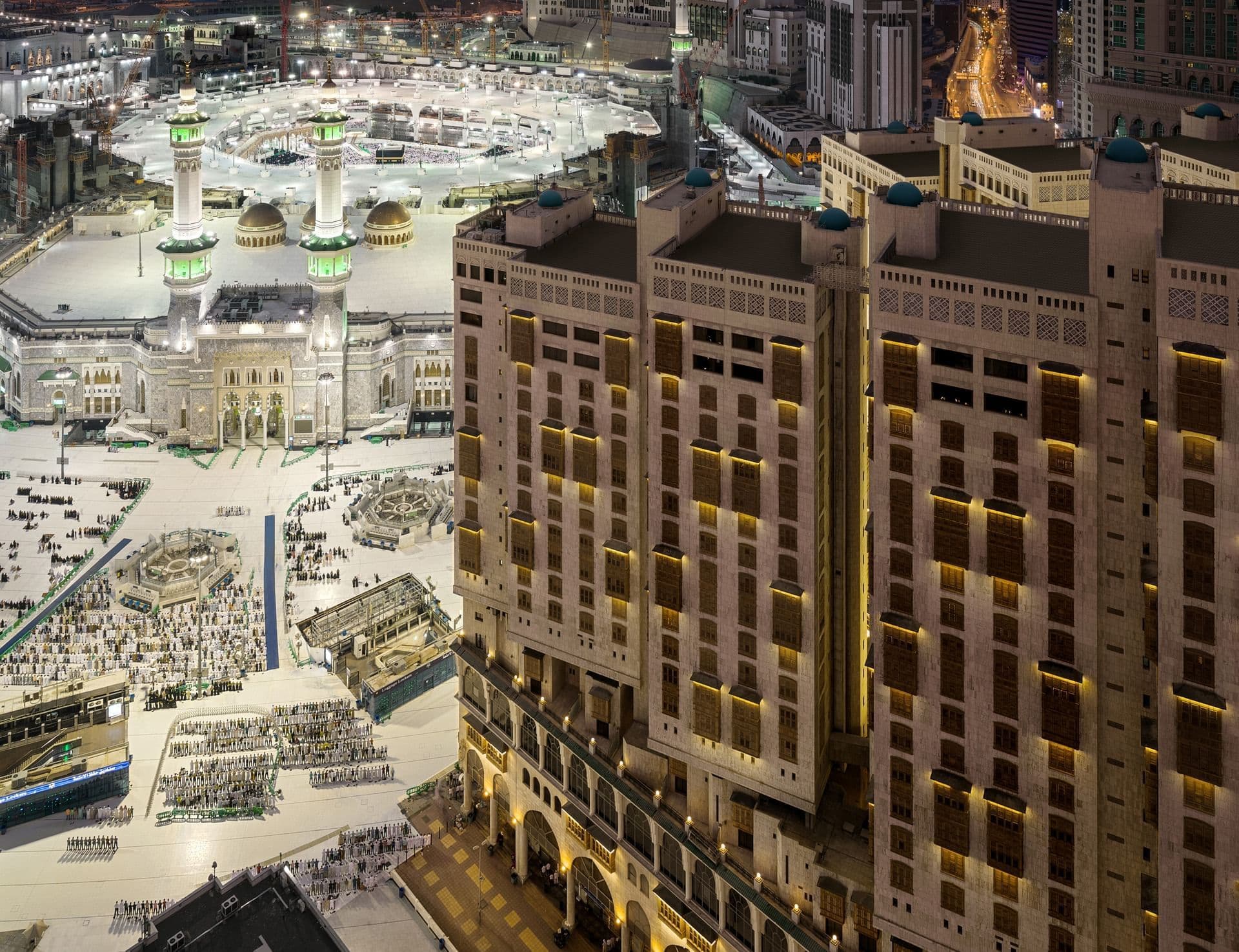
Makkah Towers is getting a $100 million refit
The lowest rated of the 25 major brands near the Haram is renovating its rooms, as new hotels raise the bar.
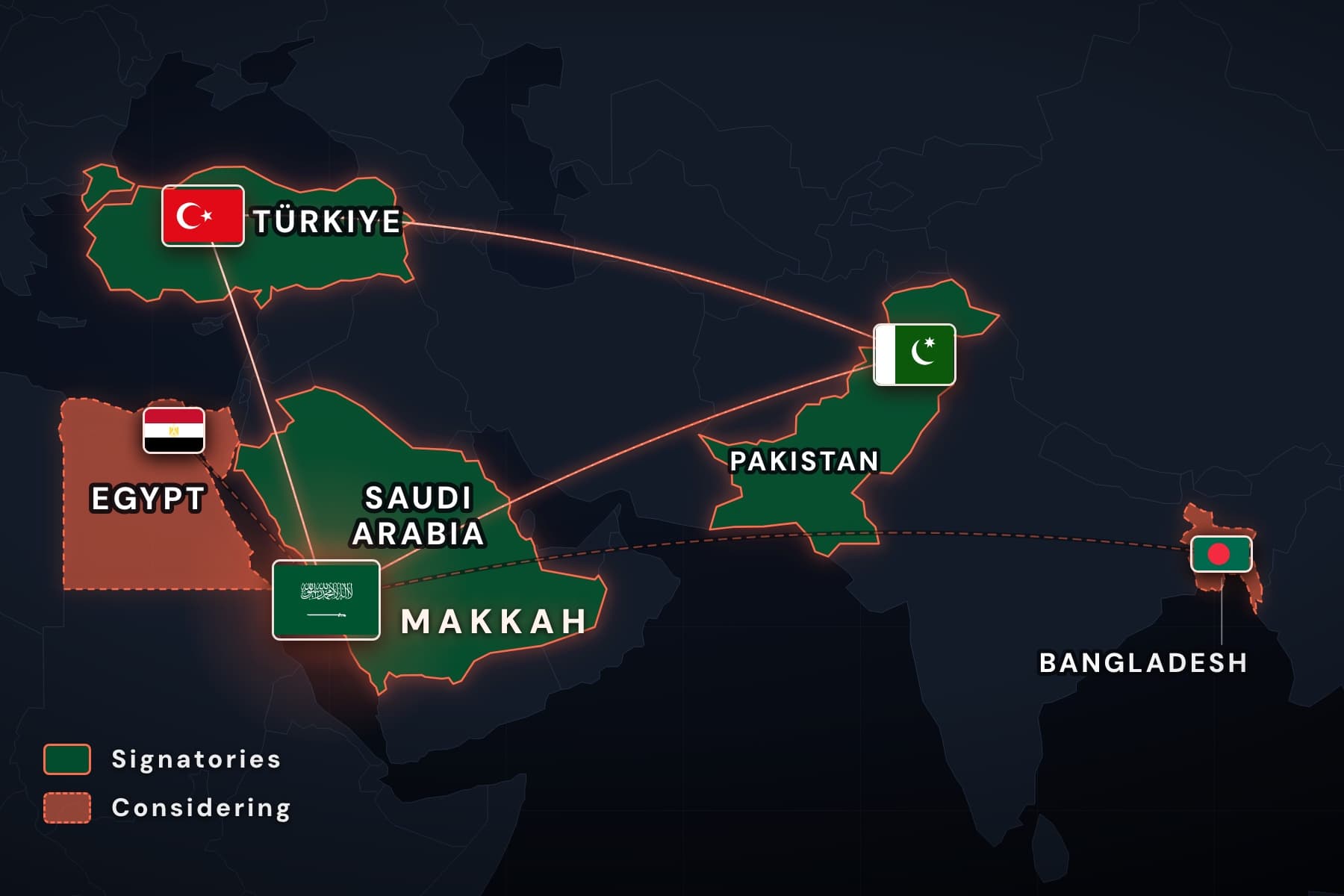
Is the Makkah Defence Agreement growing?
Dhaka and Cairo are touted as the latest players considering the pact.
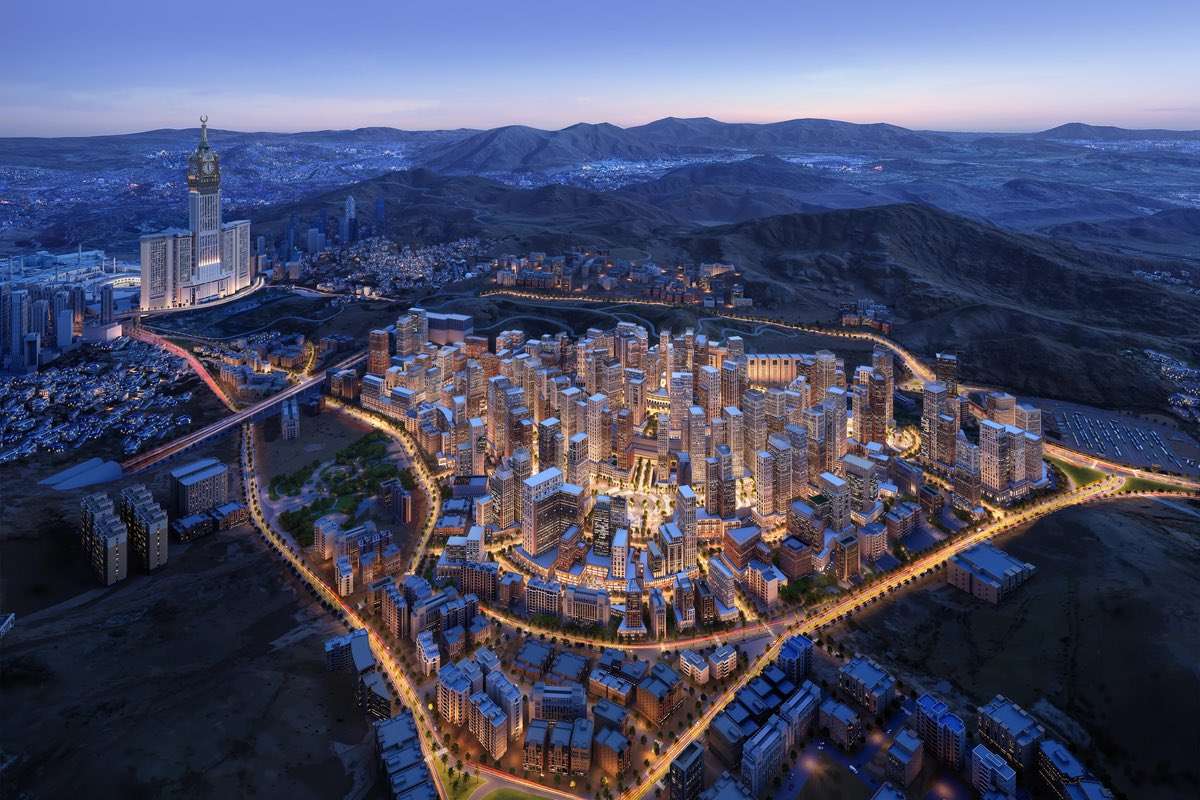
Makkah just announced a major real estate project
Mathaba is the latest addition to Makkah's growing real estate scene.
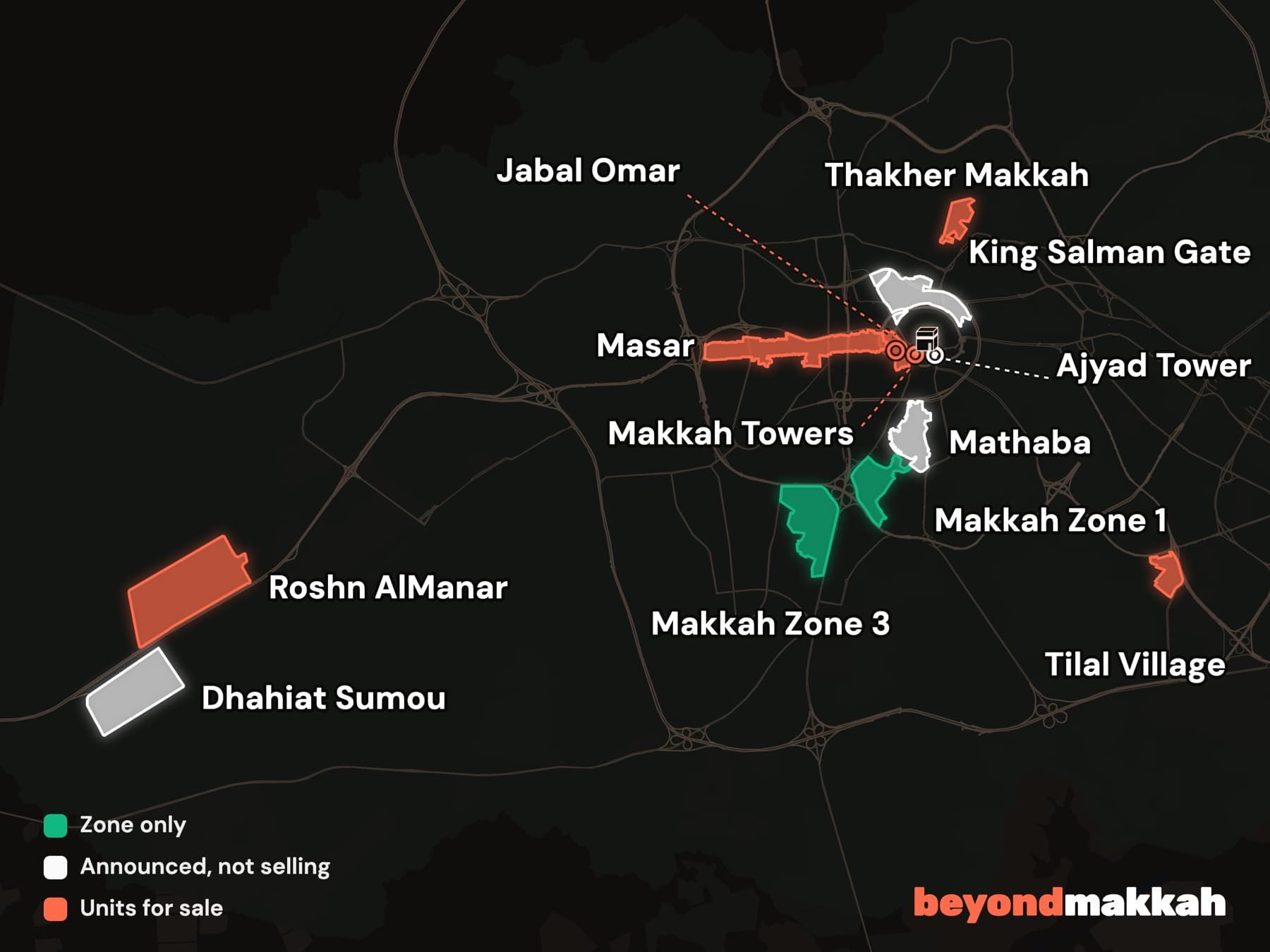
A breakdown of where foreigners can buy in Makkah
Everyone knows the foreign ownership zones, but not the projects actually for sale.
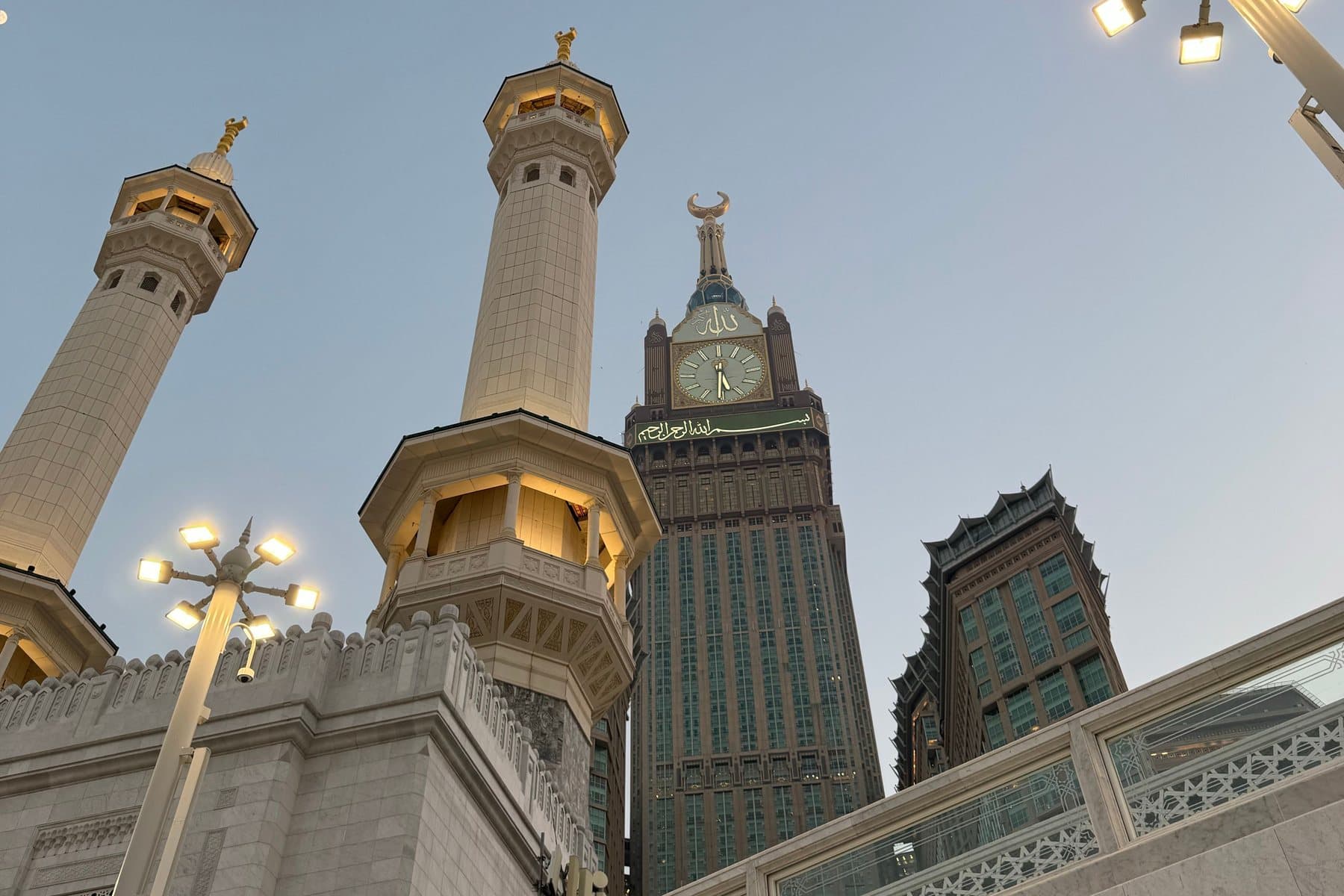
How much are you willing to pay for a hotel in Makkah?
The price ranges for every hotel in Makkah, simplified.
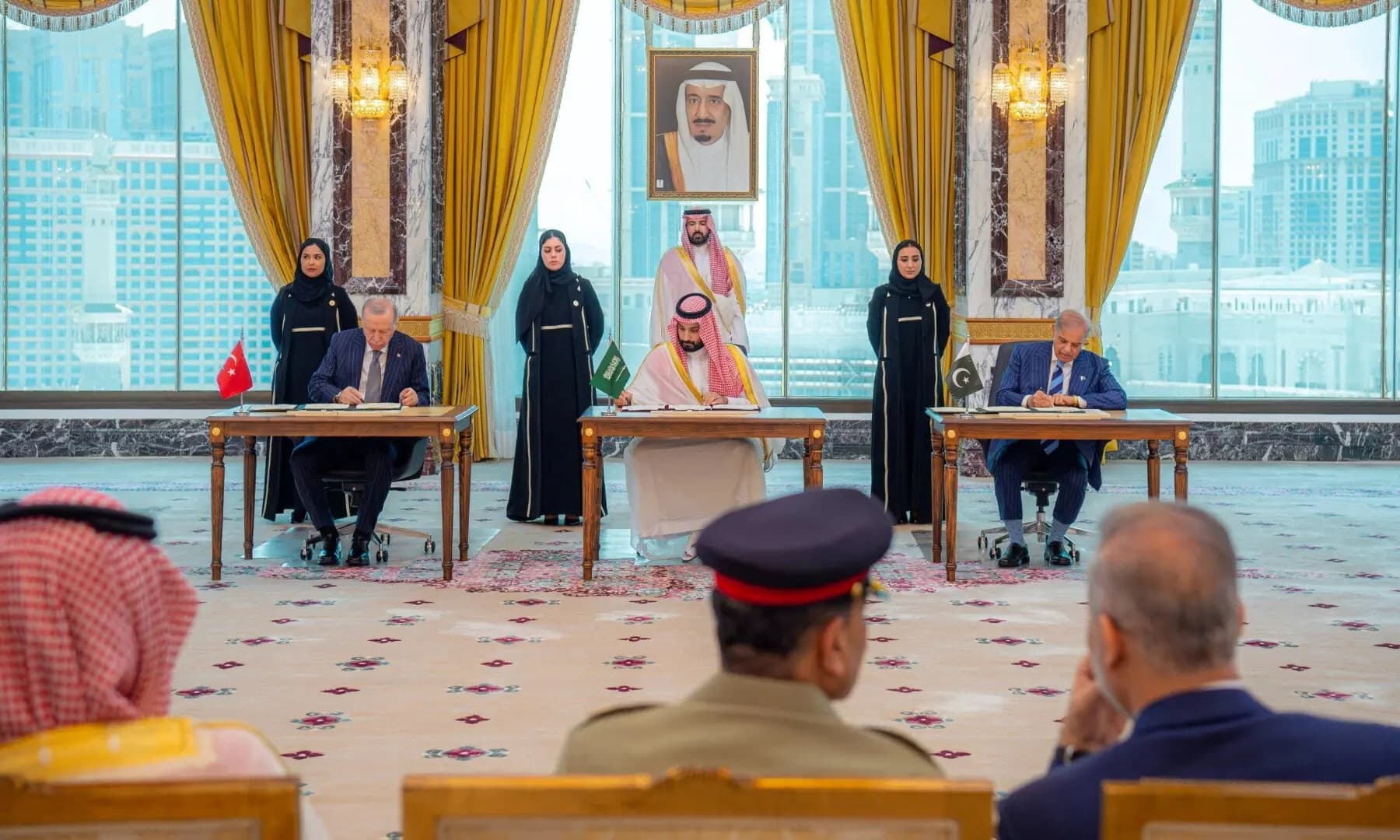
The new Makkah Joint Defence Agreement
Is this the beginning of a Muslim NATO?
Makkah Towers is getting a $100 million refit
The lowest rated of the 25 major brands near the Haram is renovating its rooms, as new hotels raise the bar.
Is the Makkah Defence Agreement growing?
Dhaka and Cairo are touted as the latest players considering the pact.
Makkah just announced a major real estate project
Mathaba is the latest addition to Makkah's growing real estate scene.
A breakdown of where foreigners can buy in Makkah
Everyone knows the foreign ownership zones, but not the projects actually for sale.
How much are you willing to pay for a hotel in Makkah?
The price ranges for every hotel in Makkah, simplified.
The new Makkah Joint Defence Agreement
Is this the beginning of a Muslim NATO?