Is the Makkah Defence Agreement growing?
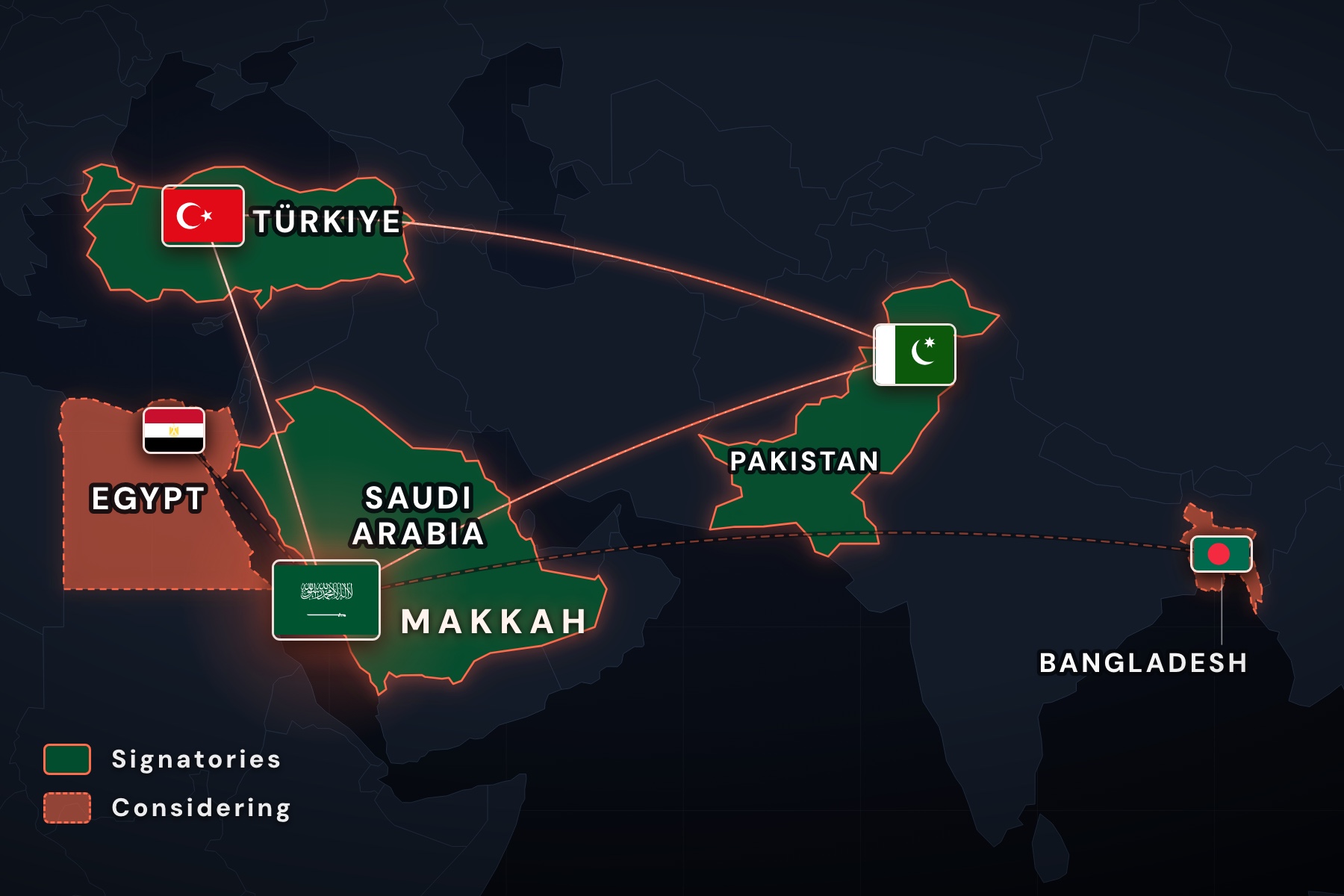
The Makkah Defence Agreement signed on 7 August created shockwaves across the geopolitical space globally.
A region that has been exposed to several crises in recent years is now beginning to formulate a defence mechanism of its own.
This began with the Strategic Mutual Defense Agreement between Pakistan and Saudi Arabia in September 2025. The latest pact extended the principle to Türkiye, namely an armed attack on one is considered an attack against all. Albeit, the Makkah agreement is a separate agreement in its own right.
Since the signing ceremony in Al-Safa Palace, Makkah, by President Erdogan, PM Sharif and Crown Prince Mohammed bin Salman, the discussion has quickly shifted to the future role of this pact.
The first question being discussed across the region's governments is the openness of the pact to new signatories.
Let's start with Egypt. Badr Abdelatty, Egypt's Foreign Minister, stated in recent weeks that Cairo was considering the pact "very seriously".
In Egypt's case, there is a trade-off to be evaluated in joining the pact. It faces security considerations on several different fronts, primarily its neighbours to the north and south.
The immediate benefits of joining are not clearly defined for Egypt, and hesitancy at this early stage is to be expected.
Not to mention, committing to the pact at this stage is more about sending a signal than committing to any military role, given that the details have not been clarified. As the binding requirements become clearer with time, and what they translate to in terms of implementation, Egypt's entry may be re-evaluated.
Beyond Cairo, Dhaka has also come into the discussion as a potential fourth entrant to the agreement.
Its Foreign Minister, Khalilur Rahman, highlighted that were the trilateral agreement to be extended to Bangladesh, such an invitation would be considered "positively". Whilst Rahman also stated that the "pros and cons of the pact" have not yet been assessed, early discussions are garnering interest.
Bangladesh has not exposed itself to international wars since its independence, unlike the existing signatories. Therefore, it will be a question of whether it deems the benefits of joining to justify the potential risk of being embroiled in military conflict beyond its borders.
Not to mention, Dhaka will be considering its relationship with New Delhi.
No doubt, the Makkah Defence Agreement will have raised eyebrows in India, given the strengthened resolve of Pakistan on the global stage.
Joining such pacts becomes a delicate balancing act of relationships, and of assessing which partners provide increased economic, military and geopolitical benefits.
The Makkah Defence Agreement has opened the door to new alliances being defined. In doing so, it becomes a test of old alliances.
Today, it is Dhaka and Cairo being discussed. There remain several players across the Gulf, Asia and Africa that came together in the Multinational Maritime Defense Alliance in July that could also become future entrants to the Makkah pact.
Stay alert with the latest Makkah news
Join our community of 800+
More news
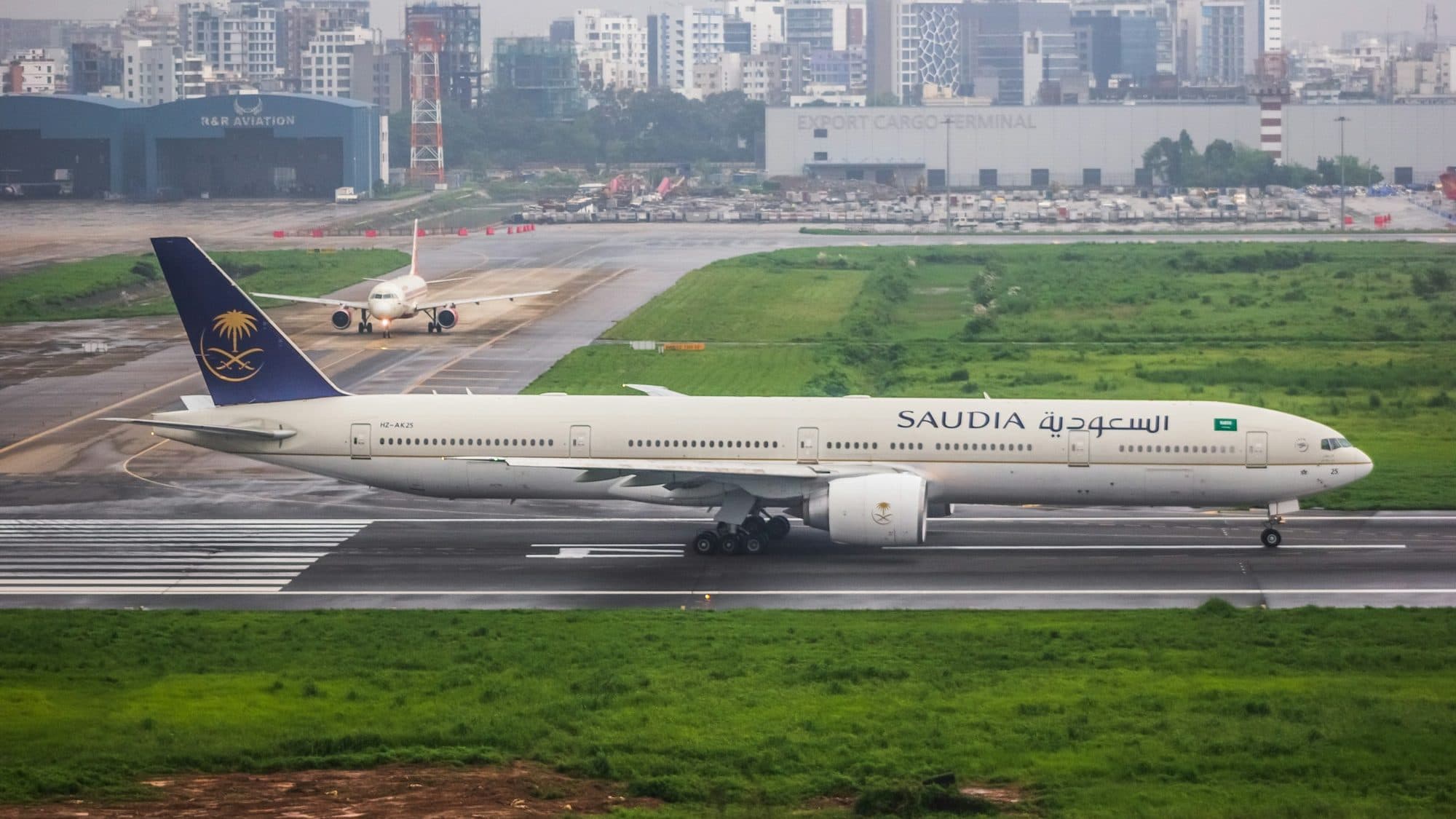
Jeddah Airport Flight Status: What's Operating and What's Cancelled
Airline by airline, for anyone flying to or from Jeddah. Checked against airline announcements, and updated as schedules change.
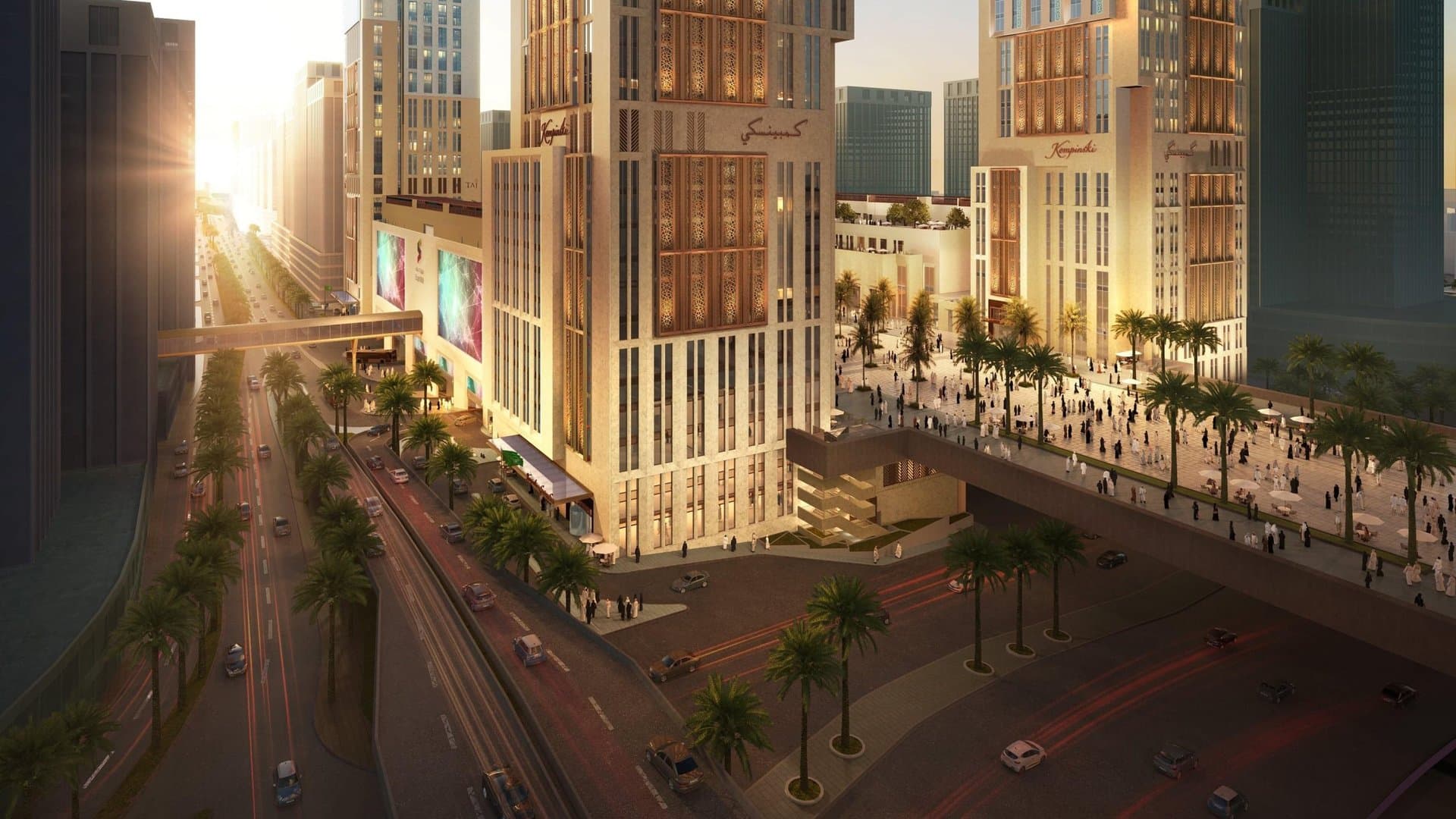
What is Masar land actually worth? The price of proximity in Makkah
Masar reports land at the Haram-facing end at more than three times the price of land near the rail station; the transaction data shows a more complicated picture.
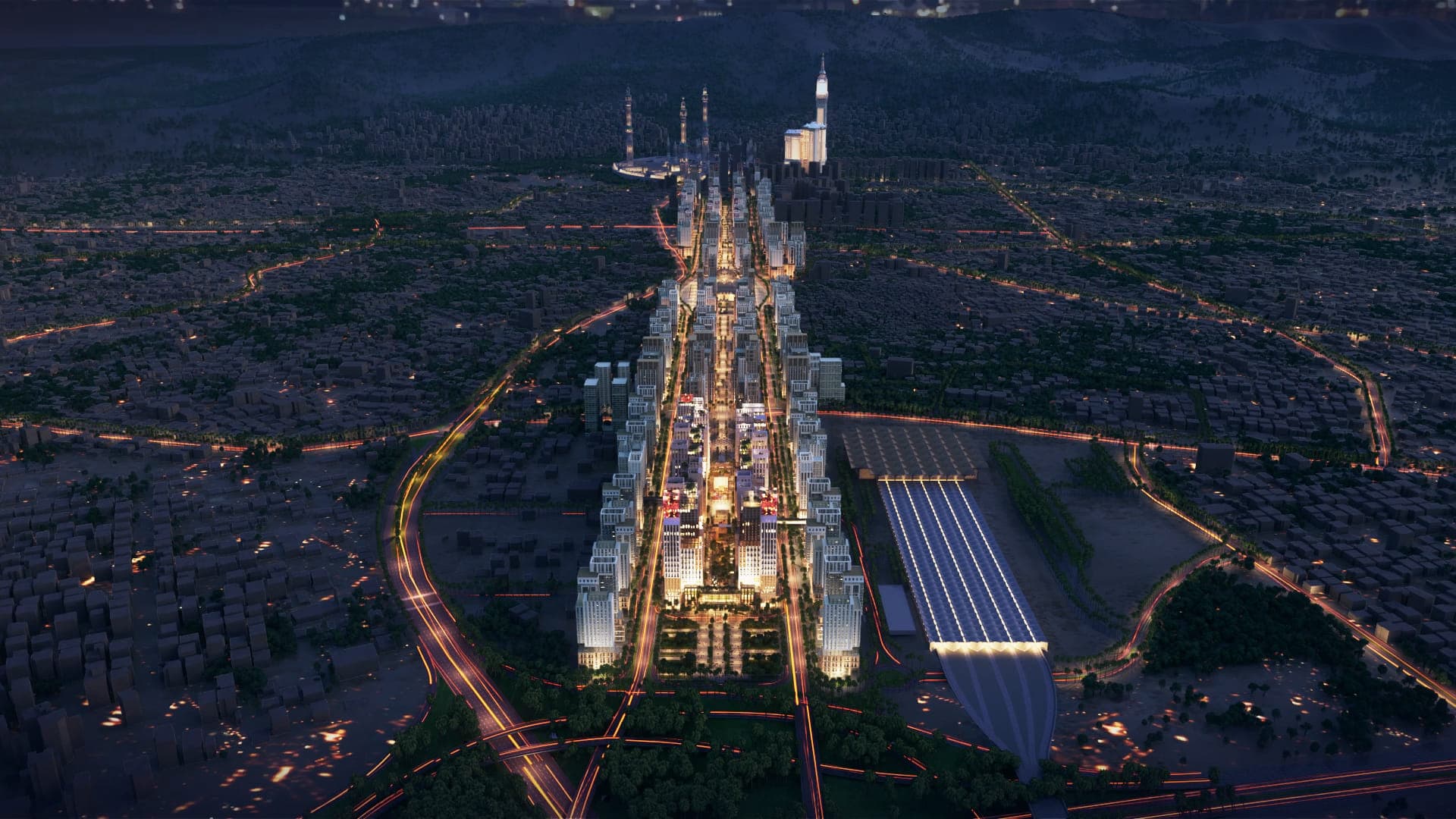
Who is building the new Makkah? Inside the developers shaping Masar
Masar is often described as one project. In reality, it is a 203-plot district being assembled by hotel groups, residential developers and investment funds.
Jeddah Airport Flight Status: What's Operating and What's Cancelled
Airline by airline, for anyone flying to or from Jeddah. Checked against airline announcements, and updated as schedules change.
What is Masar land actually worth? The price of proximity in Makkah
Masar reports land at the Haram-facing end at more than three times the price of land near the rail station; the transaction data shows a more complicated picture.
Who is building the new Makkah? Inside the developers shaping Masar
Masar is often described as one project. In reality, it is a 203-plot district being assembled by hotel groups, residential developers and investment funds.
See more
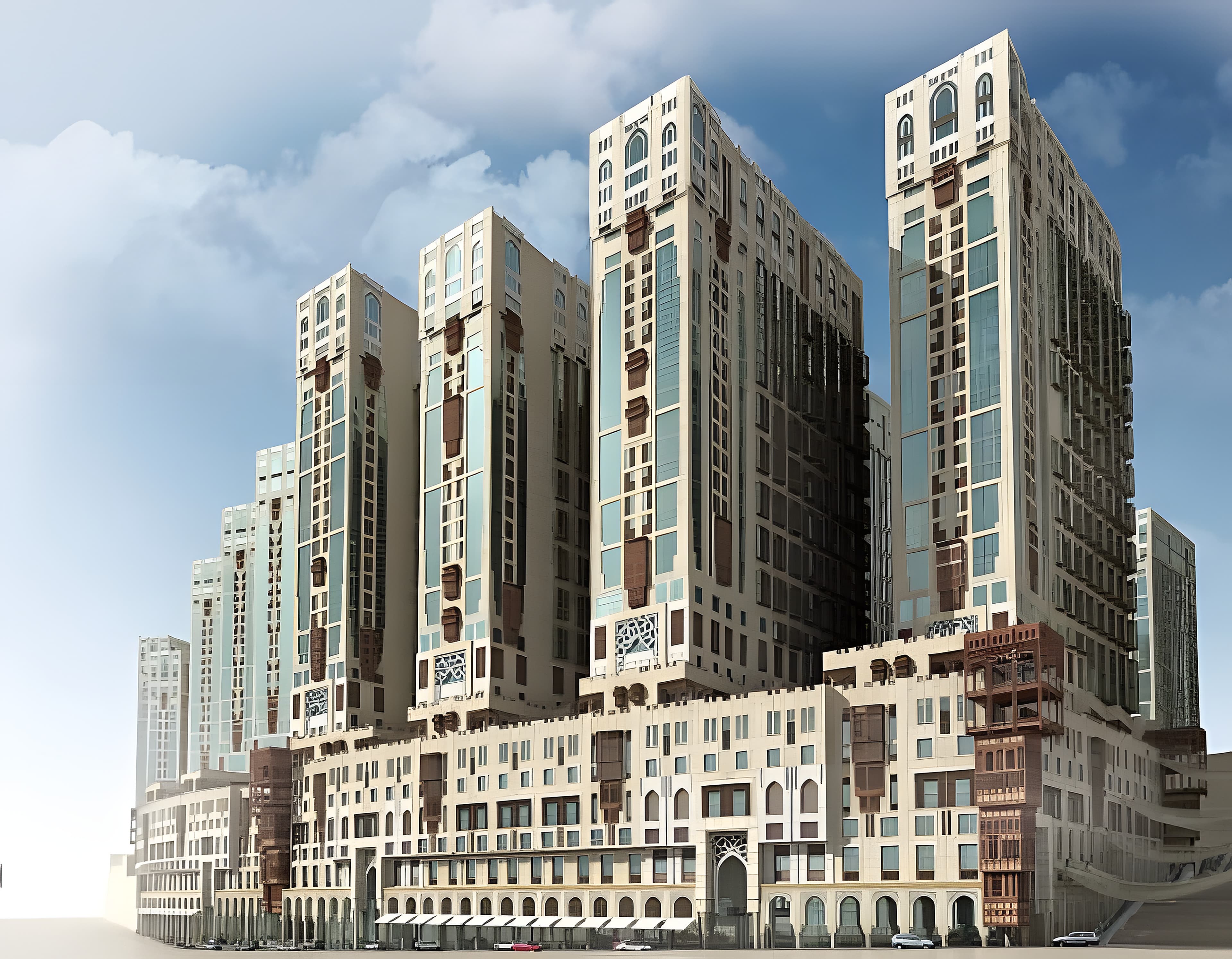
Accor to launch 5 new hotels across Makkah and Madinah
Five hotels and 4,885 keys, from Sofitel Jabal Omar this year to Novotel in 2030.
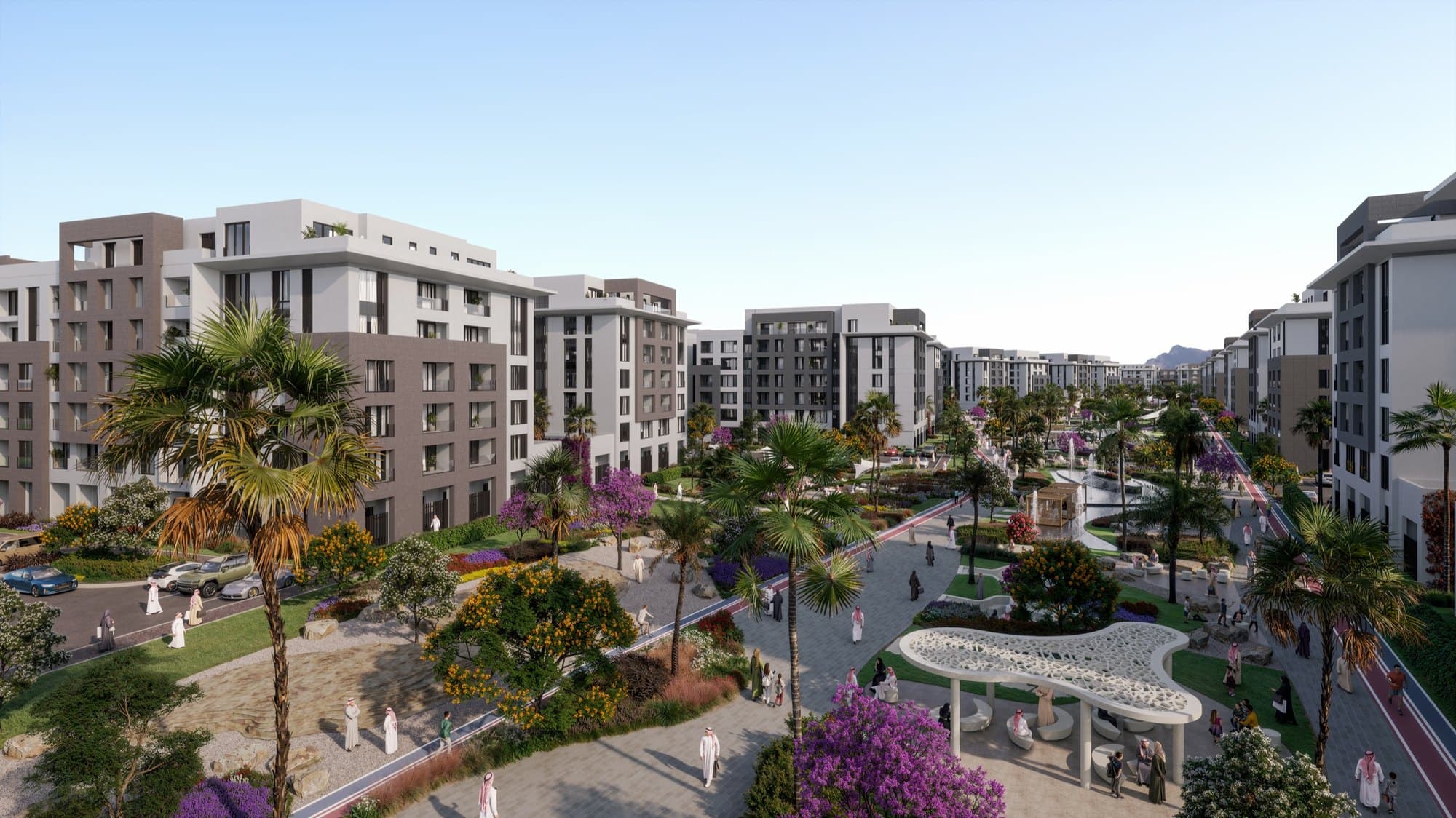
A new residential community in Madinah
Off-plan apartments from £370,000 beside the Haramain station, with a 5% down payment and freehold title.
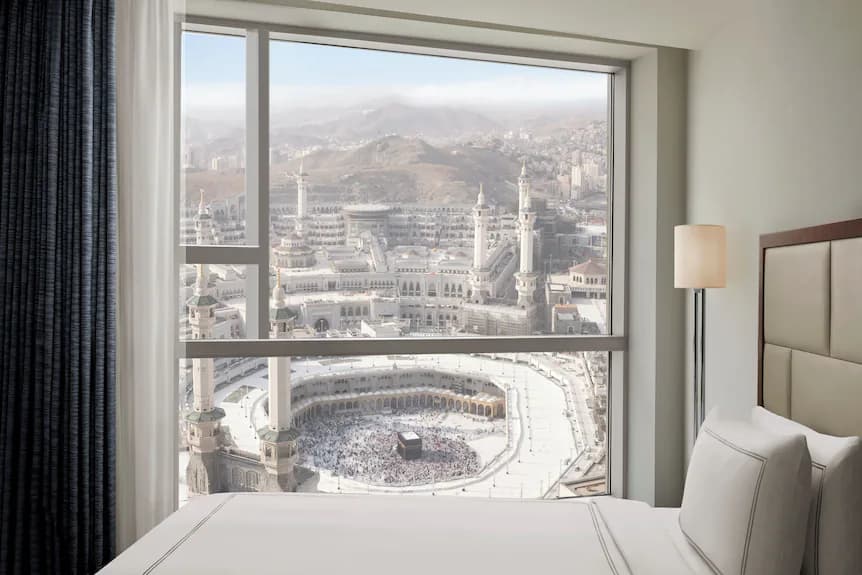
Your guide to finding a Haram-facing hotel room
23 hotels offer Haram-facing rooms, 11 see the whole Haram and 12 sell Kaaba view rooms. Here is the full list.
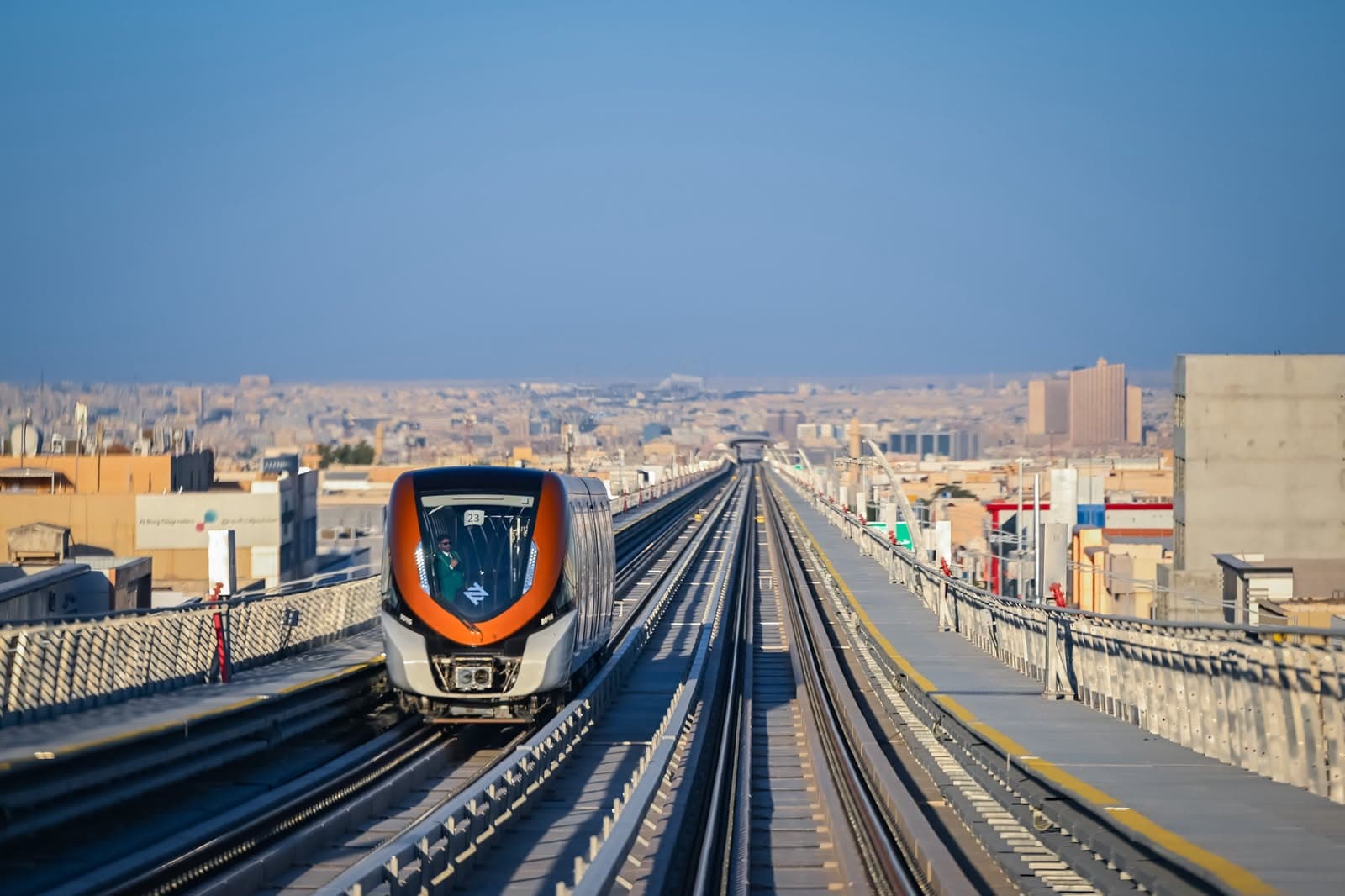
Makkah metro is moving forward
Four lines, 183 km and 89 stations, phased in from 2032. The design deadline is October.
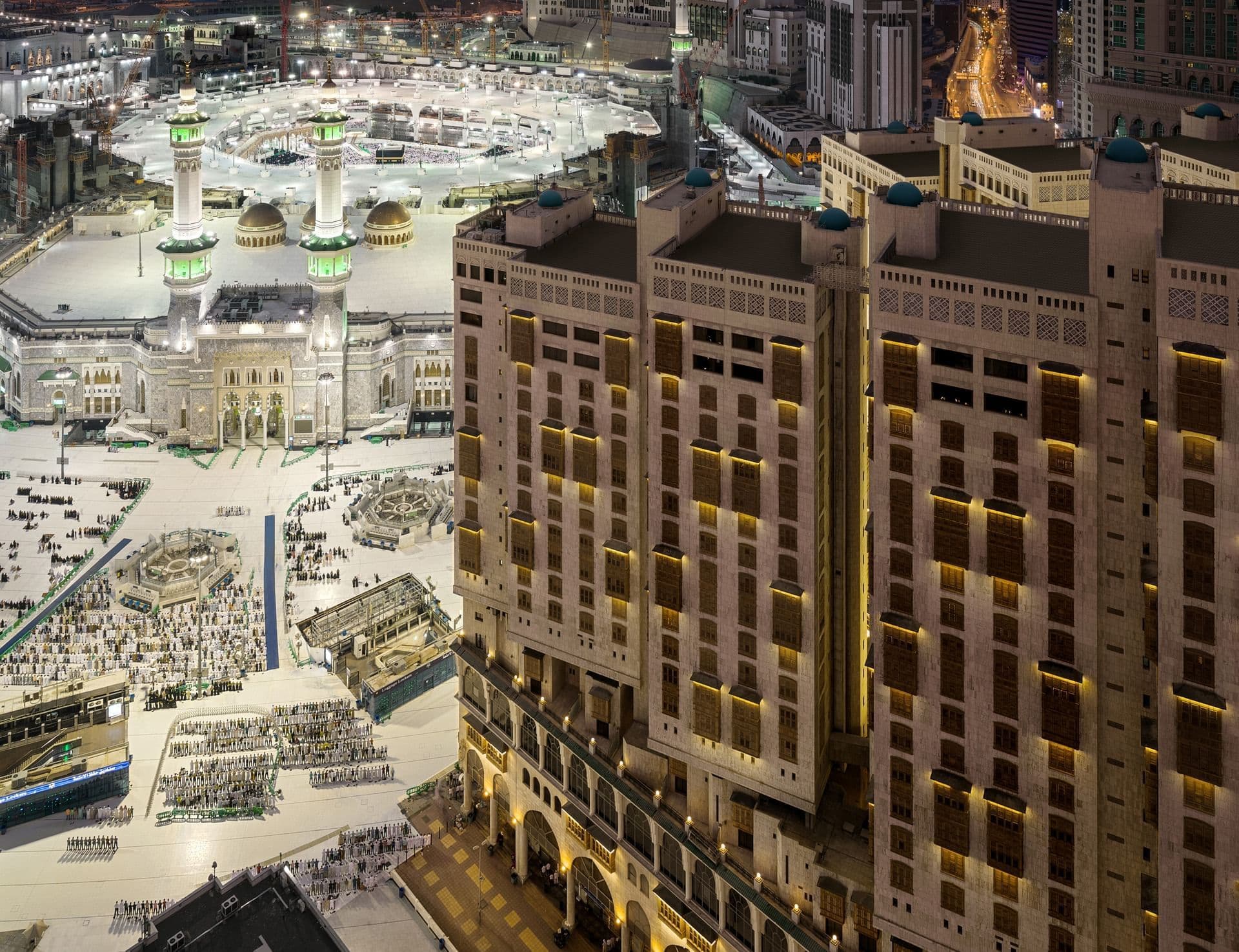
Makkah Towers is getting a $100 million refit
The lowest rated of the 25 major brands near the Haram is renovating its rooms, as new hotels raise the bar.
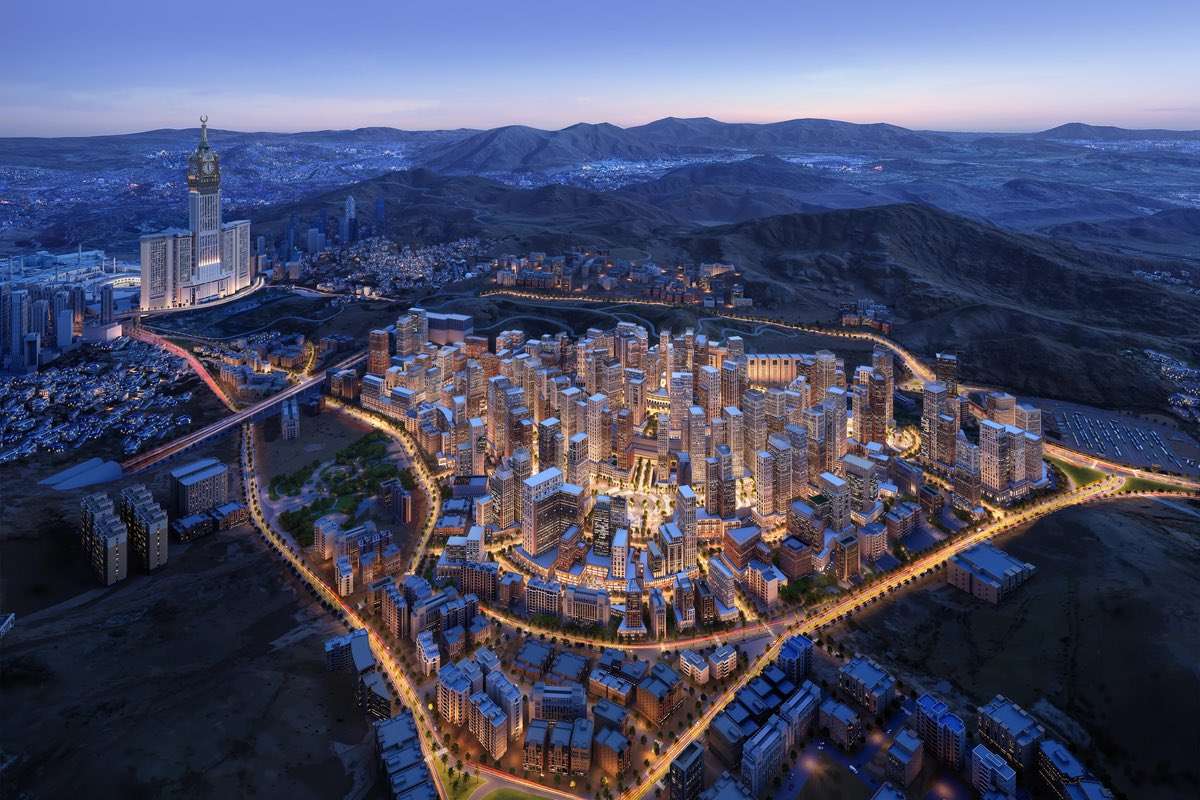
Makkah just announced a major real estate project
Mathaba is the latest addition to Makkah's growing real estate scene.
Accor to launch 5 new hotels across Makkah and Madinah
Five hotels and 4,885 keys, from Sofitel Jabal Omar this year to Novotel in 2030.
A new residential community in Madinah
Off-plan apartments from £370,000 beside the Haramain station, with a 5% down payment and freehold title.
Your guide to finding a Haram-facing hotel room
23 hotels offer Haram-facing rooms, 11 see the whole Haram and 12 sell Kaaba view rooms. Here is the full list.
Makkah metro is moving forward
Four lines, 183 km and 89 stations, phased in from 2032. The design deadline is October.
Makkah Towers is getting a $100 million refit
The lowest rated of the 25 major brands near the Haram is renovating its rooms, as new hotels raise the bar.
Makkah just announced a major real estate project
Mathaba is the latest addition to Makkah's growing real estate scene.