3 Things Pilgrims Miss Out on in Makkah
Three experiences most visitors never get to — each one different, all of them unforgettable.
Published 11 March 2026
Most people come to Makkah for Umrah, and rightly so — the Haram is the centre of everything. But if you have a few spare days (and you probably should build them in), there are experiences outside the mosque that will change how you understand this city. Not tourist attractions. Places where the history you've read about since childhood becomes physical and real.
Each completely different from the last.
1. Hira Cultural District
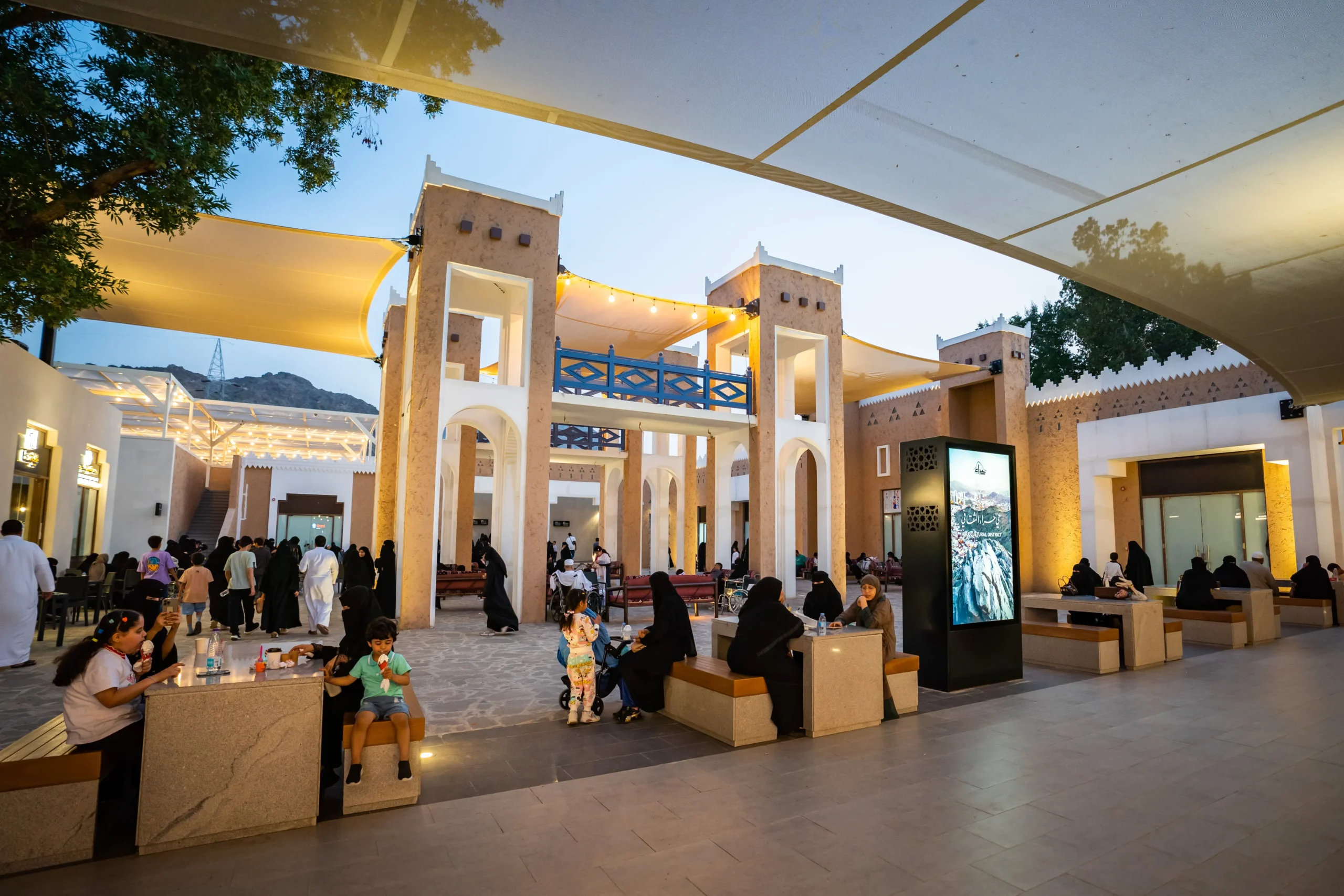
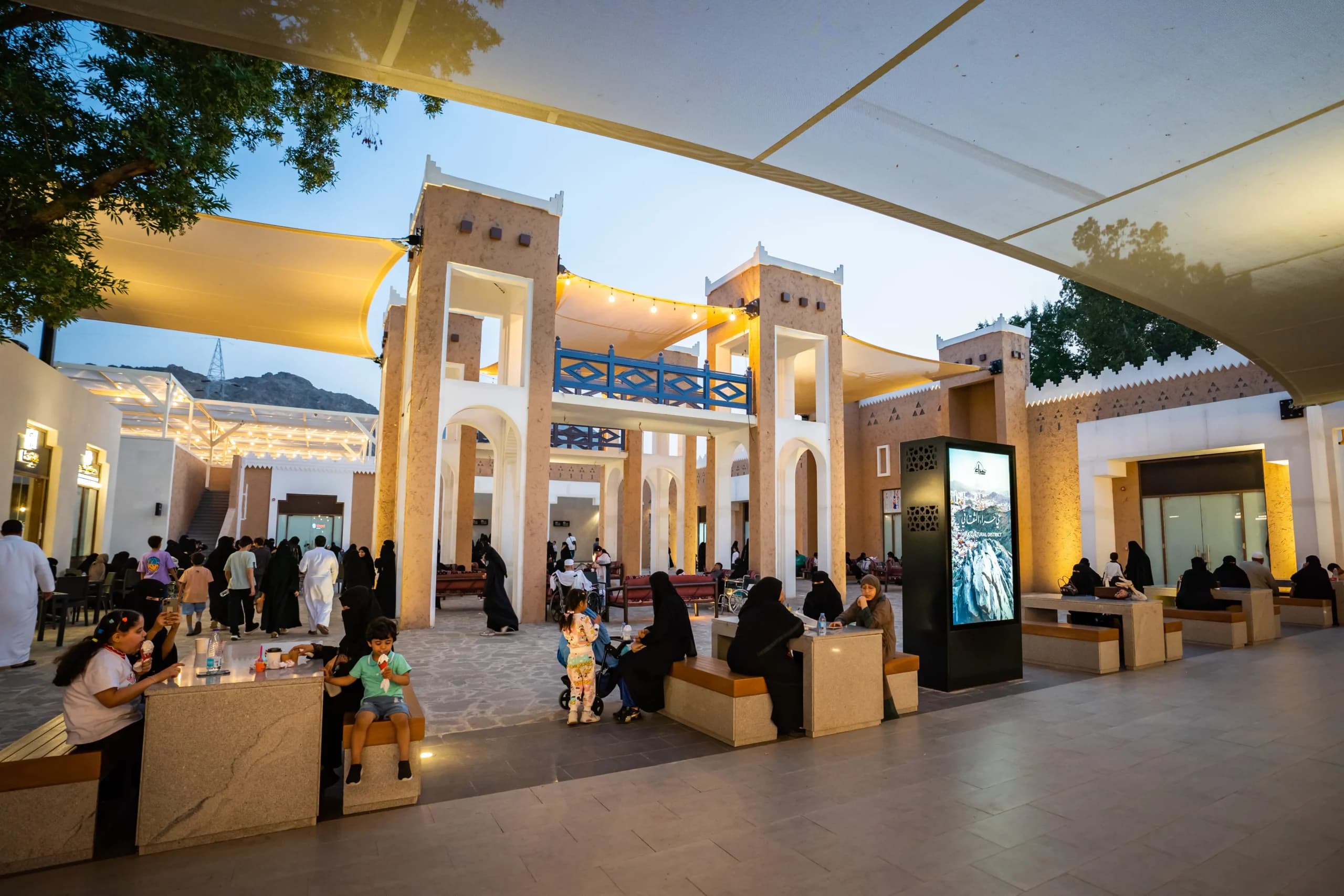
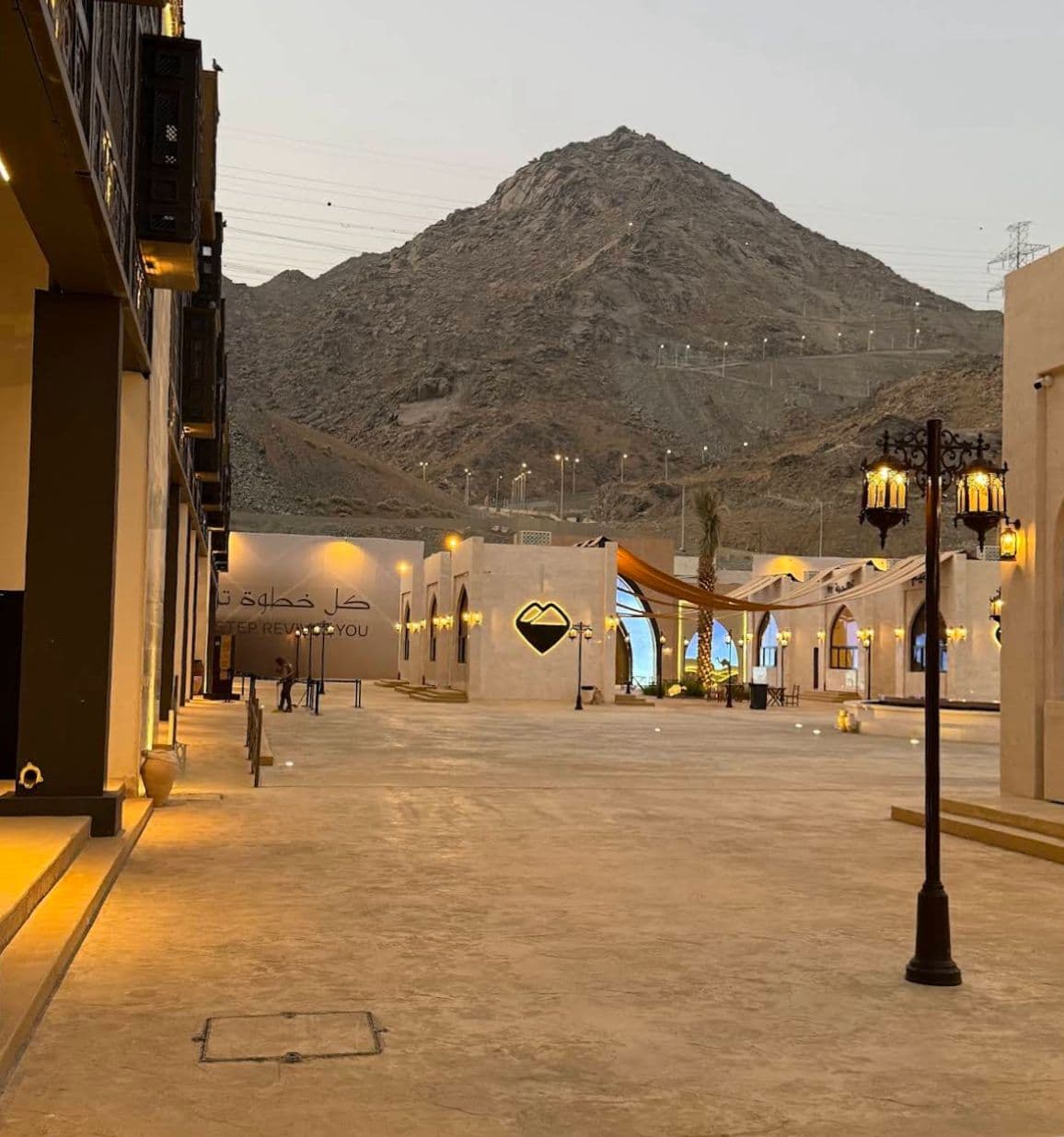
Start gentle. Before this development existed, visiting the base of Jabal al-Nour meant standing in a dusty parking lot surrounded by souvenir stalls, squinting up at a mountain with no context and no facilities. The Hira Cultural District changed that completely — it's a modern complex at the mountain's base with exhibitions, museums, landscaped paths, and actual infrastructure.
The Revelation Exhibition is the centrepiece. It's an immersive walk-through that takes about 45 minutes, covering the history and context of the first revelation. Everything is in Arabic and English. Standing in an air-conditioned gallery at the base of the mountain where Jibreel first spoke to the Prophet ﷺ, reading the opening words of Surah Al-Alaq on the wall in front of you — I wasn't prepared for how that would feel. The multimedia presentations are well-produced without being overdone.
The Museum of the Holy Quran houses rare manuscripts and covers the history of Quranic preservation and calligraphy. There's a replica of the Cave of Hira for those who can't make the climb, Qurans written on age-old bones, threaded on cloth, inscribed on wooden tablets and palm leaves, and the biggest Quran in the world. Worth at least thirty minutes if you have any interest in Islamic art or history. Practical details: entry to the district grounds is free. The exhibitions are 30 SAR per person (25 for groups). Children under 7 enter for free. The whole place is fully accessible — strollers, wheelchairs, no problem. There are wudu facilities and prayer areas on-site. Cafés and shops if you need a break. A 10-15 minute taxi from the Haram.
You don't need to climb the mountain to the Cave of Hira (though you can — it's steep and takes about 90 minutes). The district itself is worth a half-day. Go on a weekday morning or evening if you can; weekends and holidays get crowded. Budget 3-4 hours.
2. Mount Arafat
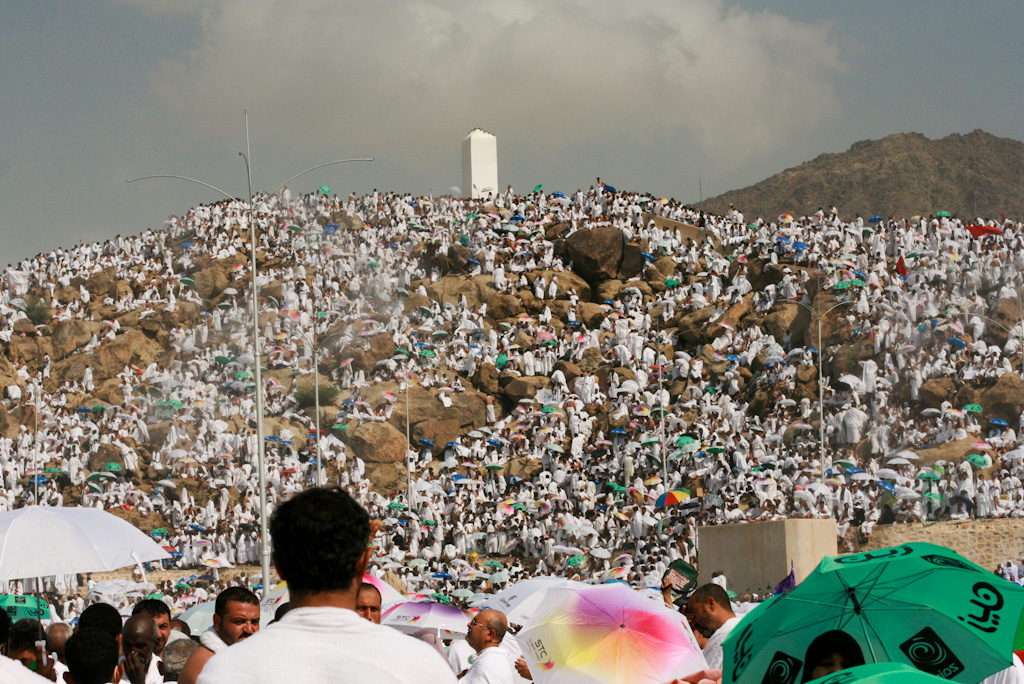
This requires planning, but it's worth the logistics. Arafat is about 20 km southeast of the Haram — a 20-minute drive outside of Hajj season, though during Ramadan and other busy periods the road can be slower. A taxi or Uber will run you around 100-150 SAR for the round trip. There's no public transport to Arafat outside of Hajj season, so arrange your ride in advance and keep your driver's number — you won't easily hail another car out there.
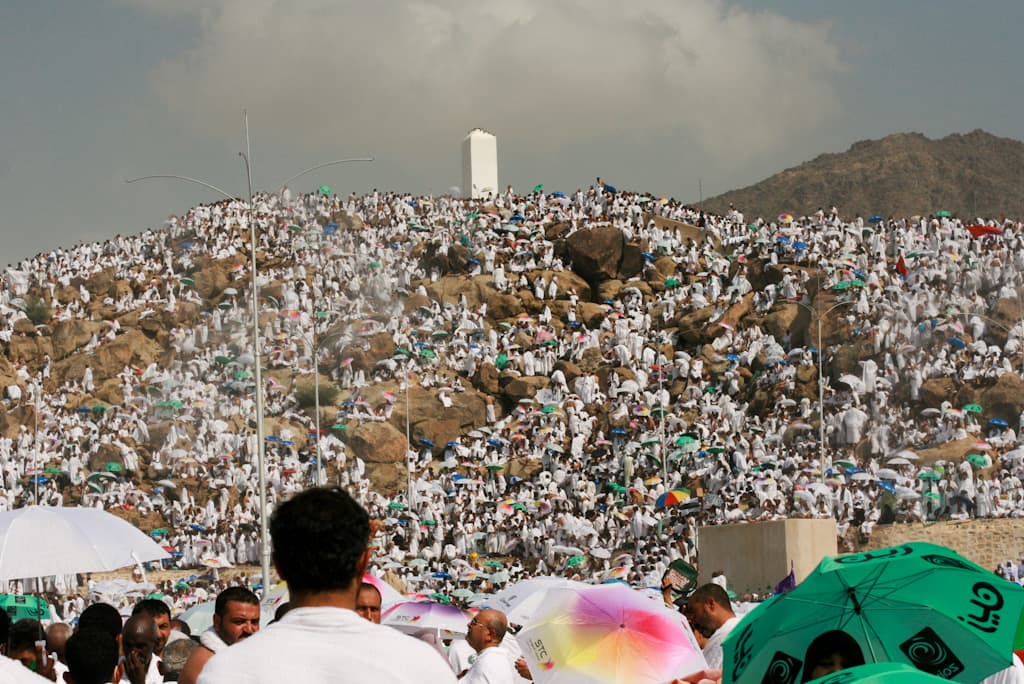
Jabal Rahma — the Mount of Mercy — is the small granite hill where the Prophet ﷺ delivered his Farewell Sermon to over 100,000 companions. Paved steps take you to the top in about ten minutes. A white pillar marks the summit. The plain of Arafat stretches in every direction around you, and on a quiet day outside of Hajj, it's nearly empty. The scale of it is hard to comprehend until you're standing there — this vast expanse that fills with millions of people on one single day each year, and right now it's just you and the wind and the sound of your own thoughts.
Be prepared: there are minimal facilities. Bring at least a litre of water, sun protection, and a hat. There's not much shade. Masjid Namirah is visible from the plain, but it may be closed outside of Hajj season — don't count on being able to enter. If you have the time, ask your driver to take you through Muzdalifah and past Mina on the way back. Seeing the full Hajj geography — Arafat, Muzdalifah, Mina — in sequence gives you a spatial understanding of the pilgrimage that no book or documentary can match. The whole visit takes about 2-3 hours including travel.
3. Jabal Thawr Cultural District
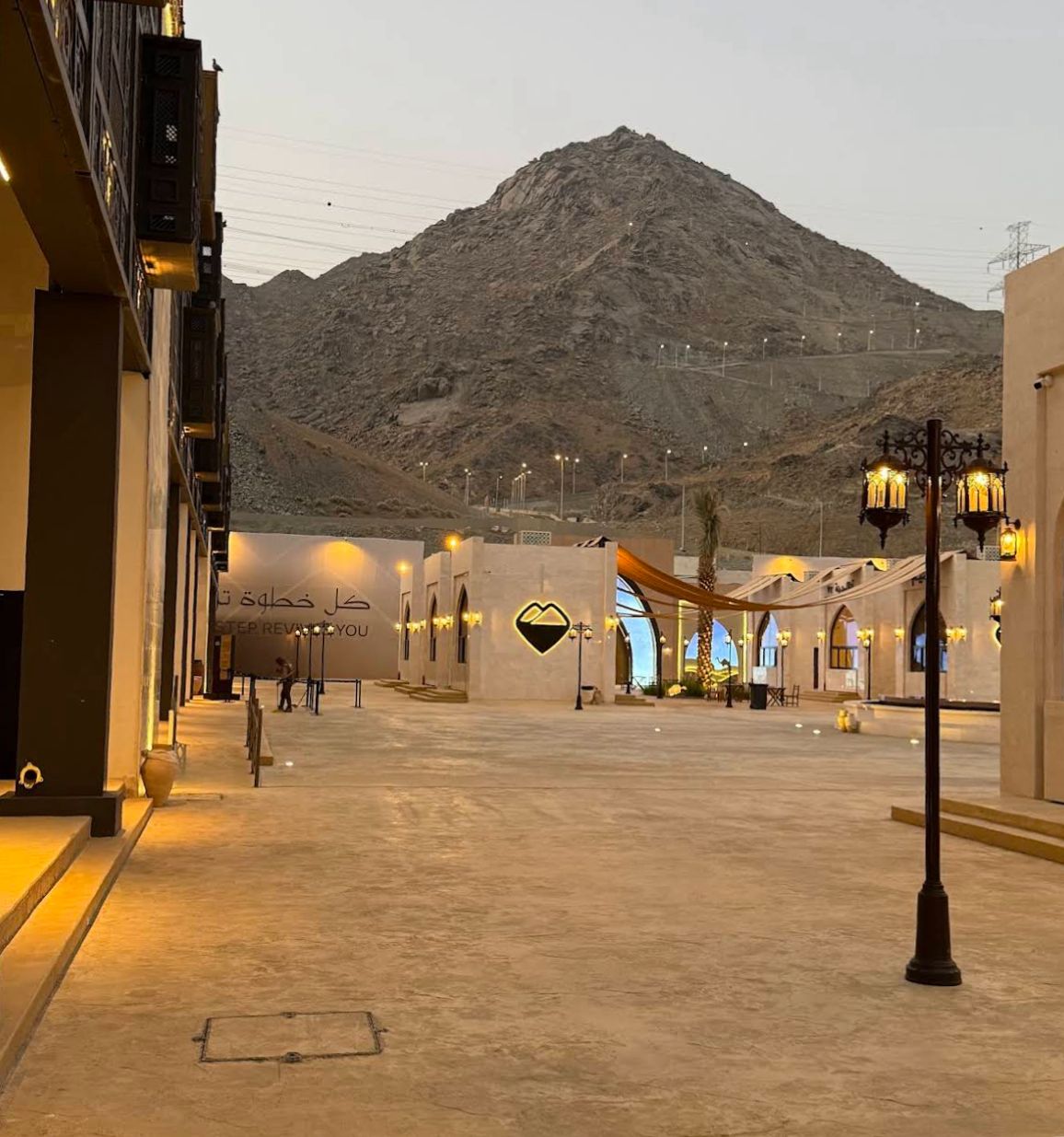
This one is brand new. Until recently, Jabal Thawr was just a mountain with a trailhead — no context, no facilities, no reason to visit unless you were already planning to climb. Now there's a proper cultural district at its base, and it's worth a visit even if you never set foot on the trail.
The centrepiece is a historic market — individual stalls where artisans showcase traditional goods like leather work, water storage canisters, perfumes, and swords. It's hands-on rather than behind glass. You're handling the same types of objects that would have been traded in this region centuries ago. For families, it's the kind of place where kids actually engage because they can touch things.
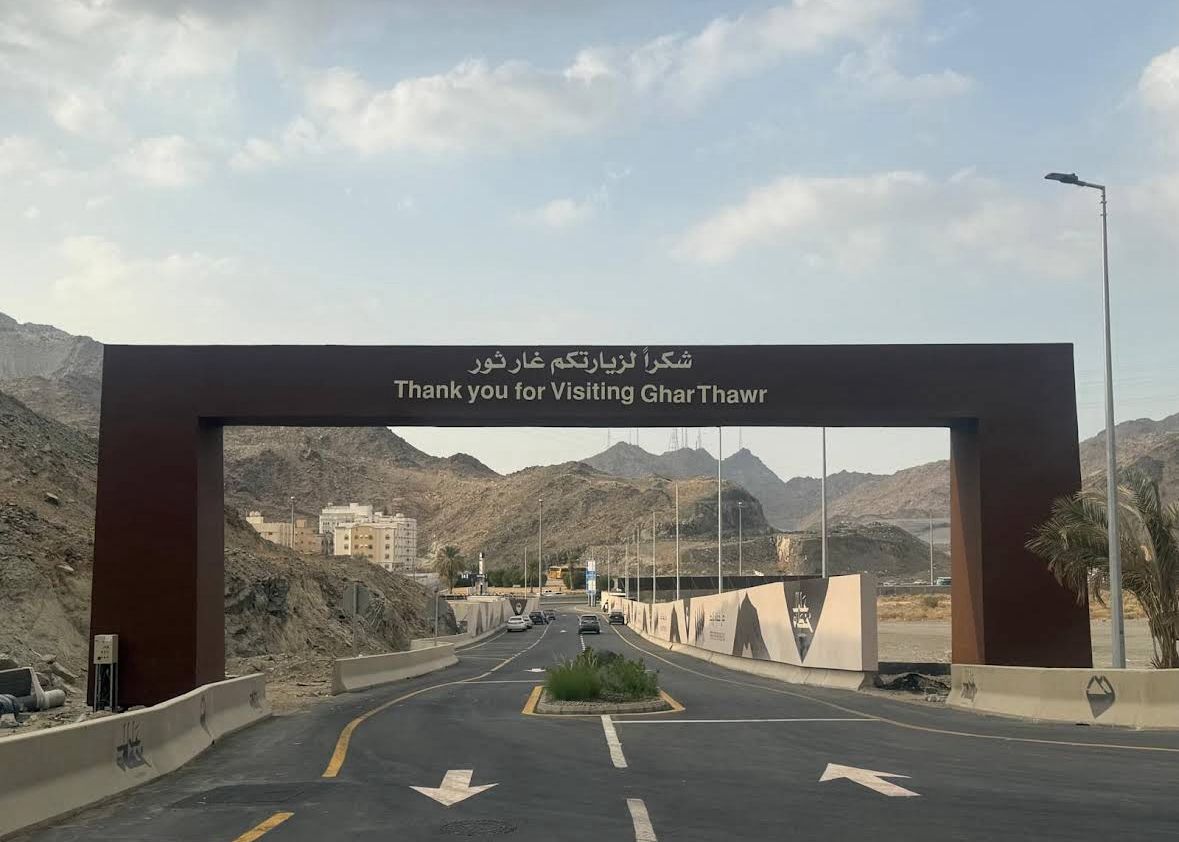
Beyond the market, there are landscaped gardens, seating areas, and proper visitor facilities — a stark contrast to the bare, unmarked site it used to be. And if you do want to climb to Ghar Thawr (the Cave of Thawr, where the Prophet ﷺ and Abu Bakr (RA) hid during the Hijrah), the trailhead starts right here.
Getting there: About 8 km south of the Haram. A taxi costs 25-40 SAR. Ask for "Jabal Thawr Cultural District" or simply "Jabal Thawr." Ride-hailing apps work well for the return.
How long: Budget 1-2 hours for the district itself. If you're combining it with the hike to Ghar Thawr, arrive early morning while it's cool and allow an additional 2-3 hours for the climb.
The honest take: This district is still finding its feet — it opened recently and feels like it will grow over time. But even now, the combination of the market, the gardens, and the proximity to one of the most significant mountains in Islamic history makes it worth the short taxi ride. It's free, it's accessible, and it gives you something no hotel lobby or shopping mall can — a physical connection to the Hijrah.
Get the latest Makkah Hotel Price Index
We track nightly hotel prices across the year. Drop your email and we'll send you the latest price guide - free, and updated regularly.
Get the free price guideMore from Featured
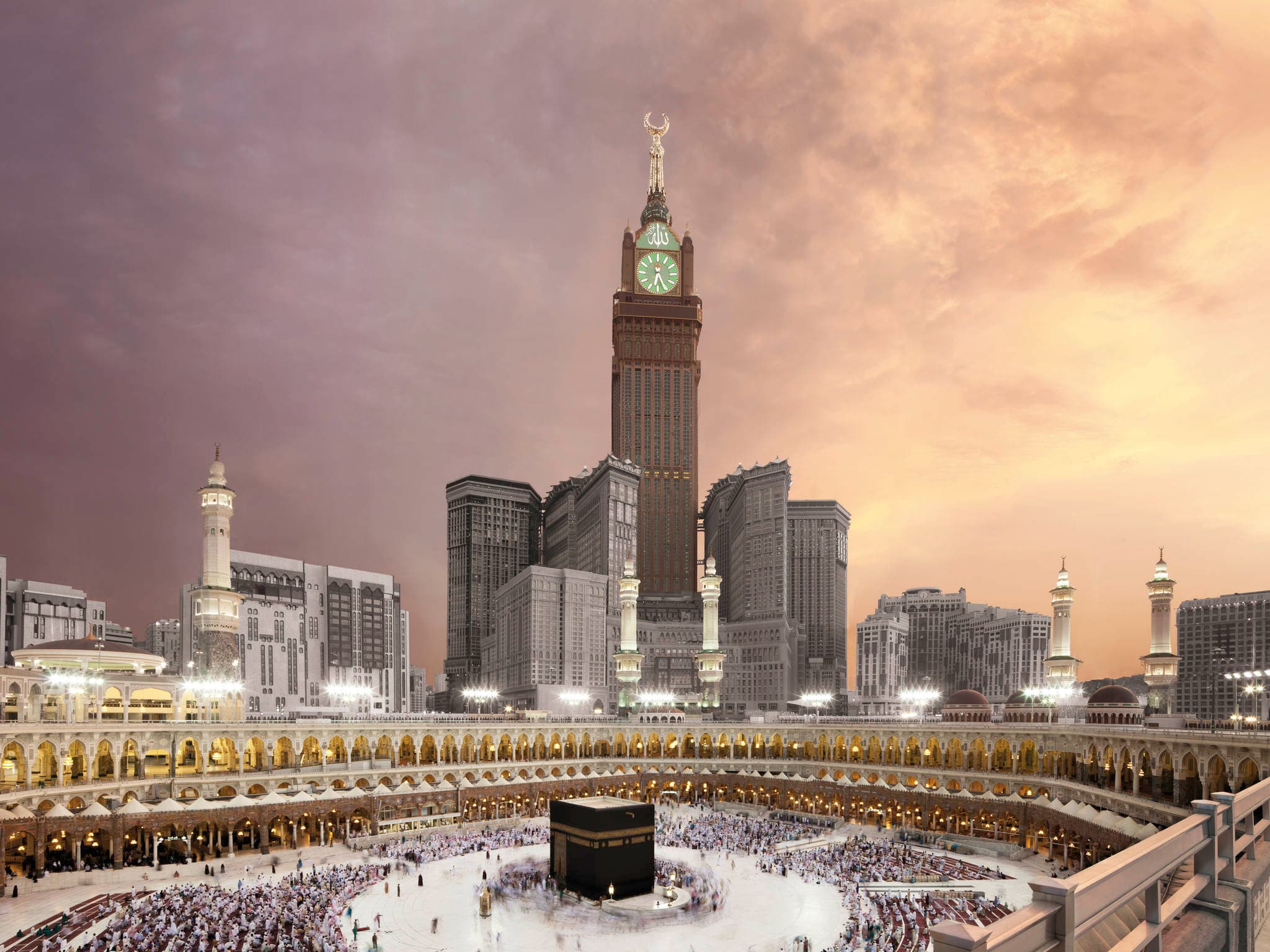
Make sure your Makkah stay is at one of these 20 hotels
Our twenty highest-rated stays - the honest brief on each, and how far you'll actually walk to the Haram.
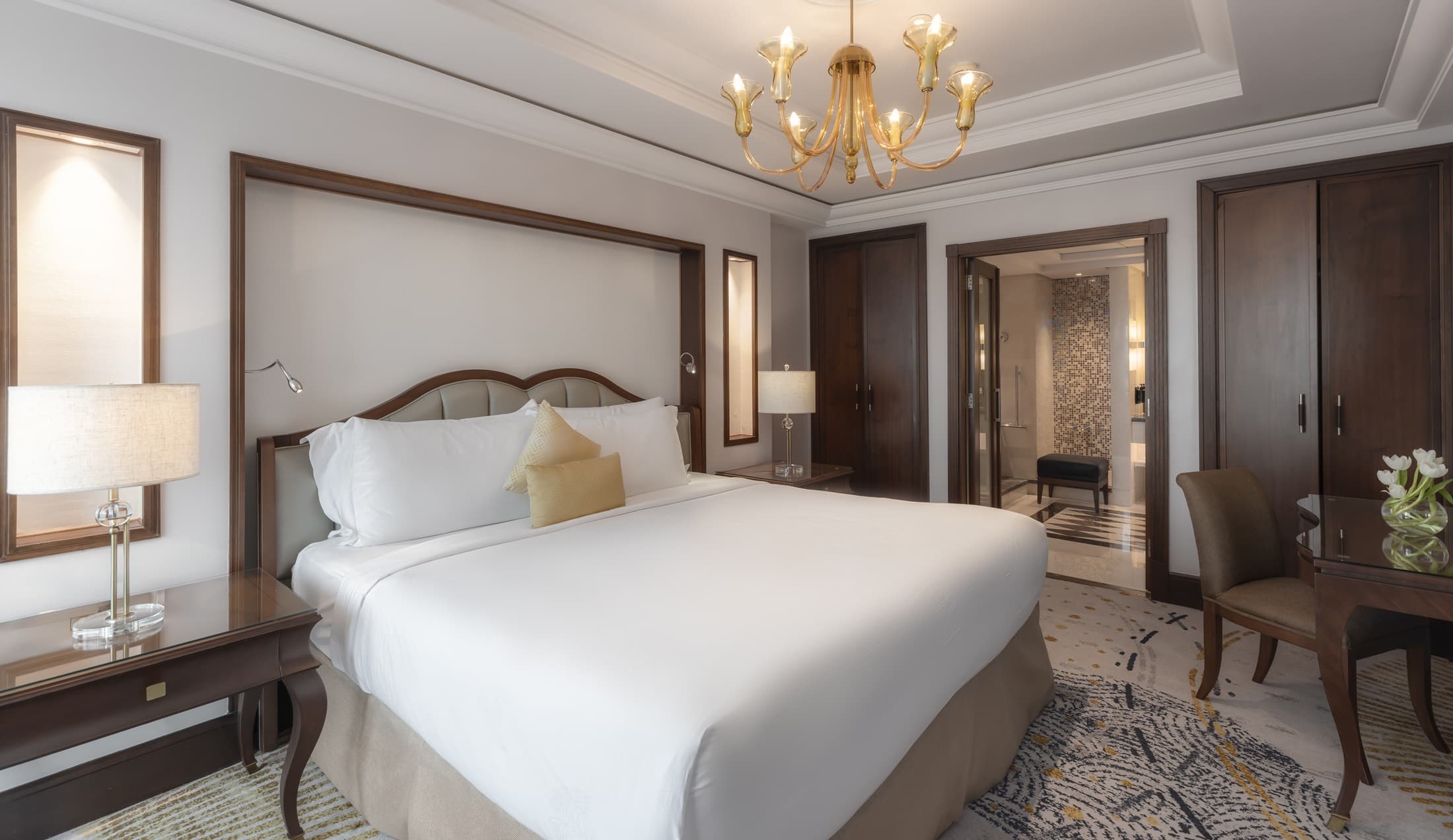
Budget vs Luxury: How much Umrah costs
We priced the same trip two ways - shoestring and splurge. The gap is real, but almost all of it is one line item.
Makkah's 10 best food spots
Where to eat after Tahajjud, between prayers, or when you actually want a real meal - sorted by what you're hungry for.