Hira Cultural District
A modern cultural complex at the foot of Mount Hira — where revelation meets exhibition
Published 15 March 2025
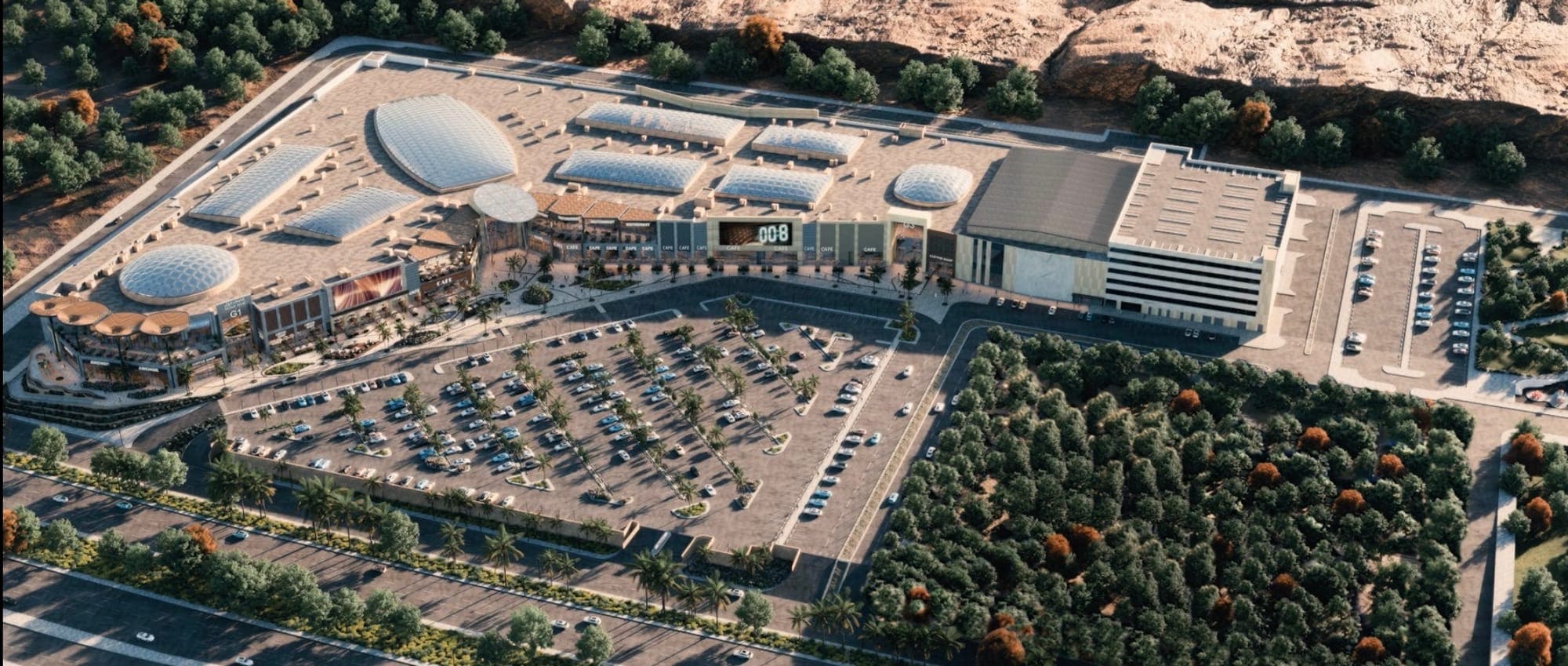
The Cave of Hira is where the Quran began — but until recently, there was nothing at the base of the mountain to help visitors understand what happened there. The Hira Cultural District changes that. Built at the foot of Jabal Noor, it is a thoughtfully designed complex that tells the story of the first revelation through exhibitions, artefacts, and carefully curated spaces. You do not need to climb the mountain to benefit from this place, though the path to the cave starts here if you want to.
Most visitors to Jabal Noor go straight for the hike, and many leave without fully understanding the significance of what they have just seen. The Hira Cultural District provides that context — and it does so with a level of care and quality that is genuinely impressive.
The Revelation Exhibition walks you through the events leading up to the first revelation — the Prophet's ﷺ habit of seclusion, the night Jibreel appeared, the first words of Surah Al-Alaq. It is presented with a combination of text, visual design, and multimedia that makes the history feel immediate rather than distant.
The Museum of the Holy Quran traces the preservation and transmission of the Quran from oral tradition to written manuscript, displaying rare copies and calligraphic works that are extraordinary to see in person.
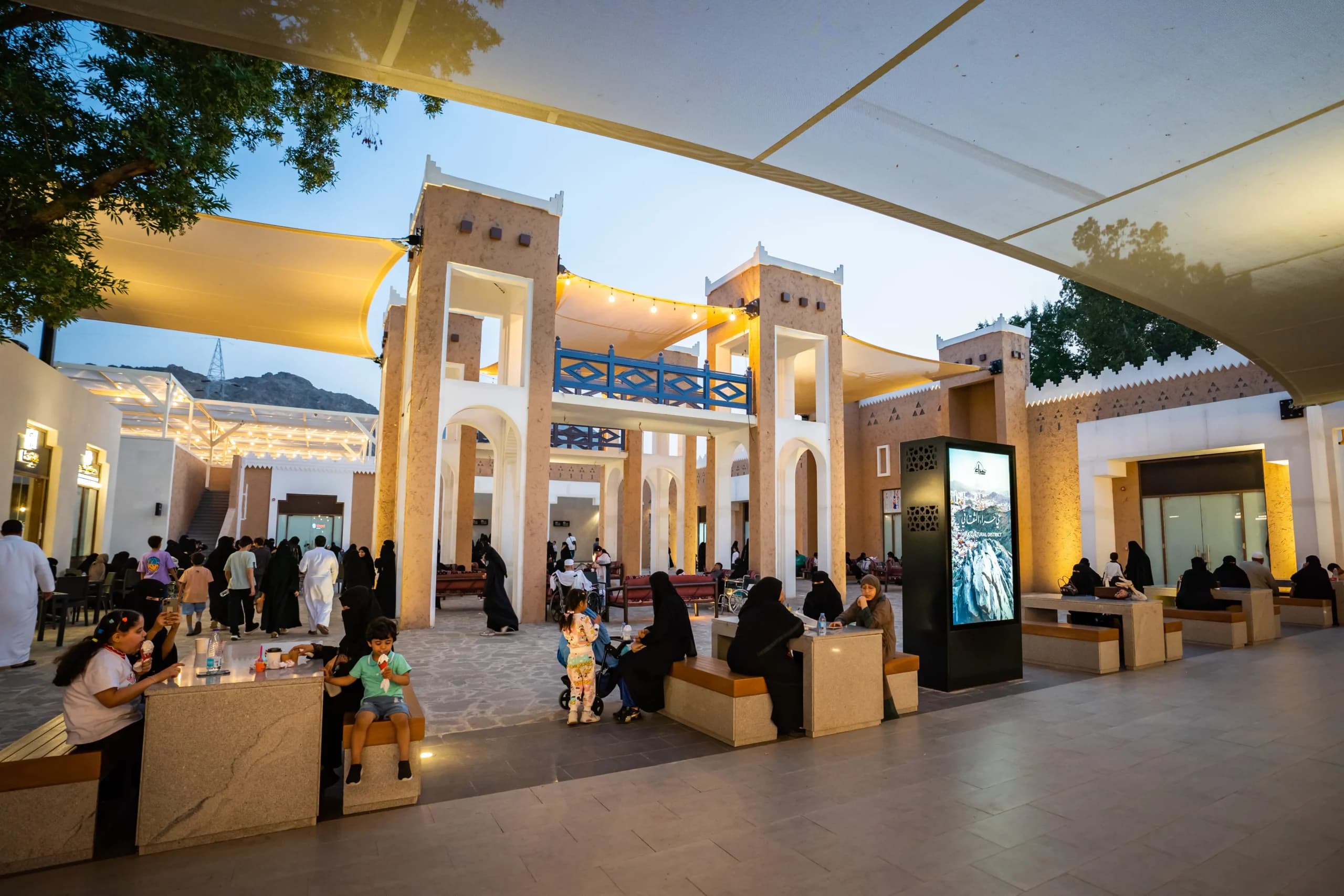
Beyond the exhibitions, there are countless cafes and food stalls which creates an atmosphere fun for a family outing.
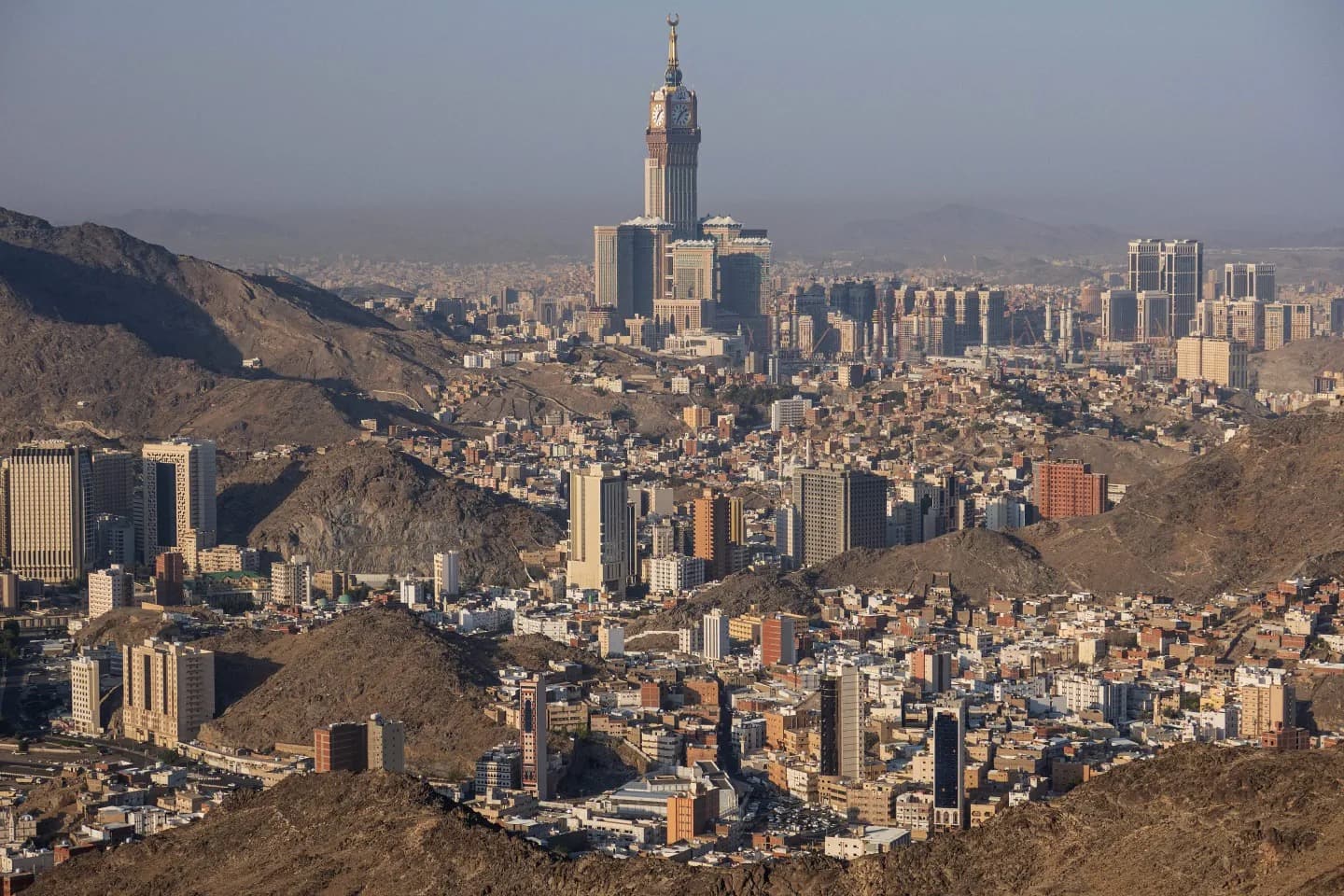
The district is located at the base of Jabal Noor, in the northeast of Makkah. It is accessible by taxi or ride-hailing app.
Key components to visit:
- Hira Cultural Center: The main hub — orientation, information, and the starting point for exploring the district
- Revelation Exhibition: The centrepiece. An immersive walk-through exhibition covering the story of the first revelation. Children under 7 enter for free. Allow at least 45 minutes
- Museum of the Holy Quran: Displays rare Quran manuscripts, calligraphy, and the history of Quranic preservation. Highlights include a replica of the Cave of Hira (for those who cannot make the hike), Qurans written on age-old bones, threaded on cloth, inscribed on wooden tablets and palm leaves, and the biggest Quran in the world. A smaller space but deeply rewarding
- Cultural Library: A quiet space for reading and research, with texts on Islamic history and the Hijaz region
- Visitors Center: Information, maps, and guidance for those planning to climb Jabal Noor
- Path to the Cave: The trailhead for the hike to the Cave of Hira begins here. If you plan to climb, start early in the morning
- Hira Park: Green space and walking paths — a welcome contrast to Makkah's concrete density
- Commercial facilities: Cafés and shops for refreshments and souvenirs
Getting there:
- A taxi from the Haram area takes approximately 10-15 minutes
- Ask for "Hira Cultural District" or "Jabal Noor" — both will get you there
- Ride-hailing apps (Uber, Careem) work well for the return journey
- The district is fully accessible — no climbing required to enjoy the exhibitions and facilities
- Entry to the district itself is free — fees apply only for individual exhibitions (e.g. Revelation Exhibition is 30 SAR per person, 25 SAR per person for group bookings)
- The exhibitions are presented in Arabic and English
- If you plan to combine this with the Jabal Noor hike, arrive early in the morning and do the hike first while it is cool, then visit the exhibitions after descending
- Weekday mornings are the least crowded times to visit
- Wudu facilities and prayer areas are available within the complex
Discover more
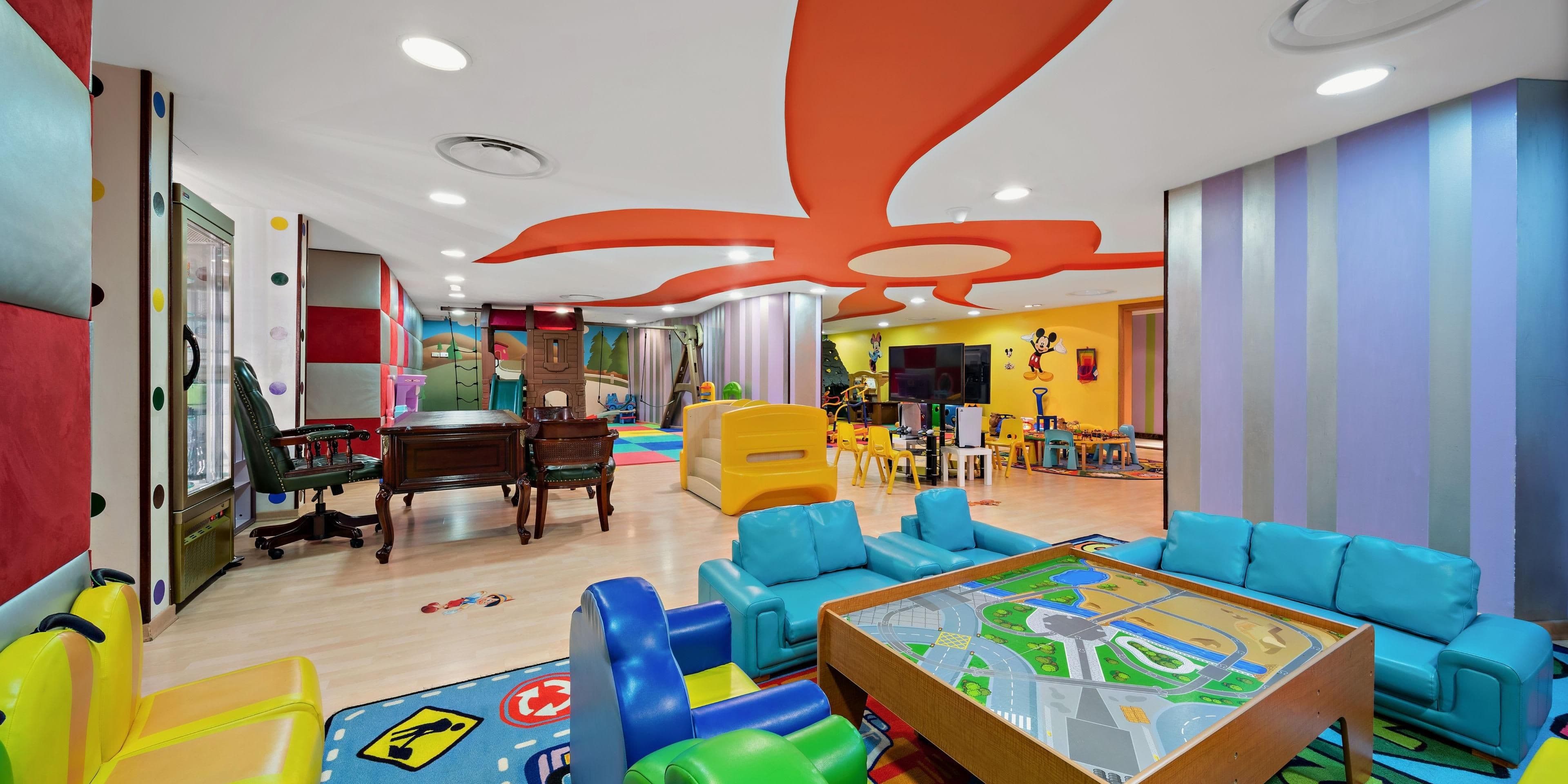
5 Things Families Visiting Makkah Need to Know
Practical tips that make Umrah with kids significantly easier — from play centres to pram storage
5 Historical Places You Need to Visit in Makkah
If you love history, Makkah has more to offer than most visitors ever see
3 Things Pilgrims Miss Out on in Makkah
Three experiences most visitors never get to — each one different, all of them unforgettable.