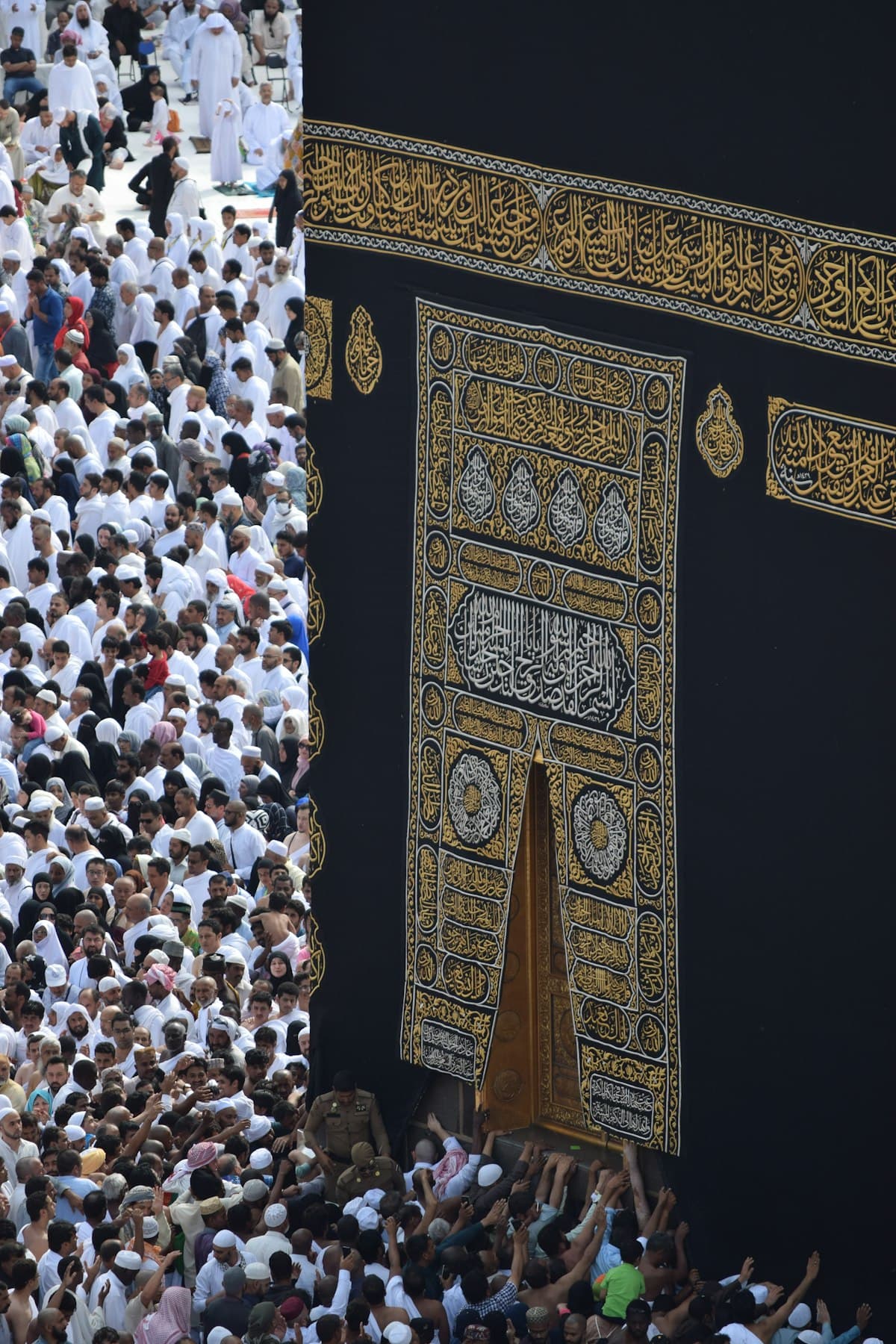
King Abdulaziz Complex (Kiswa Factory)
See how the Kaaba's cover is handcrafted — gold thread, silk, and centuries of tradition
Formerly known as the Kiswa Factory, the King Abdulaziz Complex is where the Kaaba's iconic black cover is designed, woven, and embroidered by hand each year. Located in the Umm Al Joud district, the complex employs over 200 craftsmen who work year-round to produce the single most recognisable textile in the Islamic world. During your visit, you'll see previous year samples of the Kiswa and watch an educational video on how it's made. Nearby in the same district sits the Exhibition of the Two Holy Mosques — a remarkable museum housing centuries of artefacts from Masjid Al Haram and Masjid an-Nabawi. Together, these two sites make for one of the most enriching half-days you can spend outside the Haram.
Most people see the Kiswa draped over the Kaaba and never think about how it gets there. This visit changes that. You'll see the full process — from raw silk being dyed the signature black, to artisans hand-embroidering Quranic verses in gold and silver thread. The precision is extraordinary: each panel takes months, and the entire Kiswa weighs over 670 kilograms.
Every year on 1st Muharram — the first day of the Islamic calendar — the old Kiswa is removed and a fresh one is draped over the Kaaba. The entire replacement is carried out in a single day by a specialist team. If you're visiting the factory in the weeks before Muharram, you may see the final stages of preparation for the new cover — one of the most remarkable things to witness.
The nearby Exhibition of the Two Holy Mosques adds another layer, housing centuries of artefacts from the Two Holy Mosques. Together, these two experiences deepen your understanding of everything you see at the Haram.
Booking the King Abdulaziz Complex:
- You must book online through the General Presidency for the Affairs of the Two Holy Mosques (GPH) website and wait for a confirmation of your appointment. Do not turn up without an appointment — you will be turned away.
- Entry is free.
- Getting there: Located in Umm Al Joud, approximately 15 minutes by car from the Haram. Any taxi driver knows the location — ask for "King Abdulaziz Complex" or "Masna' al-Kiswa."
- Best time to visit: Weekday mornings when artisans are actively working. Avoid Fridays and public holidays.
- Duration: A thorough visit takes about 1-2 hours. Don't rush it — the details reward slow observation. The Exhibition of the Two Holy Mosques:
- Located in the same Umm al-Jud area, about 5 minutes' drive from the Kiswa Factory — combine both in a single trip.
- Free entry, no booking required.
- Generally open Saturday to Thursday, mornings and evenings (closed during Dhuhr-Asr break). Closed on Fridays.
- Hours can change during Hajj season and Ramadan — check locally.
- Allow 1-2 hours. The exhibition isn't enormous but the artefacts deserve slow attention.
What to look for at the Exhibition:
- Kiswa fragments — old sections of the Kaaba's black covering with gold embroidery
- Kaaba door and lock — the sheer weight and craftsmanship of the historical door is impressive
- Architectural models — showing each major expansion of the Two Holy Mosques
- Calligraphy panels — original inscriptions from the Haram's walls
- Zamzam well equipment — historical mechanisms used to draw water
- The cover uses approximately 670 kg of raw silk, dyed black
- Gold thread used in the embroidery is real — about 120 kg of gold and silver wire
- The Kiswa has 47 metres of Quranic calligraphy belt running around the upper third
- The old Kiswa is cut into pieces and gifted to dignitaries and institutions worldwide
- Family-friendly and suitable for all ages, though younger children may lose interest in the exhibition
Discover more
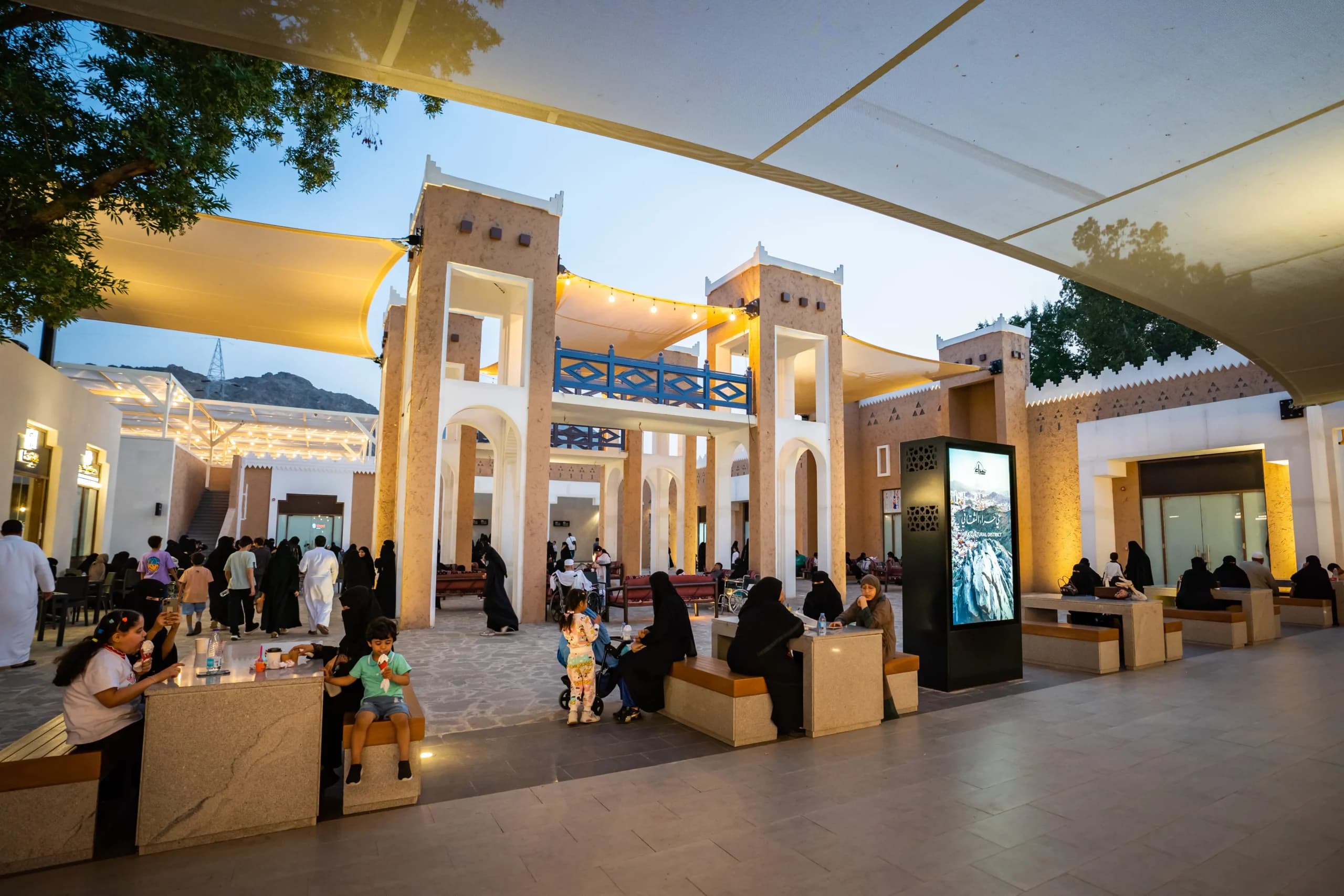
Hira Cultural District
A modern cultural complex at the foot of Mount Hira — where revelation meets exhibition
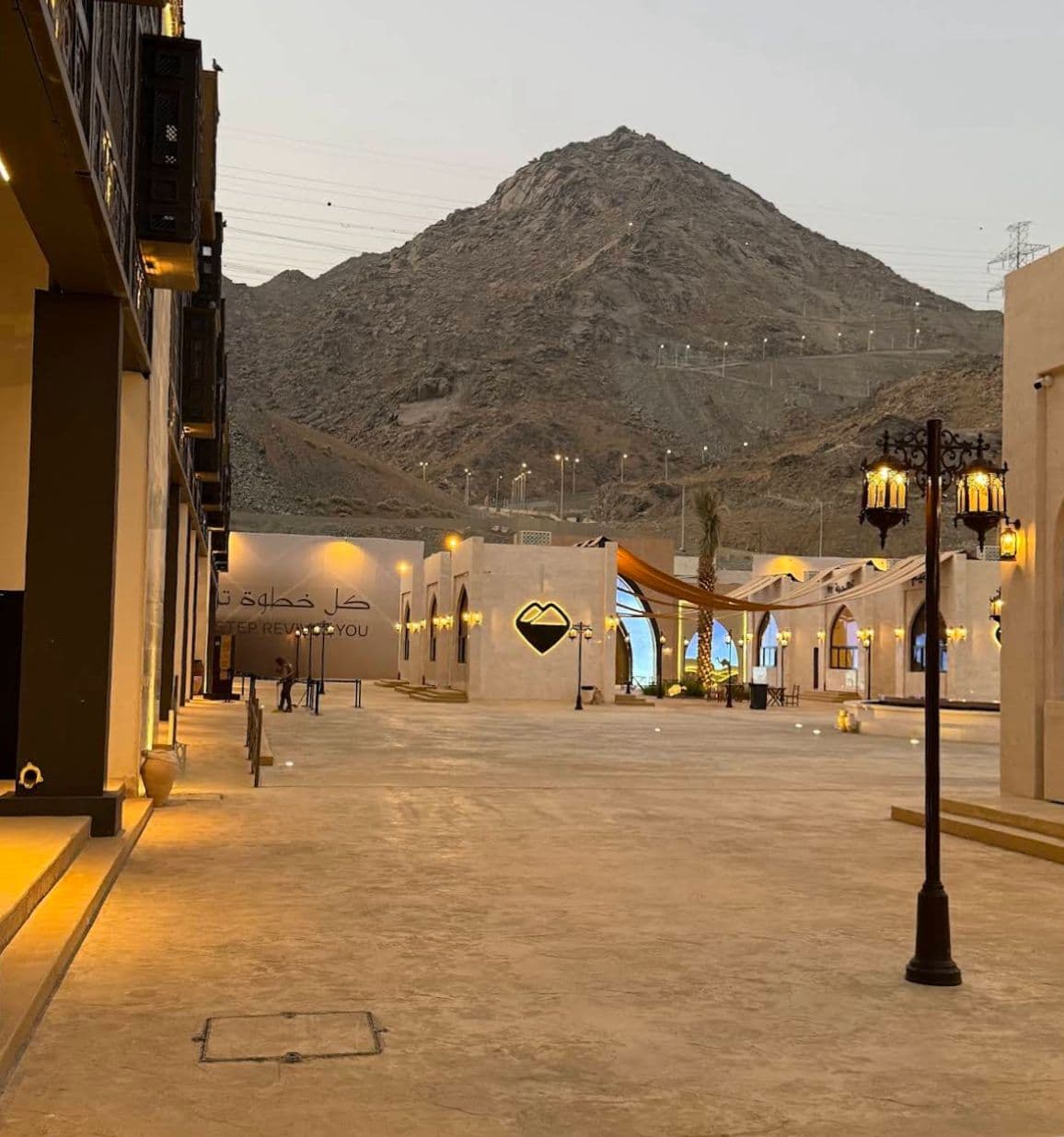
Jabal Thawr Cultural District
A new cultural district at the base of Jabal Thawr — historic market, gardens, and the gateway to Ghar Thawr
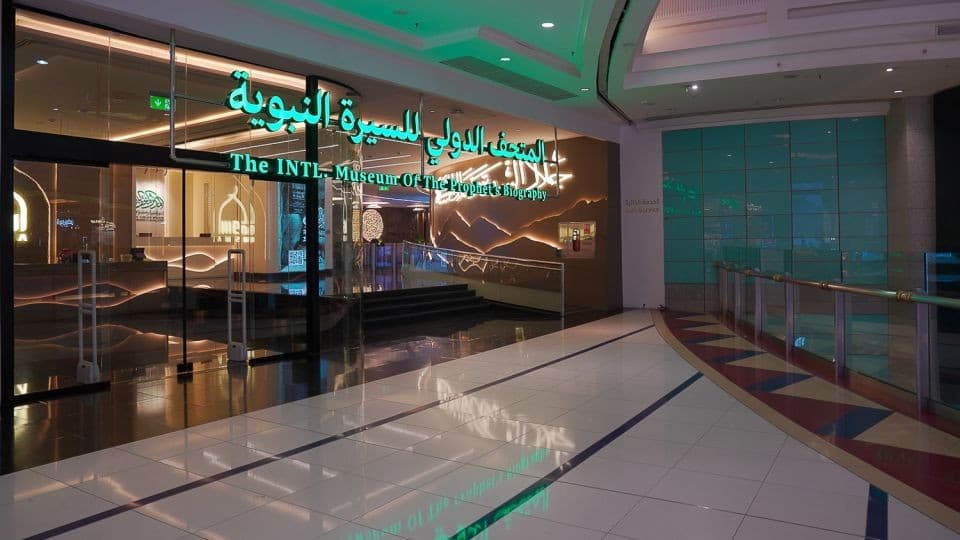
The Int'l Museum Of The Prophet's Biography
An immersive walk through the life of the Prophet (S.A.W) — and one of Makkah's best-kept secrets