Mountains & Monuments
A multi-day exploration of Makkah's geography — the mountains, valleys, and landmarks that shaped Islamic history
Makkah is defined by its geography. The mountains aren't scenery — they're where revelation happened, where prophets were tested, where armies marched, where pilgrims have walked for fourteen centuries.
This three-day itinerary takes you through the landscape that shaped Islamic history: the vast plain where Hajj culminates, a mountain tied to Ibrahim's sacrifice, the cave where the first revelation descended, and the cave where the Prophet ﷺ hid during the Hijrah. It's physically demanding, historically rich, and unlike anything else you'll do in Makkah.
- Visitors with at least 7-9 days in Makkah who can dedicate three days to exploration
- History and geography enthusiasts who want to understand the physical landscape of Islamic events
- Moderately fit travellers — Days 2 and 3 involve real hikes, but Day 1 is mostly driving and walking
Logistics: You'll need a car and driver for all three days. Expect 200-400 SAR per day depending on distance and waiting time. The Arafat-Muzdalifah-Mina route is straightforward and any local driver knows it. Al Usaylah Valley is more remote — confirm your driver knows the location before departure, or bring GPS coordinates. Pack water, sunscreen, and proper hiking shoes for Days 2 and 3. Outside of Hajj season, the Arafat and Mina sites are accessible without permits.
Morning
Jabal Rahma (Mount of Mercy)
Drive to the Plain of Arafat and walk up Jabal Rahma — the small granite hill where the Prophet ﷺ delivered his Farewell Sermon. Outside of Hajj season, it's nearly empty. Standing here in the off-season, with the plain stretching in every direction, you start to grasp the scale of what Hajj actually is. Then visit Masjid Namirah, the enormous mosque that spans the boundary of Arafat.
Plain of Arafat
Read more →Midday
Jabal Thubair Hike
From Arafat, drive to Jabal Thubair — one of Makkah's lesser-known mountains but with deep history. It's identified in some traditions as the mountain where Ibrahim was tested with the sacrifice of Ismail. The hike is moderate, less crowded than Jabal Noor, and rewards you with panoramic views of Mina and the surrounding valleys. Expect a 60-90 minute ascent.
Jabal Thubair
Read more →Evening
Dinner and Rest
Return to Makkah and eat well. The day covered a lot of ground — physically and emotionally. A mandi or kabsa dinner followed by early sleep is the right call. Tomorrow involves hiking, so rest your legs and drink plenty of water.
Central Makkah
See our recommendations →Morning
Jabal Noor Hike (Cave of Hira)
Early start — leave by 5:30 AM. Jabal Noor is where the Prophet ﷺ received the first revelation of the Quran in the Cave of Hira. The hike takes 60-90 minutes and is well-trodden but steep near the top. The cave itself is small and humble — a crack in the rock where everything began. Stand where Jibreel spoke. Then descend carefully — the downhill is harder on the knees.
Jabal Noor
Read more →Afternoon
Hira Cultural District
After the hike, visit the Hira Cultural District — a modern complex near Jabal Noor with exhibitions on the history of revelation, the Quran, and Makkah's cultural heritage. Air-conditioned and a welcome rest after the morning hike. The exhibitions contextualise what you just experienced on the mountain.
Near Jabal Noor
Read more →Evening
Recovery Dinner
A proper recovery meal — your legs have earned it. Mandi, kabsa, or grilled meats. Rest well tonight; tomorrow is your final hike.
Central Makkah
See our recommendations →Morning
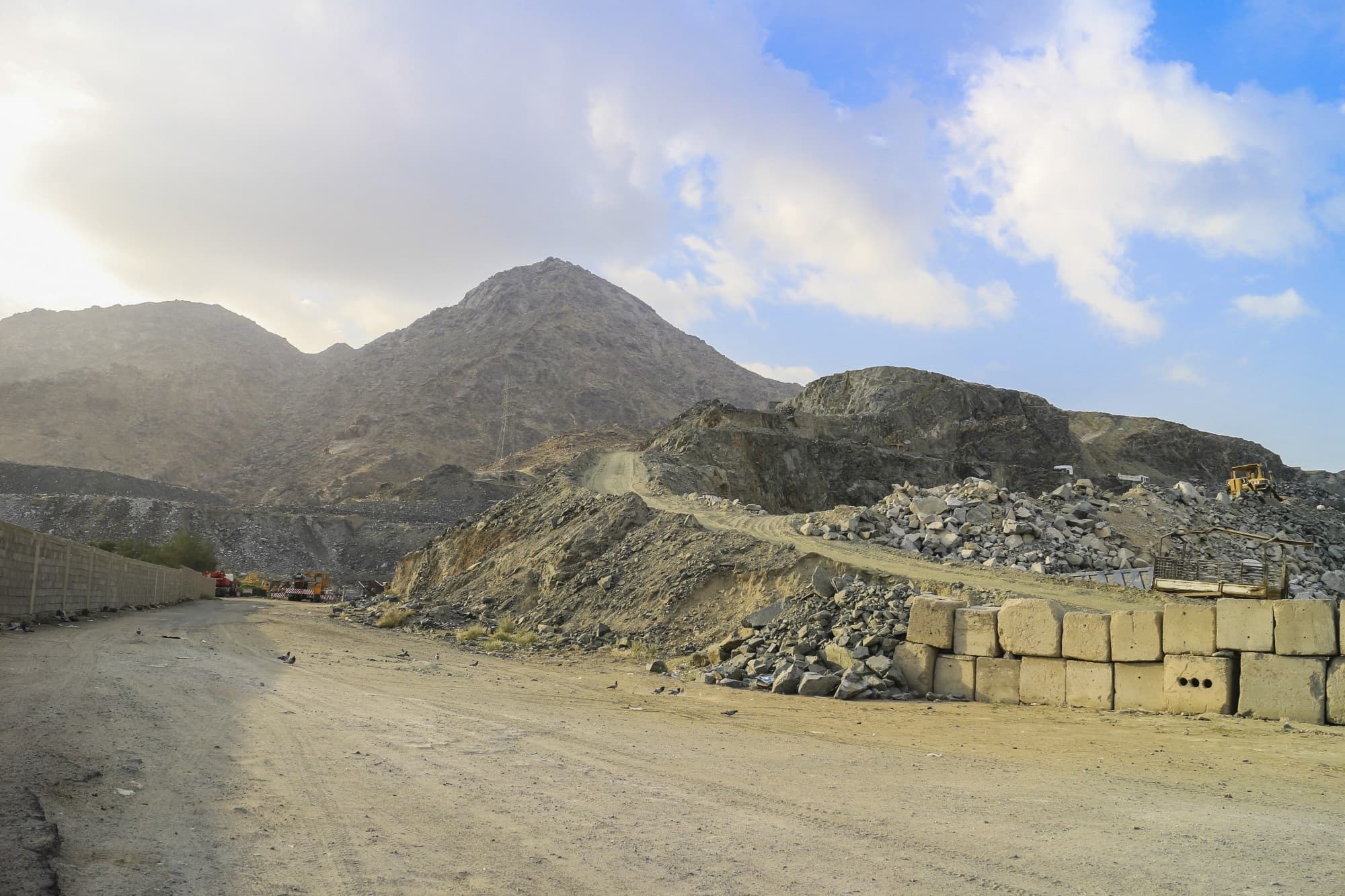
Jabal Thawr Hike
The hardest hike of the three days. Jabal Thawr is where the Prophet ﷺ and Abu Bakr hid during the Hijrah — the cave is near the summit at around 750 metres. The hike takes 60-120 minutes depending on fitness and is steeper and more technical than Jabal Noor. Start before dawn to beat the heat. Headlamp recommended.
Jabal Thawr
Read more →Afternoon
Return and Final Dinner
Head back to the city for a final meal. Over three days, you've stood where Hajj happens, hiked the mountain of first revelation, explored ancient inscriptions, and climbed the cave of the Hijrah. Makkah's geography isn't backdrop — it's the text. The mountains, valleys, and plains are where the story was written.
Central Makkah
See our recommendations →