5 Historical Places You Need to Visit in Makkah
If you love history, Makkah has more to offer than most visitors ever see
Most visitors to Makkah spend their entire trip within a few hundred metres of the Haram. And that makes complete sense — it's the reason you're there, and there's never enough time inside those walls. But Makkah is one of the oldest continuously inhabited cities in the world. The history here doesn't start and end at the mosque. It extends across valleys, up mountainsides, and along ancient water channels that once kept this city alive.
These five sites won't replace a single minute of your time at the Haram. But if you have a spare morning or afternoon — and we'd argue you should build one into your trip — they'll give you a physical connection to the stories you've been reading and hearing since childhood.
1. Hira Cultural District
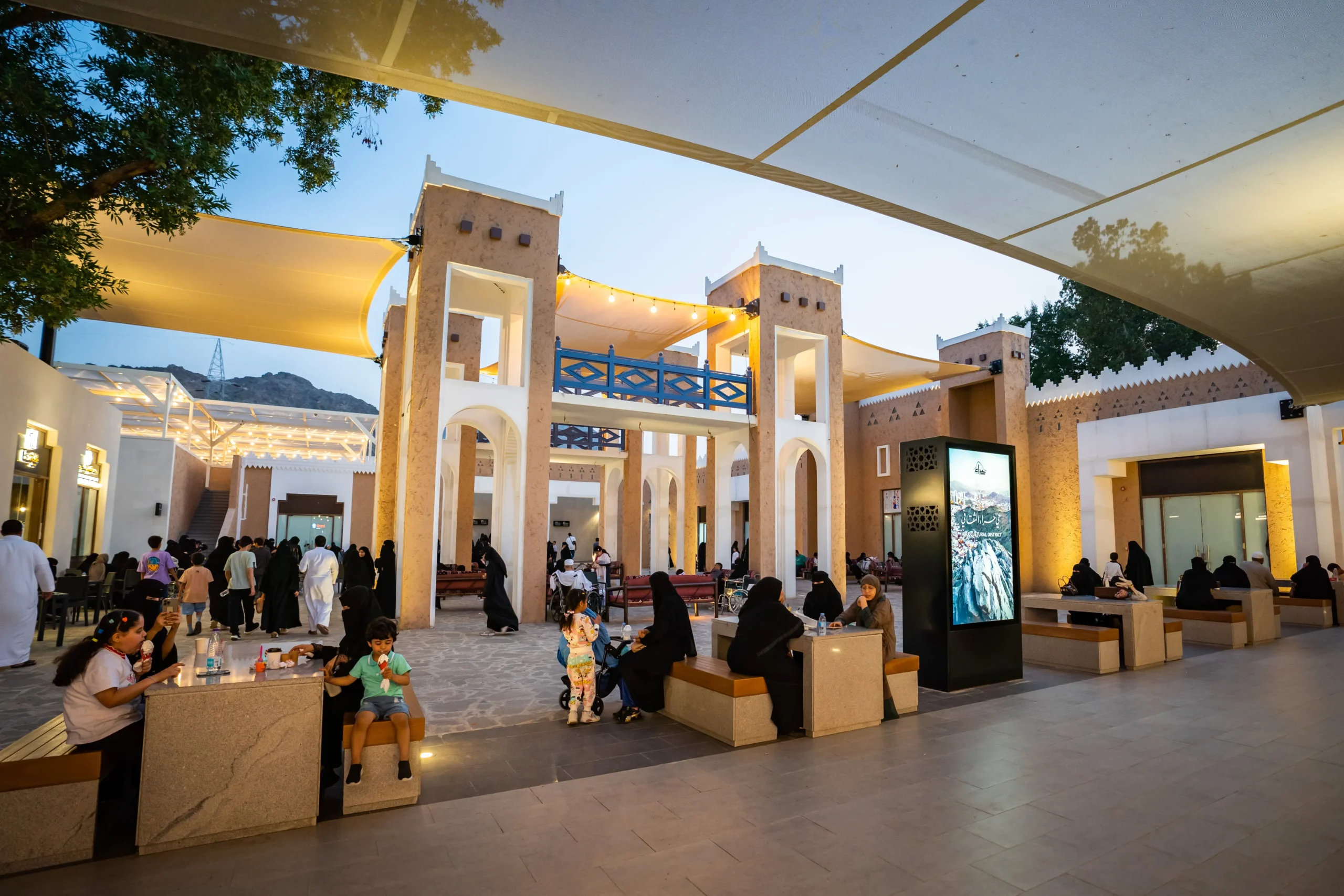
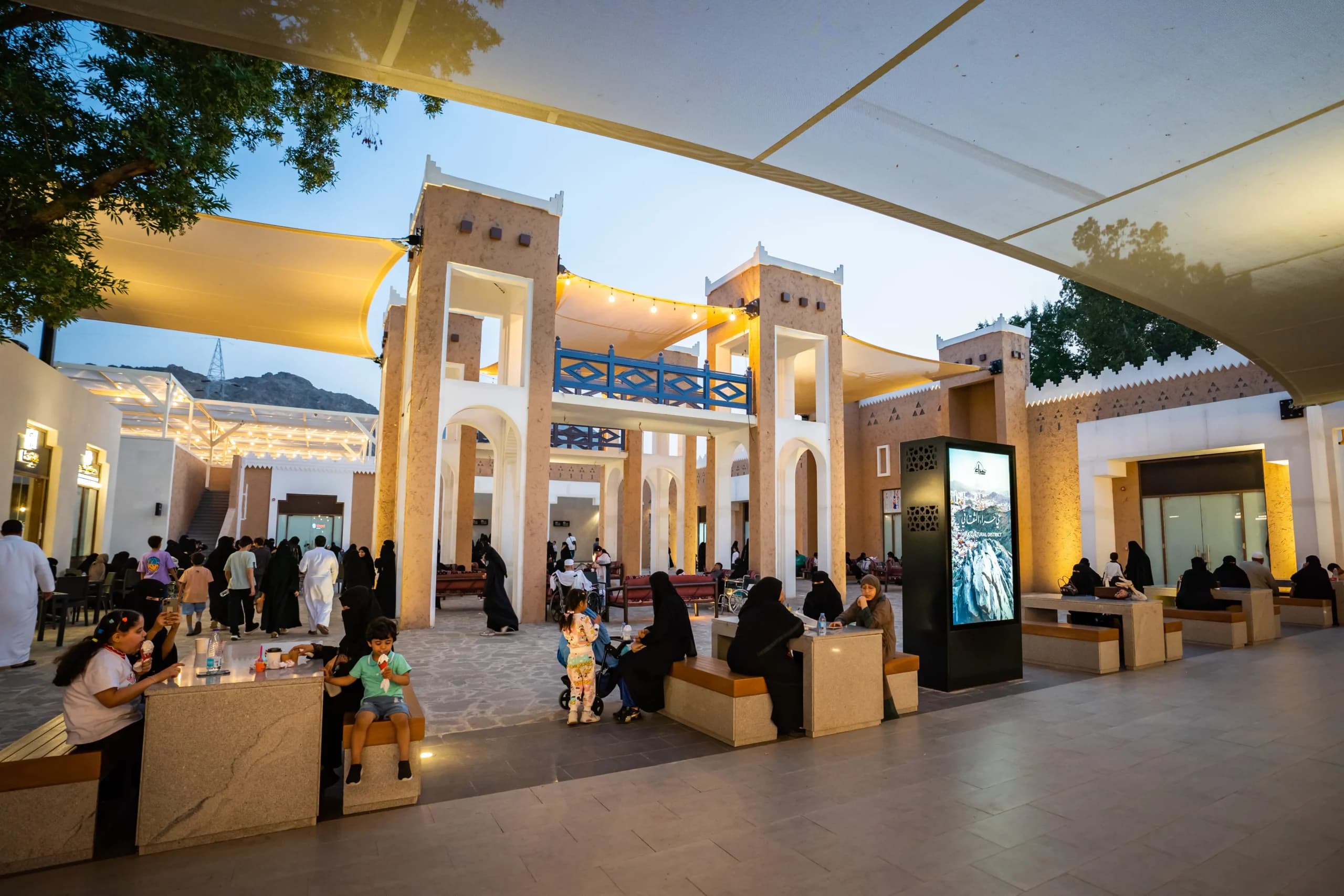
Before this complex existed, visiting the base of Jabal al-Nour meant standing in a dusty car park surrounded by souvenir hawkers, staring up at a mountain with no context. The Hira Cultural District changed that entirely — it's a modern development with museums, immersive exhibitions, landscaped walkways, and proper facilities.
The Revelation Exhibition is the centrepiece. A 45-minute walk-through covering the history and context of the first revelation, with everything in Arabic and English. The multimedia presentations are well-produced without being overdone. Standing at the base of the mountain where Jibreel first spoke to the Prophet Muhammad (S.A.W), reading the opening words of Surah Al-Alaq on the wall in front of you — that's not something you forget.
The Museum of the Holy Quran houses rare manuscripts and traces the history of Quranic preservation and calligraphy. If Islamic art or history interest you at all, budget at least thirty minutes here.
The honest take: This is the most visitor-ready historical site in Makkah by a wide margin. Go on a weekday morning or evening if you can — weekends get crowded. You don't need to climb to the Cave of Hira (it's steep and takes about 90 minutes), but the district at the base is worth a half-day on its own.
2. Mount Arafat (Jabal Rahma)
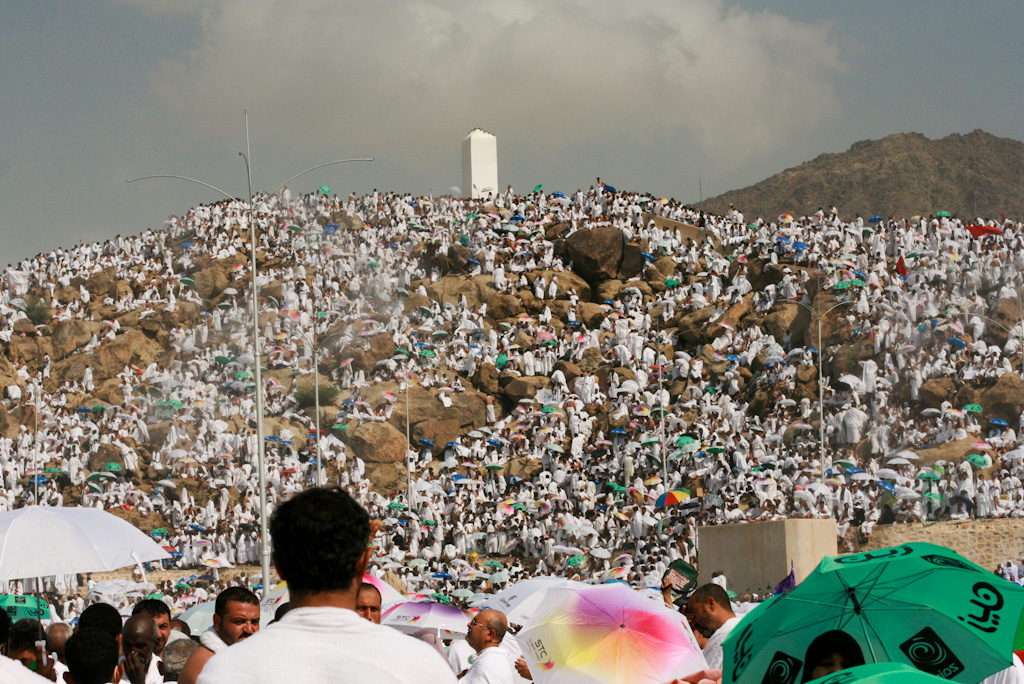
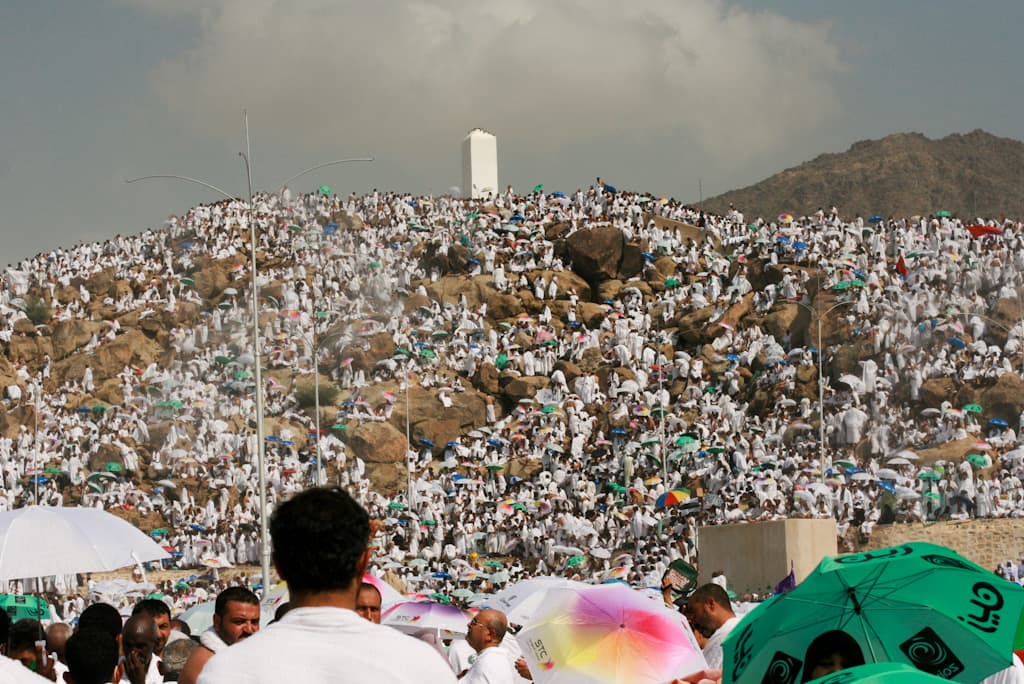
This is the plain where the Prophet delivered his Farewell Sermon to over 100,000 companions. Jabal Rahma — the Mount of Mercy — is a small granite hill with paved steps that take about ten minutes to reach the summit. A white pillar marks the top.
On a quiet day outside of Hajj, the plain is nearly empty. That contrast is part of what makes it powerful — this vast expanse that fills with millions of people on a single day each year, and right now it's just you and the wind and space to think.
The honest take: If you have a car, ask the driver to take you through Muzdalifah and past Mina on the way back. Seeing the full Hajj geography — Arafat, Muzdalifah, Mina — in sequence gives you a spatial understanding of the pilgrimage that no book or documentary can replace. It's worth the extra 20 minutes. Bring water — at least a litre — and sun protection. There is minimal shade.
3. Birthplace of the Prophet
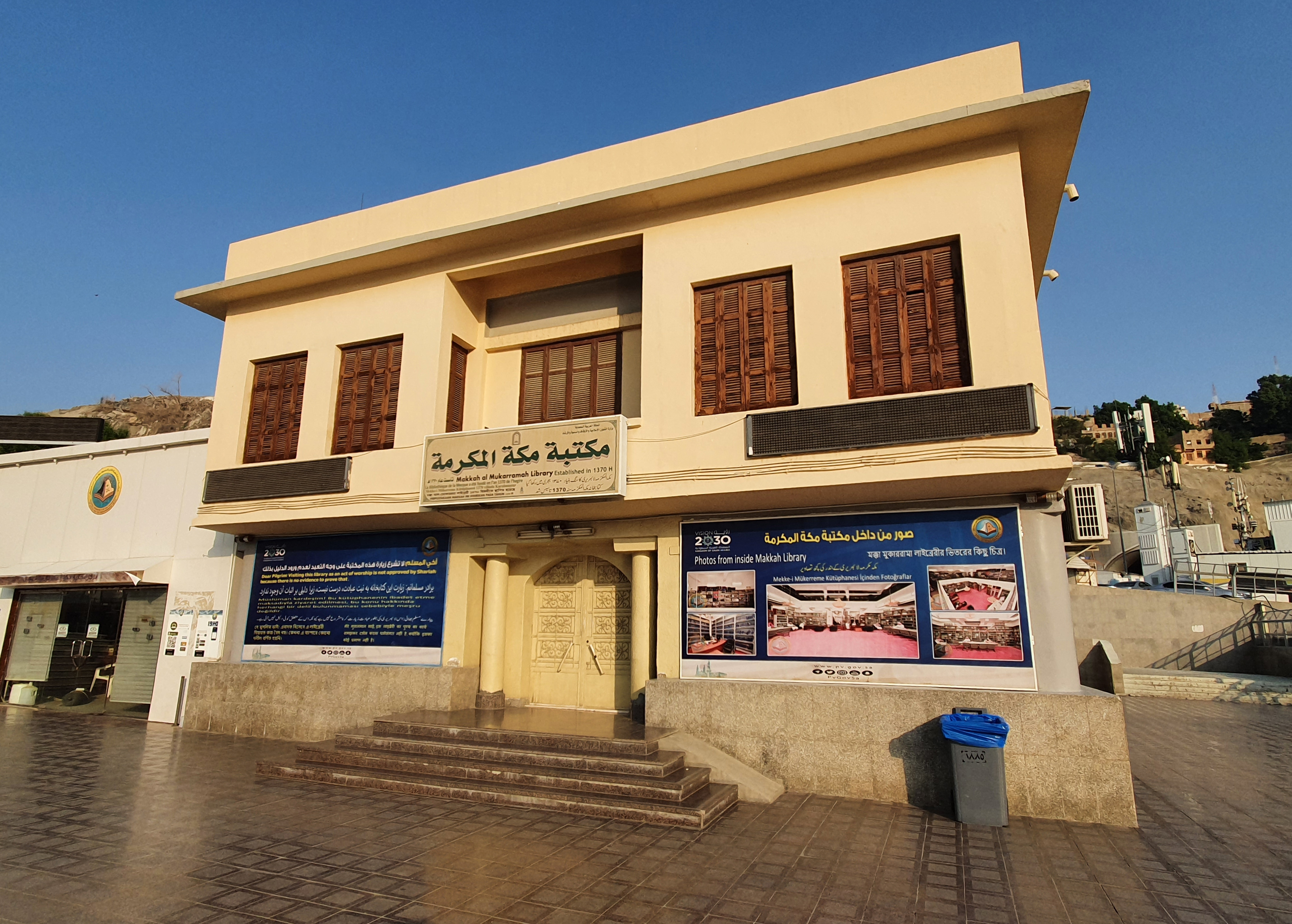
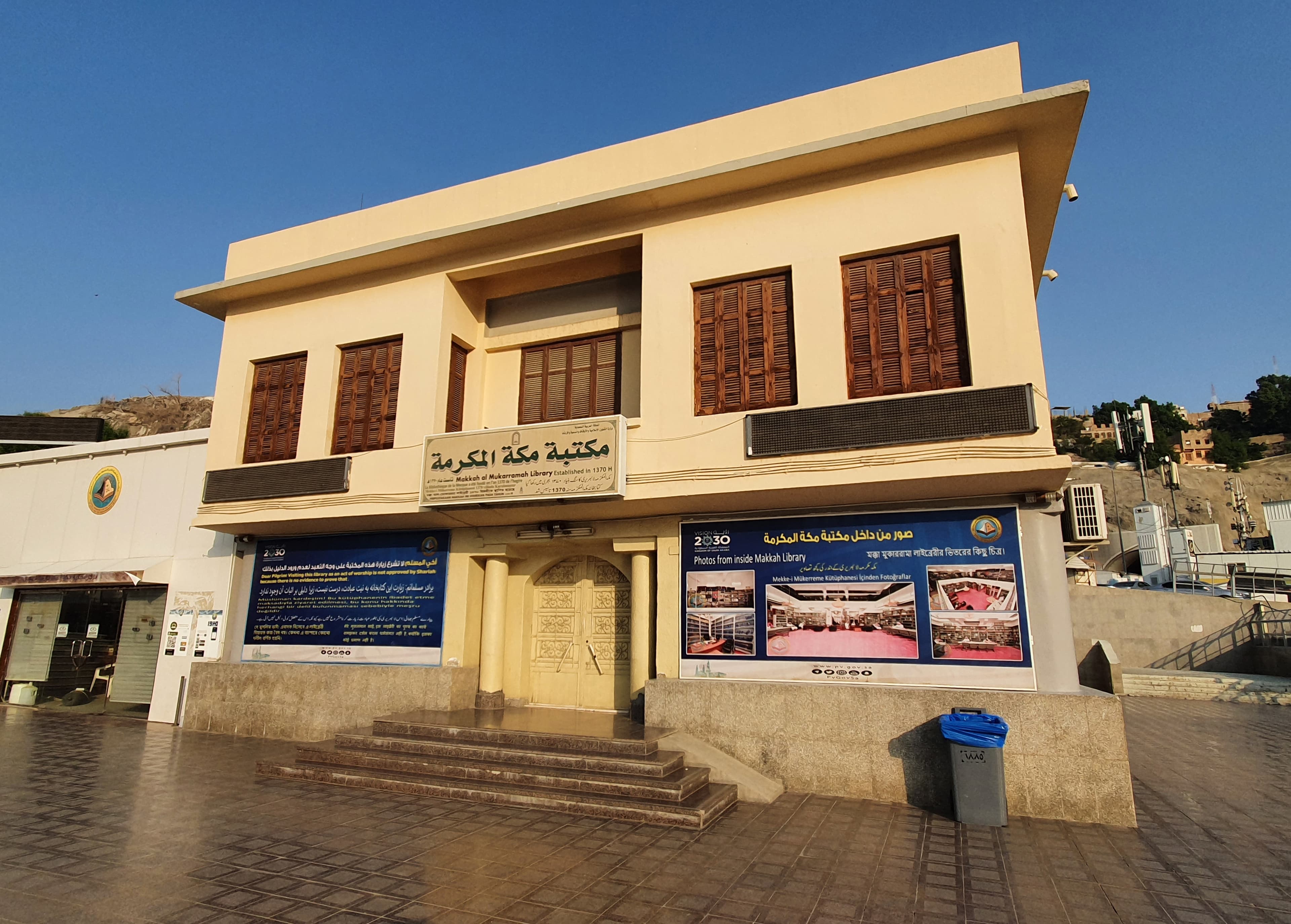
The believed location of the birth of the Prophet Muhammad (S.A.W) is now the site of Maktabat Makkah al-Mukarramah — the Makkah Library. The building is closed to the public — this is an exterior visit only. What you will find are signs outside explaining the history of the site — and, importantly, noting that the exact location is not authenticated. This distinction matters: the signs are there specifically to prevent the site from being treated as a place of worship, in keeping with Islamic scholarly principles about avoiding the veneration of specific locations.
The building sits on the outskirts of the Masjid Al Haram plaza, near the Marwah exit. There is no grand marker, no visitor centre, no queue. You stand outside, read the signage, and understand where you are. The significance is entirely in the knowledge — that this is where, according to one scholarly tradition, the Prophet was born in the Year of the Elephant (571 CE). Other scholars differ on the exact location. The signs themselves acknowledge this uncertainty.
The honest take: This is a "you have to know it's there" kind of place. Most people walk past without realising. If you need a curated experience, the Hira Cultural District is the better choice. But if standing in the approximate place where the Prophet was born — even just on the pavement outside — means something to you, it's a short detour that takes fifteen minutes and costs nothing.
4. Al-Hudaybiyyah (Treaty Site)
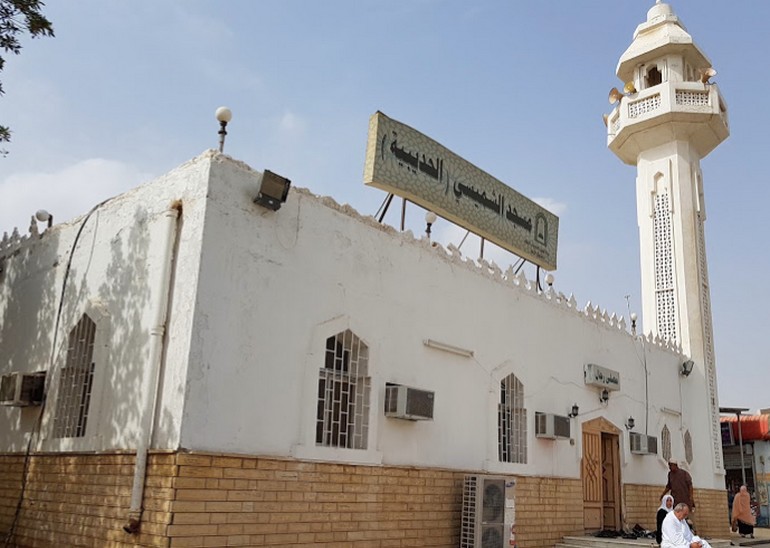
In the 6th year after the Hijrah, the Prophet Muhammad (S.A.W) and 1,400 companions journeyed to Makkah intending to perform Umrah. The Quraysh prevented them from entering. What followed was the Treaty of Hudaybiyyah — a pivotal moment in Islamic history that the Quran itself calls "a clear victory" (Surah Al-Fath, 48:1), even though it initially looked like a concession.
This is also where the Bay'at al-Ridwan (Pledge of Ridwan) took place — when the companions pledged allegiance to the Prophet Muhammad (S.A.W), vowing to stand with him after rumours spread that Uthman ibn Affan (RA), who had been sent as an envoy to the Quraysh, had been killed.
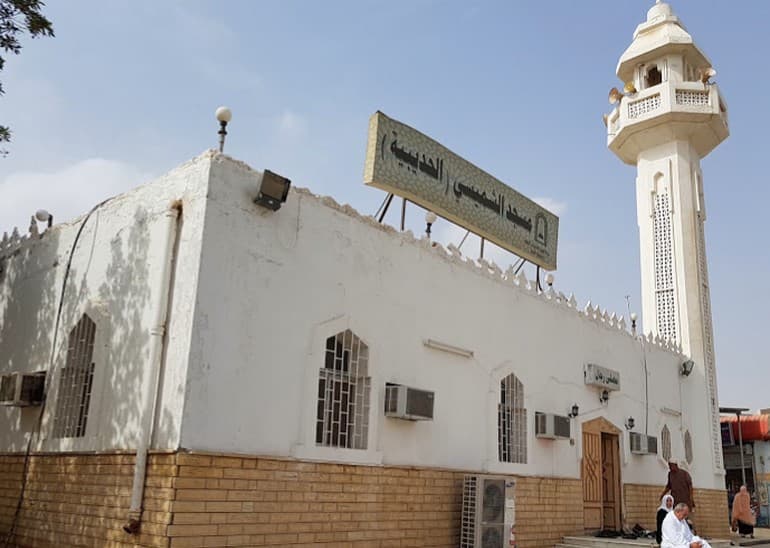
What's there today: Masjid al-Hudaibiyah (also called Masjid al-Shumaisi) marks the site. A new mosque has been built adjacent to the remains of the older Ottoman-era structure. The mosque also functions as a Miqat point — one of the boundary markers where pilgrims can enter ihram for Umrah. There's a commemorative tree marking the approximate location of the Bay'at al-Ridwan, and a well associated with the Prophet's miracle of causing water to overflow for the companions.
The honest take: This is not a polished visitor attraction. It's a mosque on the outskirts of Makkah, on a road most people only see on their way to or from Jeddah. The historical weight of the place is enormous — but the visitor infrastructure is minimal. You come here because you know what happened here, not because there's a museum to walk through. Best combined with a trip to or from Jeddah if your schedule allows.
5. Ain Zubaida (The Spring of Zubaida)
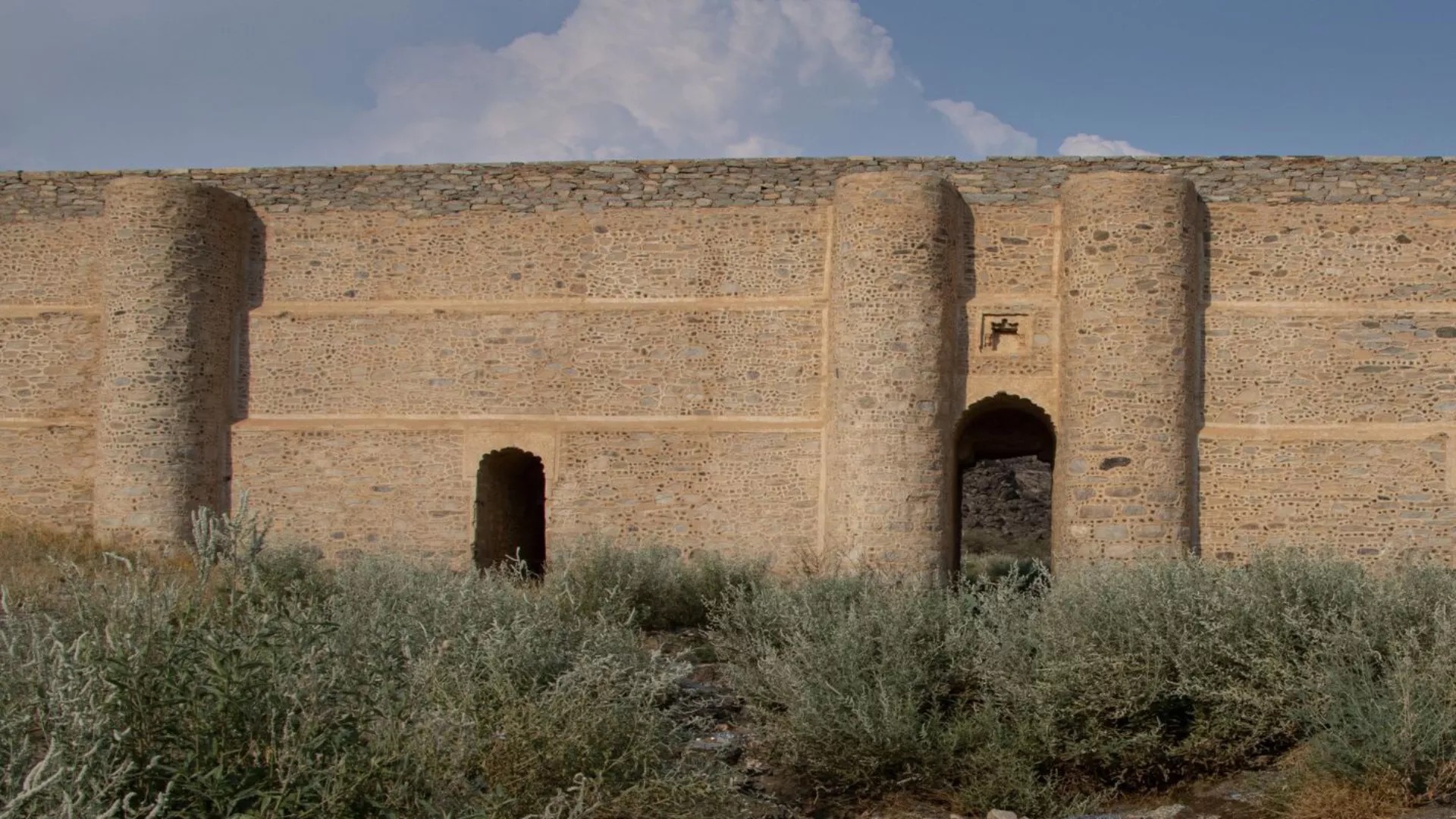
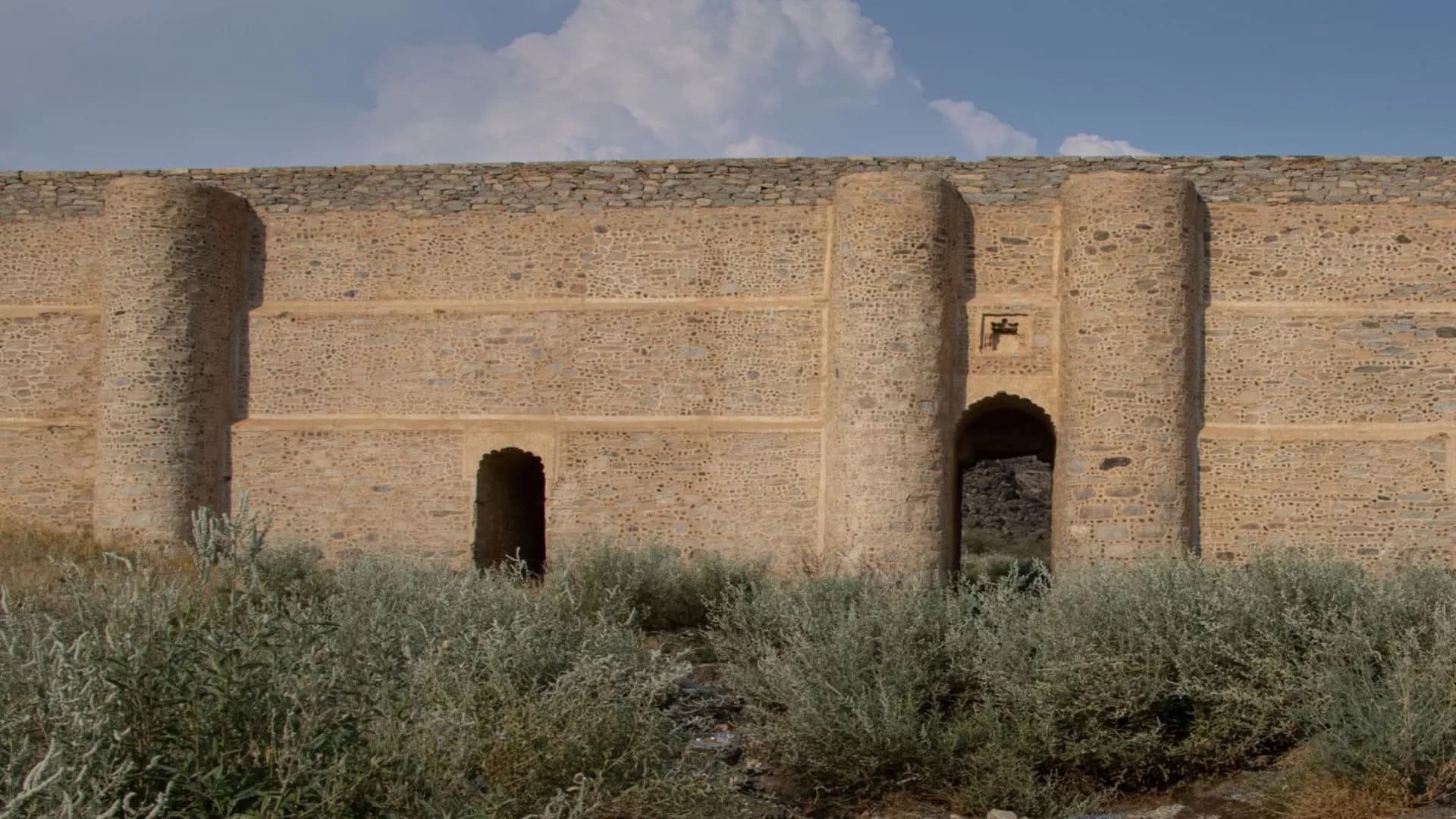
In the 9th century CE, Zubaida bint Jafar — wife of Harun al-Rashid, the Abbasid caliph — commissioned one of the most ambitious engineering projects of the medieval world. A 37-kilometre water network, combining underground qanats and above-ground aqueducts, designed to bring water from the springs near Taif through to Makkah and its pilgrims.
For nearly 1,200 years, Ain Zubaida supplied water to the city. Let that sink in — a water system built in 801 CE that functioned into the modern era. The engineering is genuinely extraordinary: the network traverses mountain terrain, crosses valleys via elevated aqueducts, and uses gravity to move water across dozens of kilometres without any mechanical pumping.
What to expect: Ain Zubaida isn't a single site you visit — it's a water network that stretches across a vast distance. There's no museum or visitor centre. What the government has done is place informational signs at key points along the network, primarily in the Mashaer area (between Muzdalifah and Arafat). These signs explain the history of the water system, its engineering, and Zubaida's role in commissioning it.
The most practical way to see Ain Zubaida is to combine it with a visit to Arafat or a drive through the Mashaer route. If you're already doing the Arafat day trip we described above, ask your driver to stop at the Ain Zubaida information points along the way. You're passing through the area anyway — it adds maybe 20-30 minutes to the trip.
The honest take: This is the most understated entry on this list. There's no grand monument, no restored aqueduct you can walk through, no dramatic photo opportunity. What there is: a series of signs in a landscape that tell you the story of a woman who spent her personal fortune to keep pilgrims alive over a thousand years ago. The story is extraordinary. The physical experience is reading signs on the roadside. Whether that's worth your time depends entirely on how much the story matters to you — and for anyone interested in Islamic history or engineering, it should matter a great deal.
Planning your visits
If you only have time for one, make it the Hira Cultural District — it's the most developed, the most accessible, and delivers the strongest emotional impact per hour invested.
If you have a full free day, combine Hira in the morning with Arafat in the afternoon. You'll see both in about 6-7 hours including travel, and the contrast between the polished museum complex and the vast emptiness of the Arafat plain is striking.
The Birthplace takes 30 minutes and is walking distance from the Haram — slot it in between prayers if you're nearby.
Hudaybiyyah is for the dedicated history lover — it requires transport and offers minimal visitor infrastructure. Combine it with a Jeddah day trip if the timing works. Ain Zubaida is best combined with your Arafat visit — the informational signs are along the Mashaer route you'll be driving through anyway.
One last thing: Makkah's historical sites are not theme parks. Most of them are simply places where extraordinary things happened, preserved with varying degrees of care. That's part of what makes them worth visiting. You're not watching a presentation about history. You're standing in it.
More from Featured
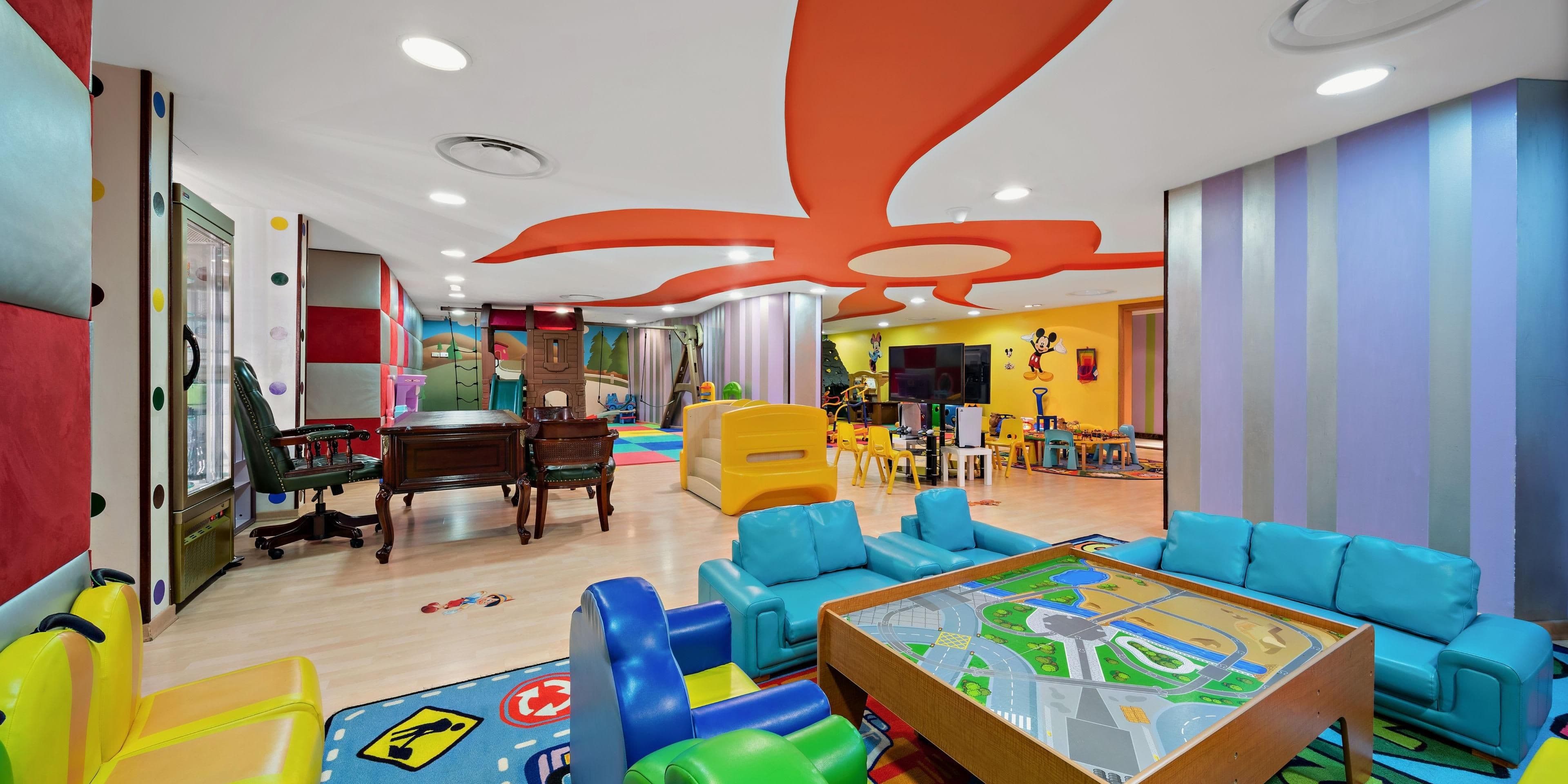
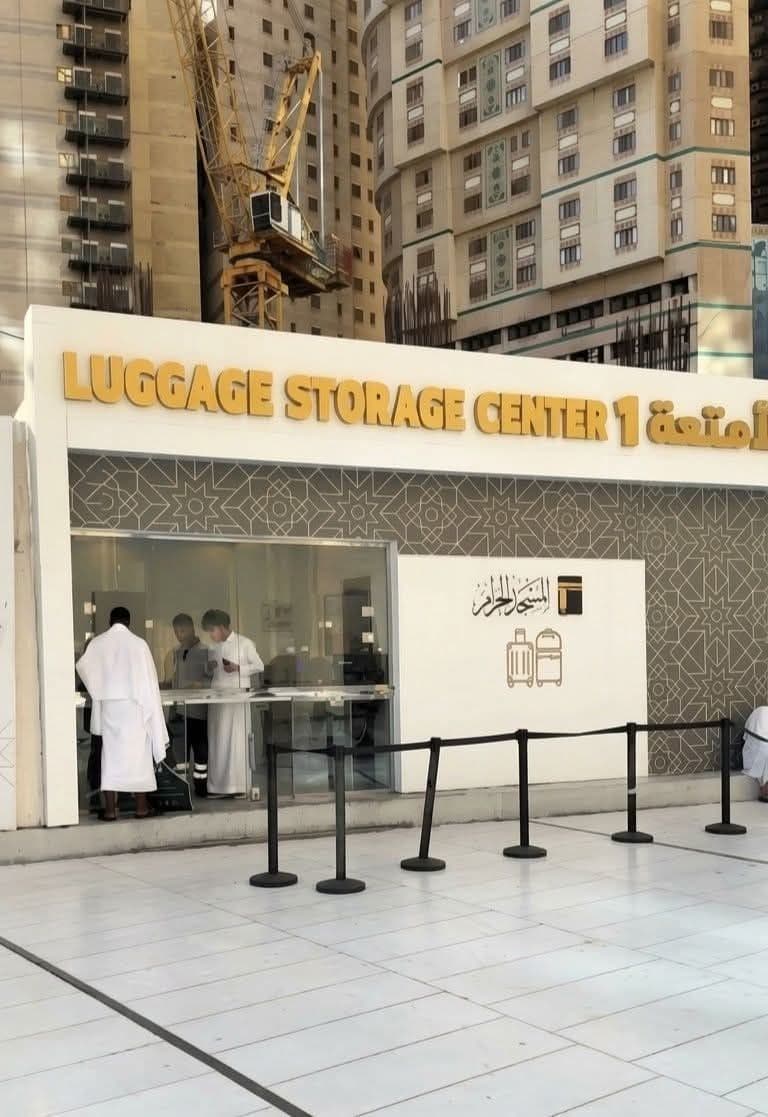
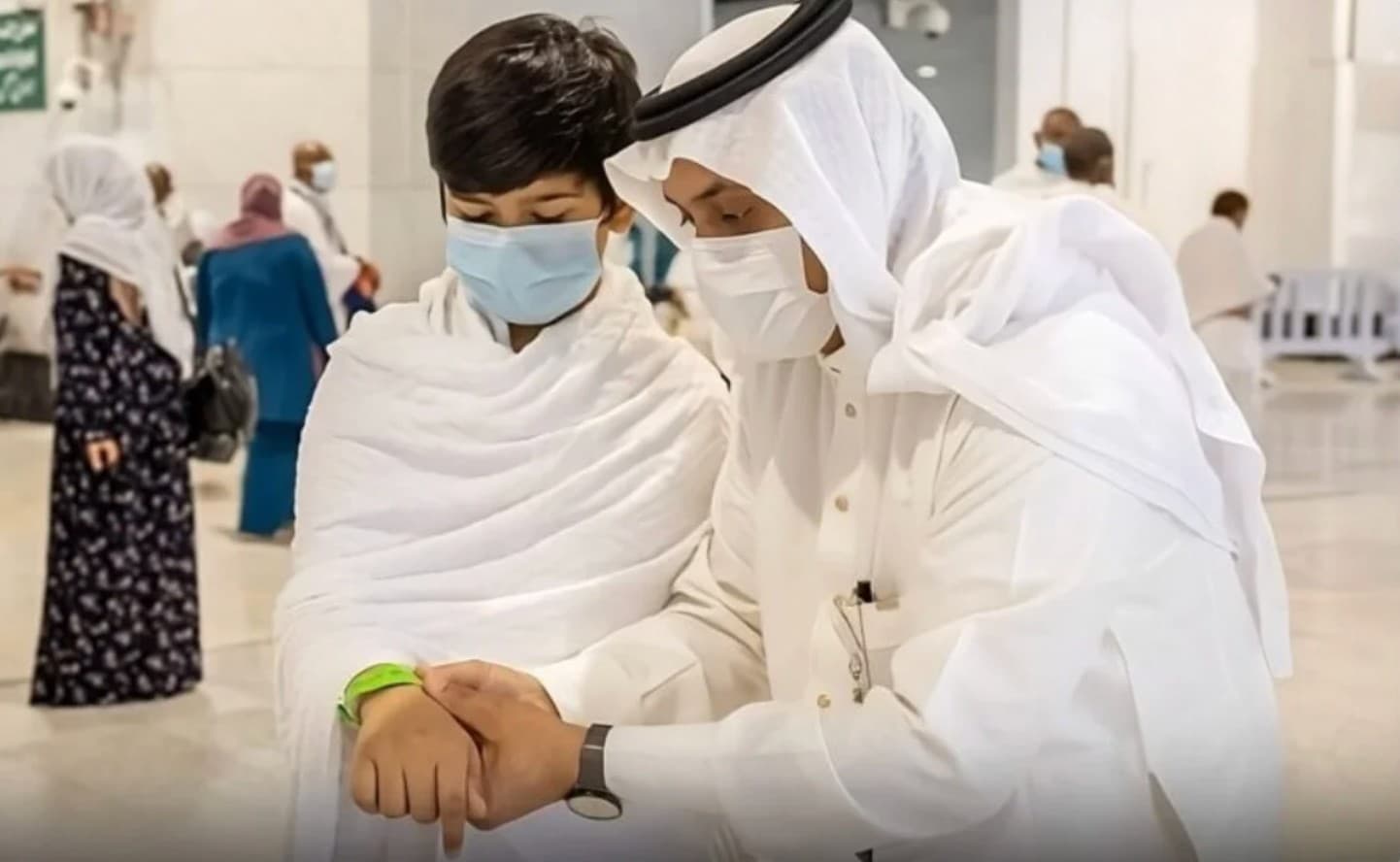
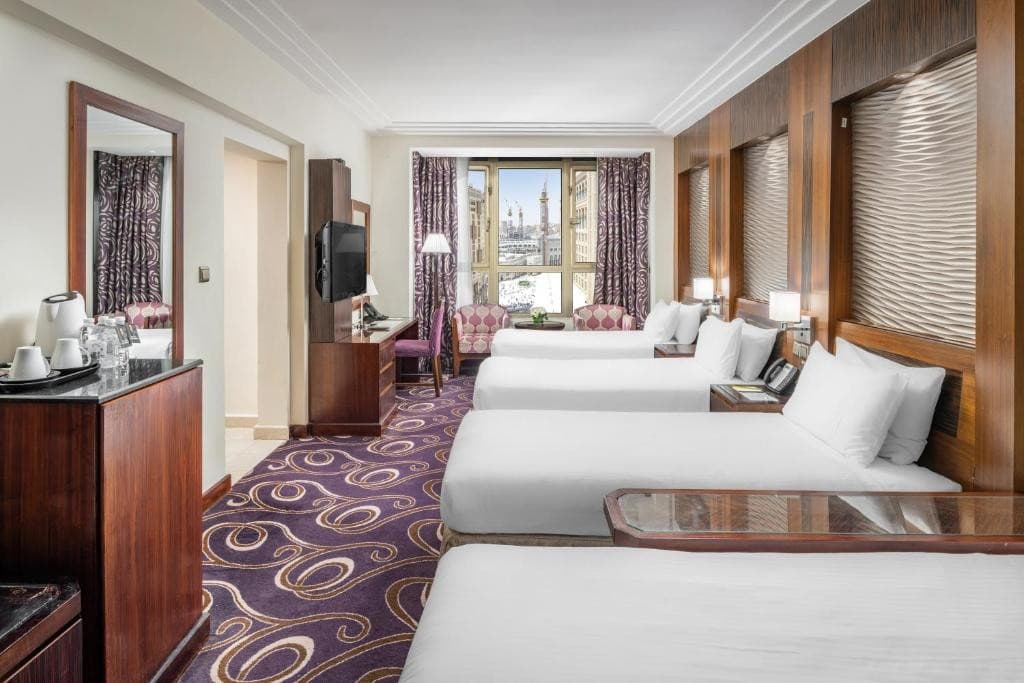
5 Things Families Visiting Makkah Need to Know
Practical tips that make Umrah with kids significantly easier — from play centres to pram storage
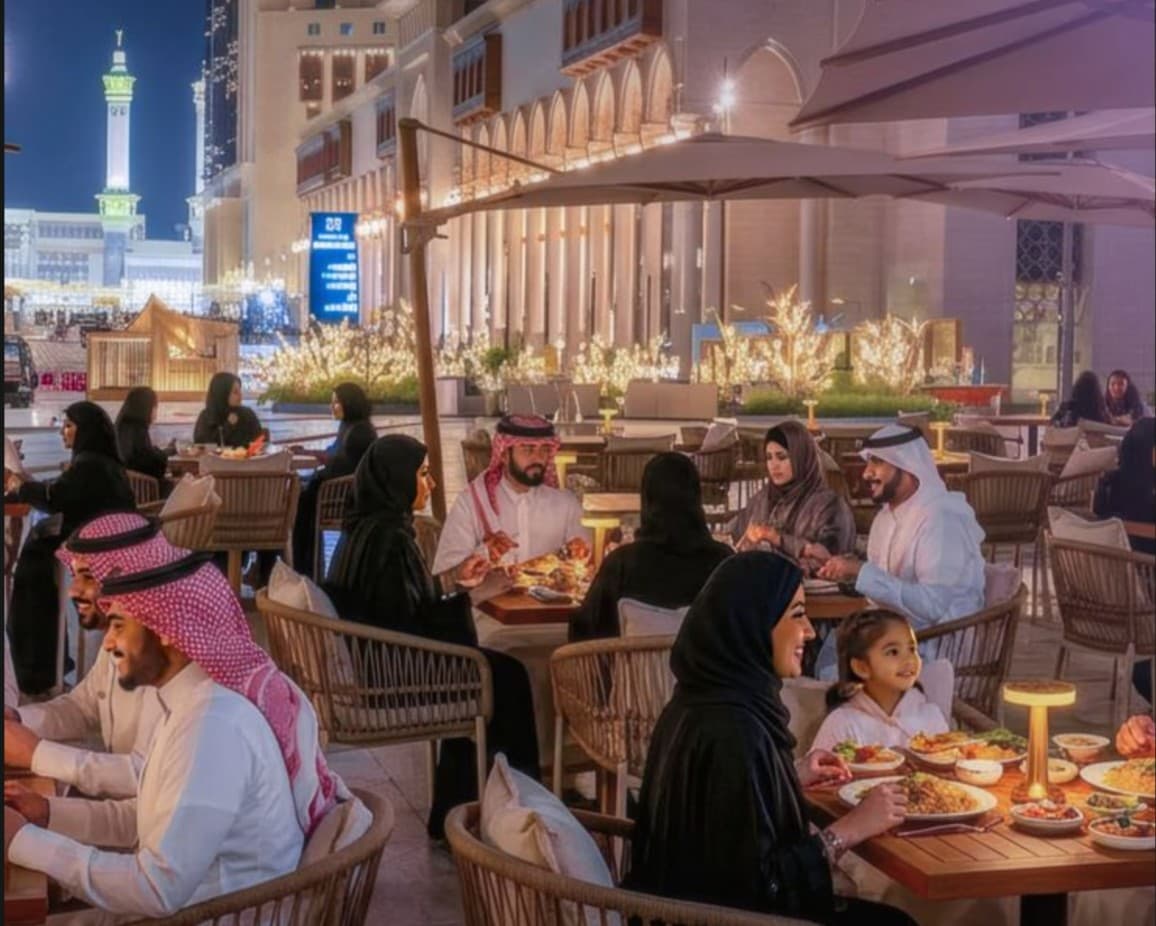



New Restaurants Coming to Makkah in 2026
What's opening, what we're watching, and why Makkah's food scene is about to change
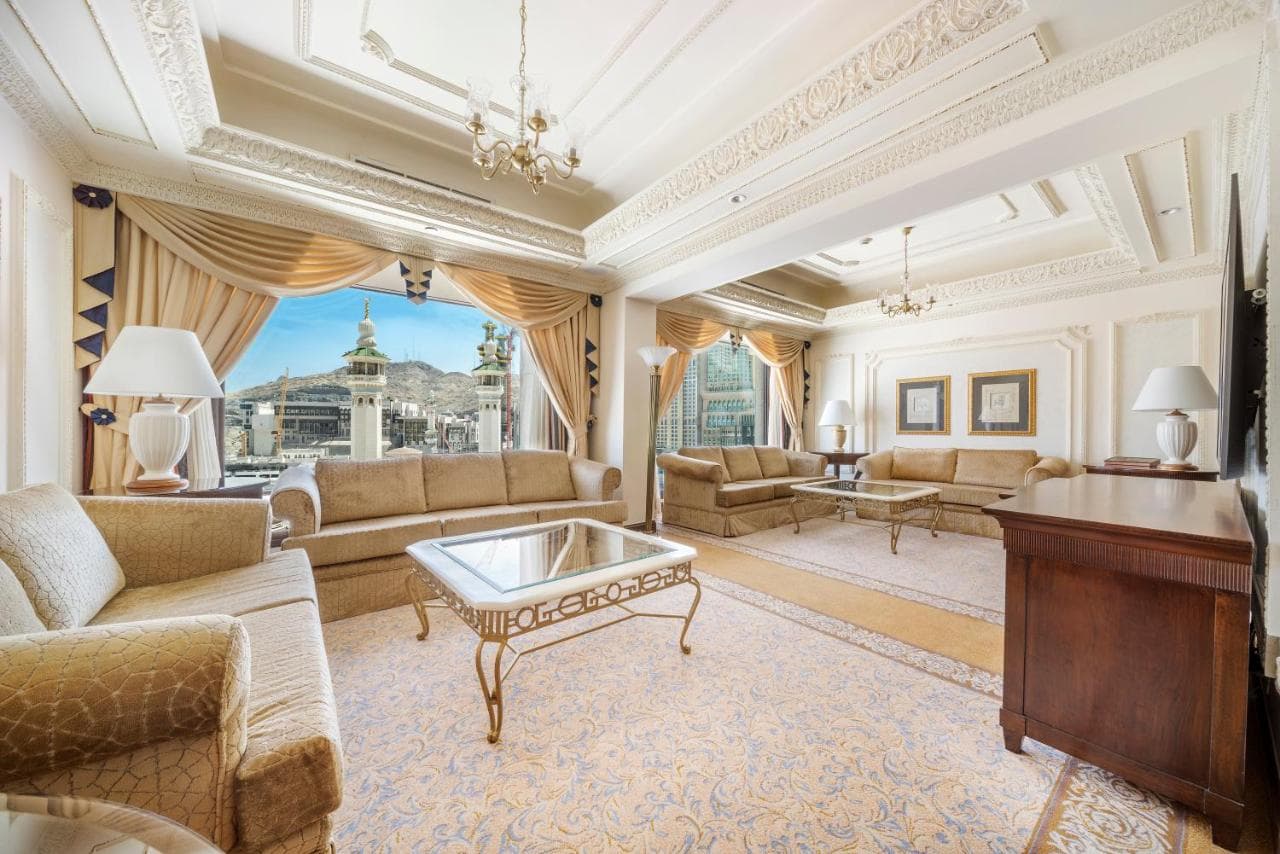
Top 10 Hotels Near the Haram
The closest, highest-rated stays within walking distance — ranked by proximity.