Ain Zubaida (Canal of Zubaida)
Trace the 38 km water channel that a queen built to save Makkah's pilgrims
Published 15 March 2025
In 174 AH (791 AD), Zubaydah bint Ja'far — wife of the Abbasid Caliph Harun Al-Rashid — watched pilgrims suffering from thirst on the road to Makkah and decided to fix the problem herself. She ordered engineers to build a channel that would carry water from the springs of Na'man Valley all the way to the holy city. The project stretched 38 km, took ten years to complete, and required cutting through rock and bridging valleys. It was, by any measure, one of the most ambitious infrastructure projects of the medieval Islamic world — and a woman commissioned it.
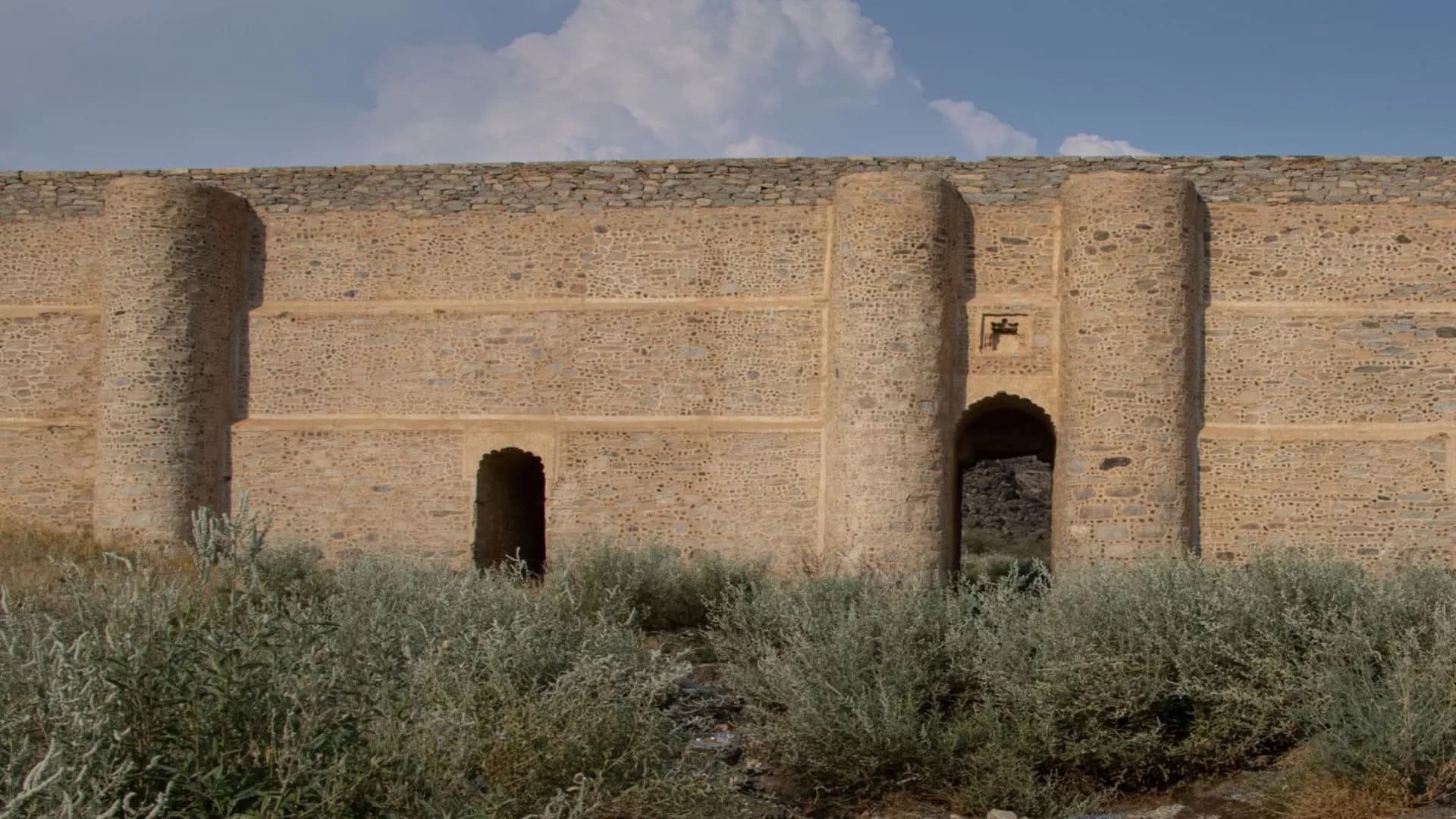
The canal of Zubaida is a monument to practical compassion. This was not a vanity project or a palace. It was plumbing — on a grand scale — built because pilgrims were dying of thirst. Over the centuries, successive rulers and benefactors maintained and extended the system. When it fell into disrepair, King Abdulaziz established a dedicated administration to restore it. The site has been restored and developed as Khasirat Ayn Zubaida — a cultural and recreational centre in the Mashaer area near Arafat, featuring a 1.2 km hiking trail and six cultural and recreational zones with multimedia displays that bring the history to life.
For anyone who thinks Islamic history is only about battles and theology, Ain Zubaida is a corrective. It is a story about water, engineering, and a queen who thought the comfort of ordinary pilgrims was worth a decade of construction.
Getting there:
- The restored site (Khasirat Ayn Zubaida) is located in the Mashaer area near Arafat
- You will need a car — a taxi or hired driver from central Makkah takes about 20-25 minutes outside of Hajj season
- The site is accessible without permits outside of the Hajj period
At the site:
- Walk the 1.2 km hiking trail that follows sections of the original canal route
- Six cultural and recreational zones with multimedia displays explain the history and engineering
- Visible features include restored stone-lined channels, underground tunnel openings, and water collection pools
- The setting in the Mashaer landscape helps you appreciate the scale of the original project
Duration: 1-2 hours is sufficient to walk the trail and explore the cultural zones.
- The canal is a heritage site — do not remove stones or disturb the structures
- Wear comfortable walking shoes; some sections require walking on uneven ground
- Bring water (ironic, given the site's purpose, but necessary)
- The Mashaer landscape around the site is scenic, especially in the cooler months
Discover more

5 Things Families Visiting Makkah Need to Know
Practical tips that make Umrah with kids significantly easier — from play centres to pram storage
5 Historical Places You Need to Visit in Makkah
If you love history, Makkah has more to offer than most visitors ever see
3 Things Pilgrims Miss Out on in Makkah
Three experiences most visitors never get to — each one different, all of them unforgettable.