Do you actually own the property in Makkah?
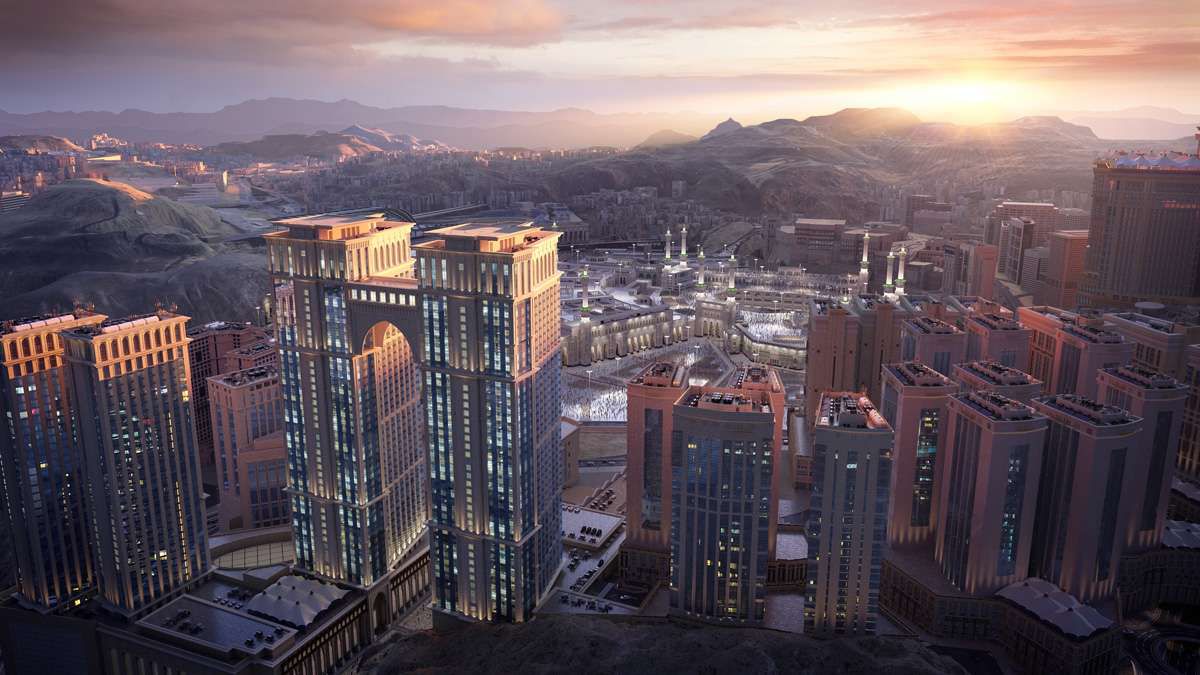
Freehold or leasehold? For non-Saudi buyers, the answer shapes what you're really getting.
Published 1 July 2026
It seems counter-intuitive, right? You purchase a property, so you would expect to own it.
This is where the details matter, a phrase you will often hear us use across our real estate discussions.
There are two types of property ownership: freehold and leasehold.
Freehold ownership takes place when there is a transfer of a title deed, in perpetuity. Essentially, you own the property and the land it sits on, indefinitely.
Leasehold takes place when you have rights over the property for a fixed period of time, for example 99 years. After that period ends, you no longer have rights over the unit and it is handed back to the freehold owner (usually the developer), unless you renew it.
Think of it like taking a very, very long lease agreement with a landlord.
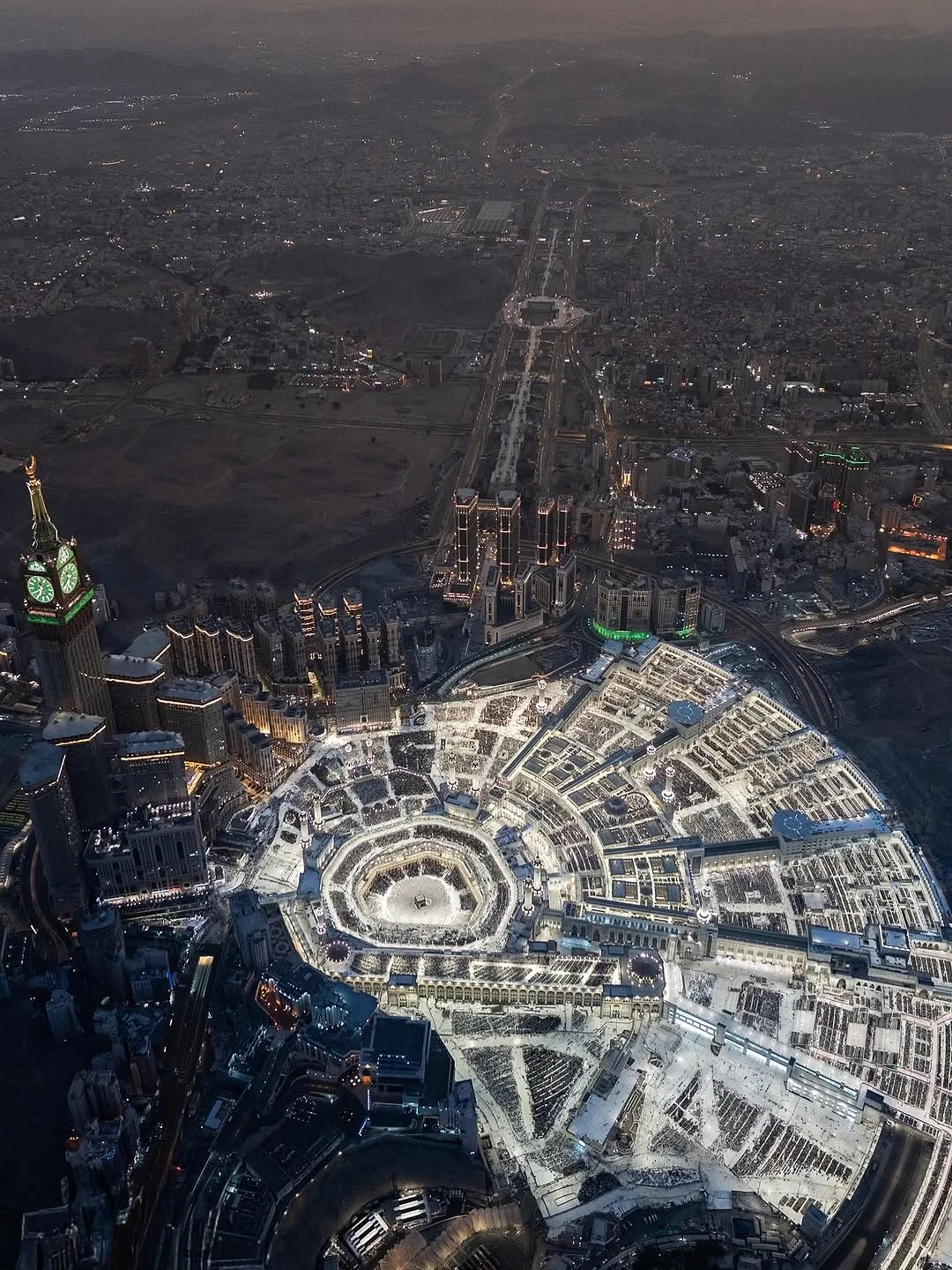
So which one is Makkah offering, and does it matter?
Here is where it stands today. The Saudi Properties website currently showcases 99 year leasehold rights for each geographic zone, offered to non-Saudi buyers across Makkah and Madinah.
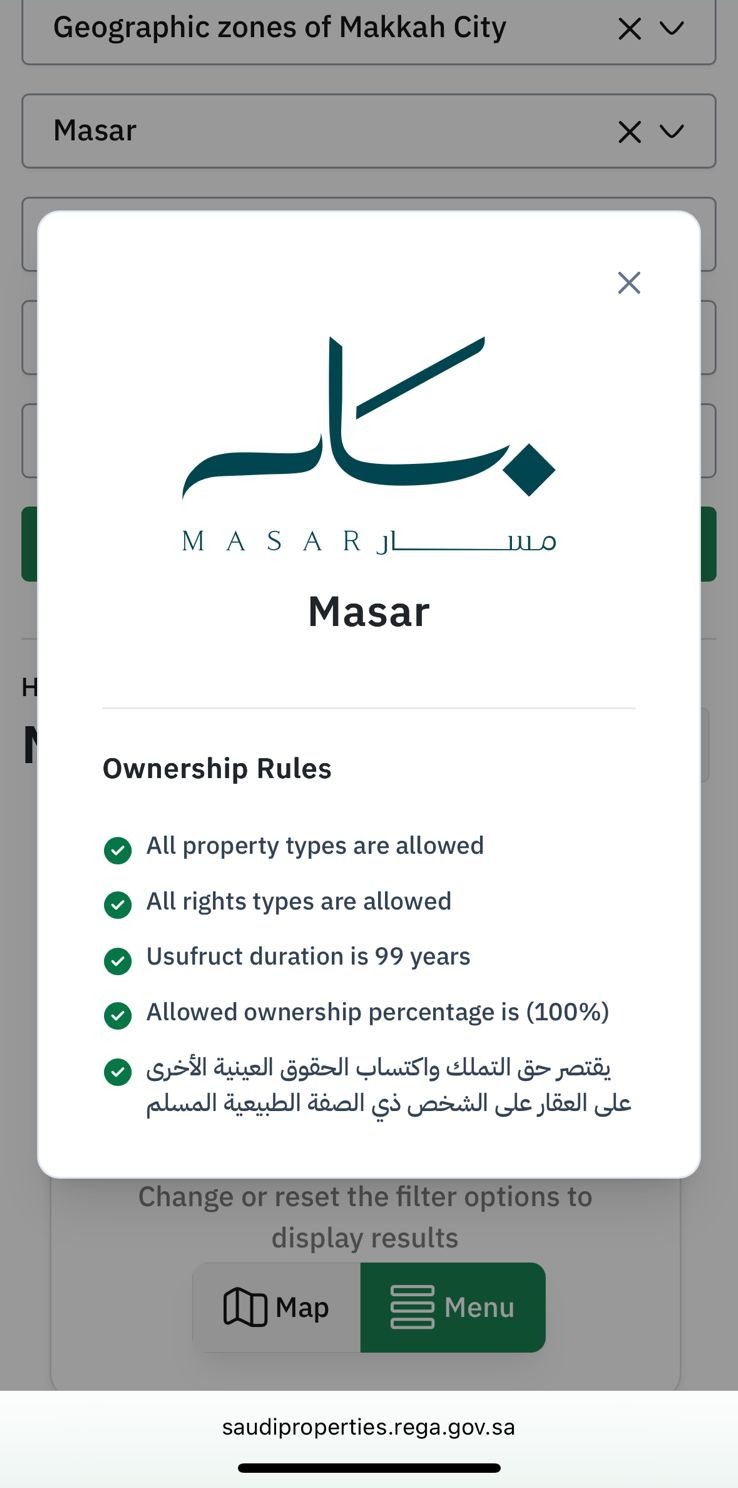
That said, following our conversations with sub-developers on the ground, there are differing views on what is actually being offered. Given that we are in the early days of the policy release, such questions are common and likely to be clarified in the coming weeks. We will be staying close to this one.
Does leasehold really make a difference?
Naturally, people would prefer to own the property outright and not be concerned with the incremental reduction in the number of years remaining on their leasehold.
We believe it does make a difference. How much of a difference depends on your outlook and your purpose for buying.
There is little to be concerned about for the next few decades with a 99 year lease. As a rough guide, once the remaining years fall significantly, and here we are talking 60 to 70 years from now, the value of the property is increasingly judged against the rental yield from the years that remain.
If you are planning to hand over a property as inheritance, this is a potential limitation. Again, it is not so much a problem you will have to deal with in your lifetime, if that provides any assurance whatsoever.
It is also worth noting that several developers are offering refundable deposits on property purchases, which removes the risk of committing today while the details are still being finalised.
The bottom line
Freehold is the stronger form of ownership, and the gap over leasehold widens as the years tick down. But if leasehold is what is on offer to foreign buyers, the question becomes whether the terms and the price are fair for what you are getting. That is a question worth answering properly before you commit.
We have broken all of this down, ownership structures, the projects, the process, and the questions to ask before you buy, in our free Buyer's Guide to Makkah. If you are serious about buying, this is where these questions get answered in full.
More news
Jeddah Airport Flight Status: What's Operating and What's Cancelled
Airline by airline, for anyone flying to or from Jeddah. Checked against airline announcements, and updated as schedules change.
What is Masar land actually worth? The price of proximity in Makkah
Masar reports land at the Haram-facing end at more than three times the price of land near the rail station; the transaction data shows a more complicated picture.
Who is building the new Makkah? Inside the developers shaping Masar
Masar is often described as one project. In reality, it is a 203-plot district being assembled by hotel groups, residential developers and investment funds.
Jeddah Airport Flight Status: What's Operating and What's Cancelled
Airline by airline, for anyone flying to or from Jeddah. Checked against airline announcements, and updated as schedules change.
What is Masar land actually worth? The price of proximity in Makkah
Masar reports land at the Haram-facing end at more than three times the price of land near the rail station; the transaction data shows a more complicated picture.
Who is building the new Makkah? Inside the developers shaping Masar
Masar is often described as one project. In reality, it is a 203-plot district being assembled by hotel groups, residential developers and investment funds.
See more
Accor to launch 5 new hotels across Makkah and Madinah
Five hotels and 4,885 keys, from Sofitel Jabal Omar this year to Novotel in 2030.
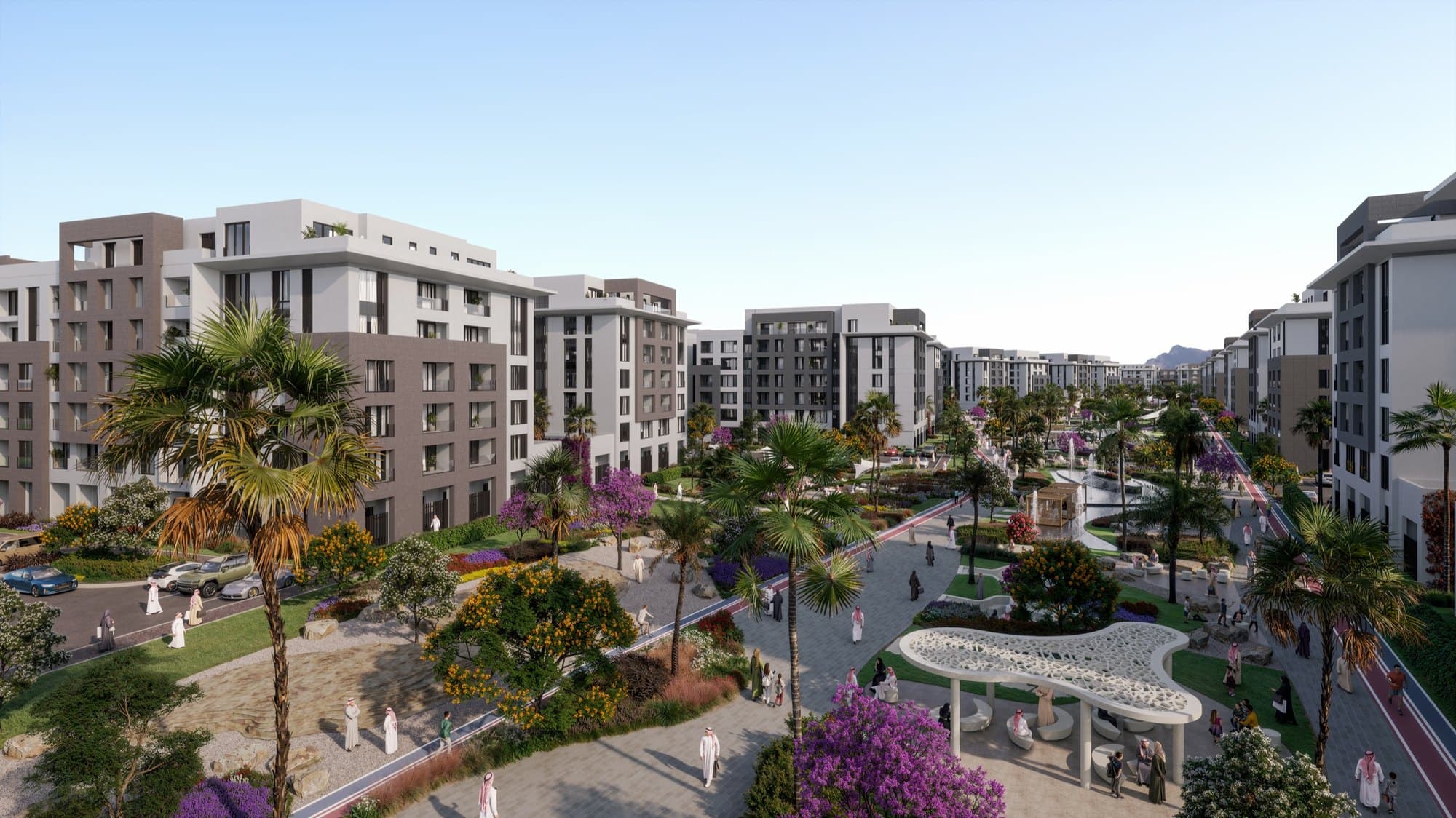
A new residential community in Madinah
Off-plan apartments from £370,000 beside the Haramain station, with a 5% down payment and freehold title.
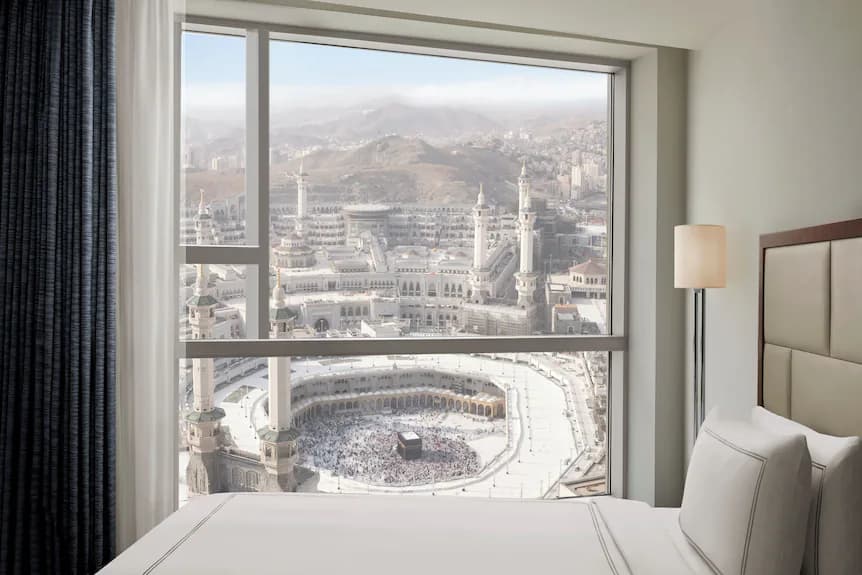
Your guide to finding a Haram-facing hotel room
23 hotels offer Haram-facing rooms, 11 see the whole Haram and 12 sell Kaaba view rooms. Here is the full list.
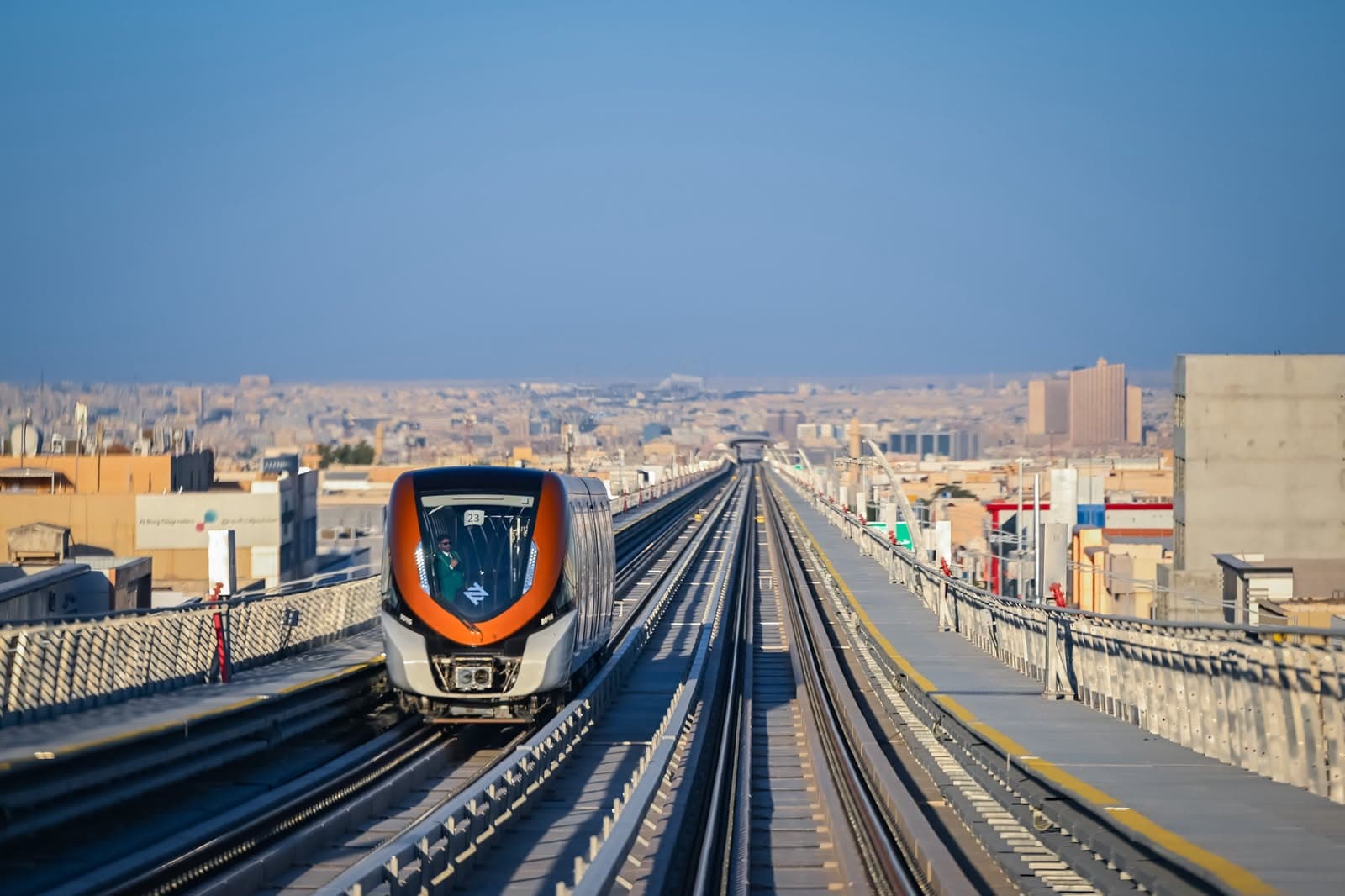
Makkah metro is moving forward
Four lines, 183 km and 89 stations, phased in from 2032. The design deadline is October.
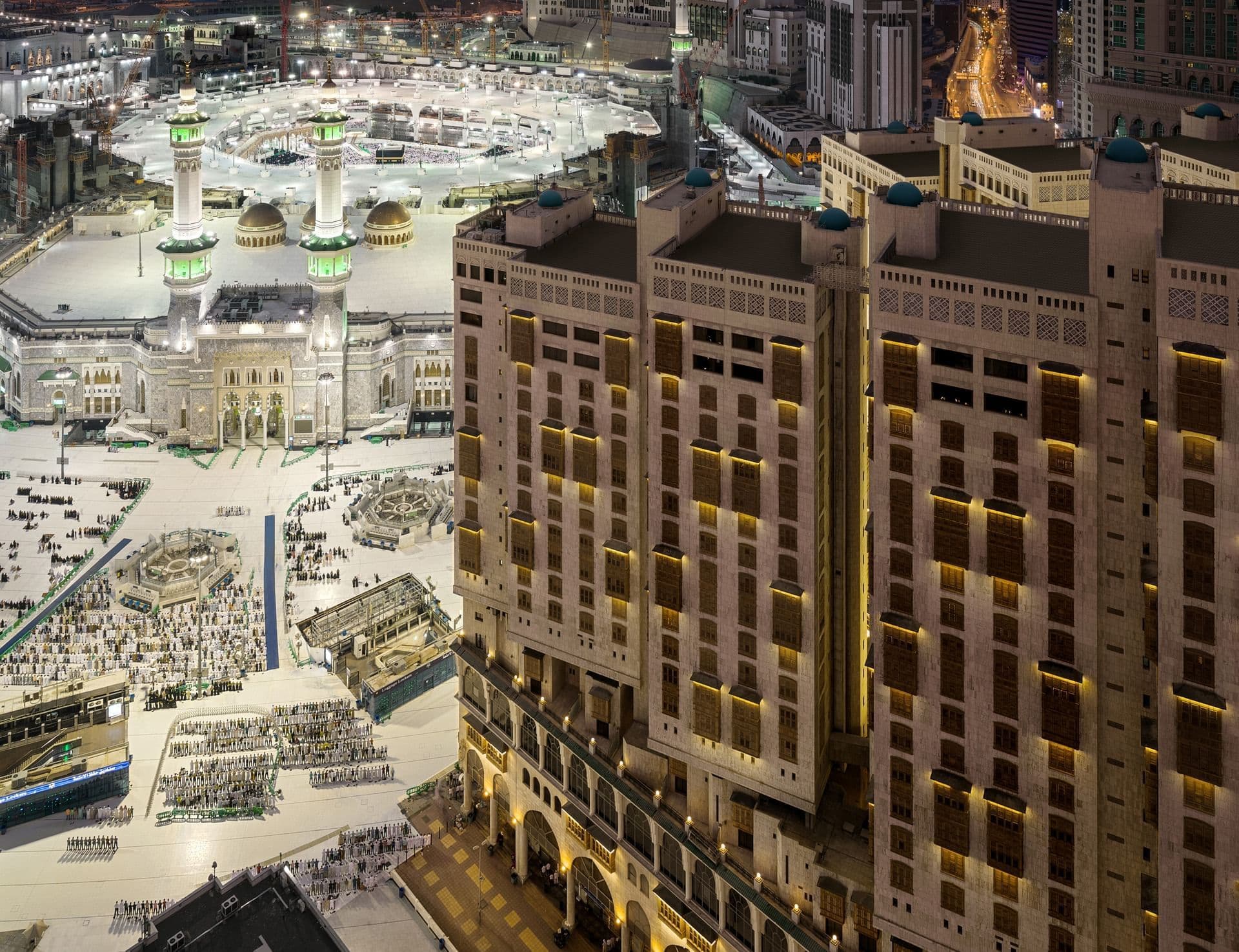
Makkah Towers is getting a $100 million refit
The lowest rated of the 25 major brands near the Haram is renovating its rooms, as new hotels raise the bar.
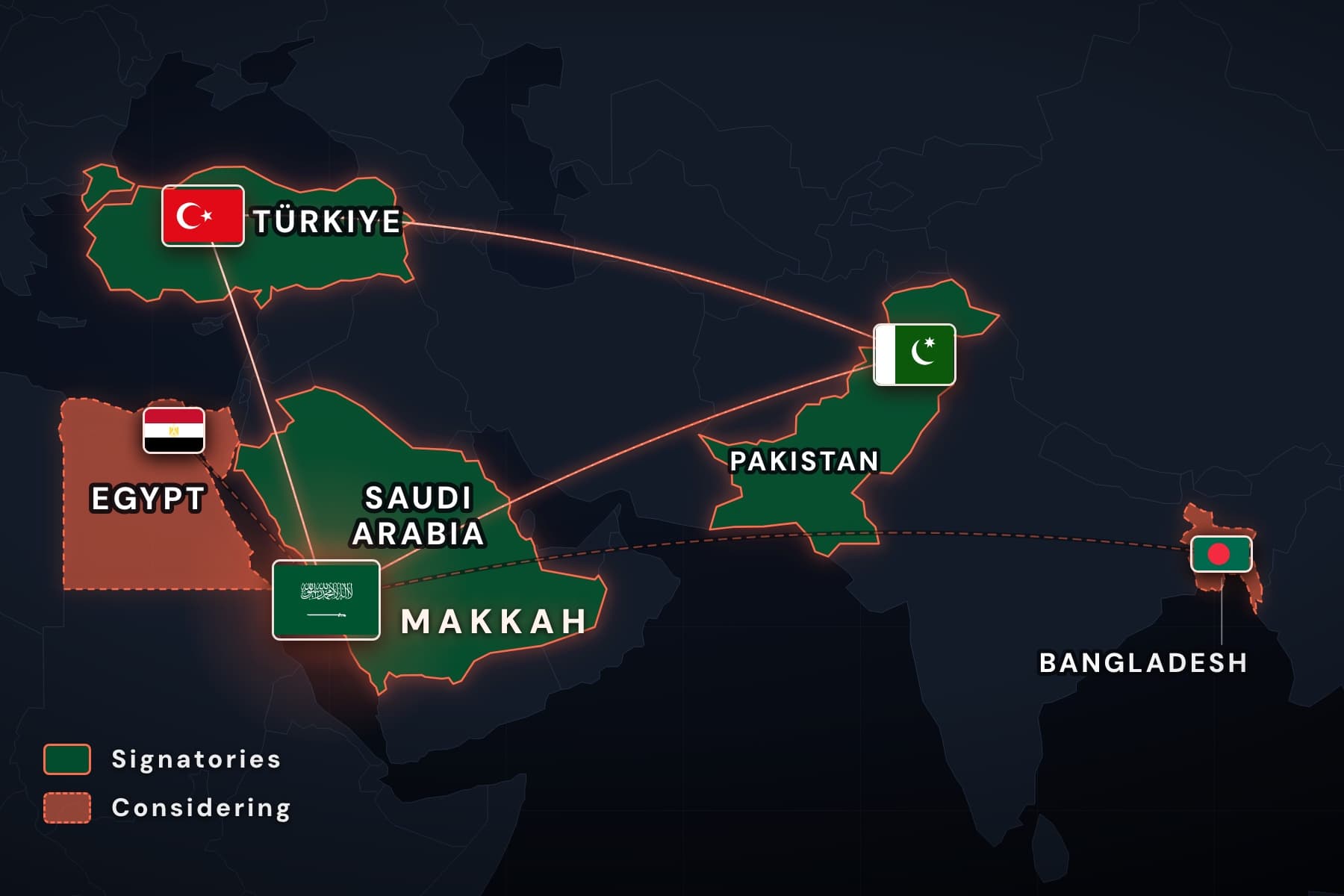
Is the Makkah Defence Agreement growing?
Dhaka and Cairo are touted as the latest players considering the pact.
Accor to launch 5 new hotels across Makkah and Madinah
Five hotels and 4,885 keys, from Sofitel Jabal Omar this year to Novotel in 2030.
A new residential community in Madinah
Off-plan apartments from £370,000 beside the Haramain station, with a 5% down payment and freehold title.
Your guide to finding a Haram-facing hotel room
23 hotels offer Haram-facing rooms, 11 see the whole Haram and 12 sell Kaaba view rooms. Here is the full list.
Makkah metro is moving forward
Four lines, 183 km and 89 stations, phased in from 2032. The design deadline is October.
Makkah Towers is getting a $100 million refit
The lowest rated of the 25 major brands near the Haram is renovating its rooms, as new hotels raise the bar.
Is the Makkah Defence Agreement growing?
Dhaka and Cairo are touted as the latest players considering the pact.