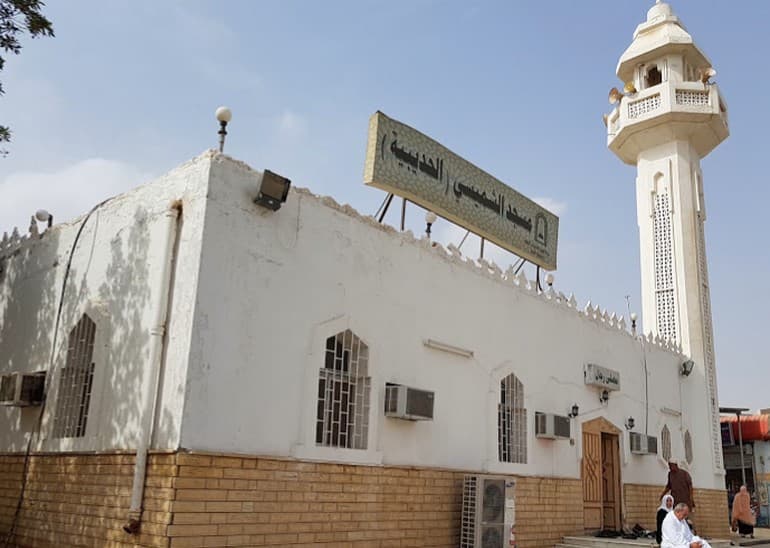
Treaty of Hudaibiyah Site
Where one of the most significant peace treaties in Islamic history was sealed
In the 6th year after Hijrah, the Prophet Muhammad (peace be upon him) set out from Madinah with around 1,400 companions intending to perform Umrah. At Hudaibiyah, on the outskirts of Makkah, the Quraysh blocked their path. What followed was not a battle but a negotiation — and the resulting Treaty of Hudaibiyah became one of the most significant turning points in Islamic history.
The Quran describes the Treaty of Hudaibiyah as a "clear victory" (Surah Al-Fath, 48:1), even though at the time many of the companions found its terms difficult to accept. The treaty brought peace, allowed the Muslims to return for Umrah the following year, and ultimately opened the door to the peaceful conquest of Makkah just two years later.
Standing at the site where this happened connects you to that moment — the patience, the trust, and the long-term wisdom of accepting terms that seemed unfavourable at the time. It is a powerful lesson in trusting the process.
Masjid Al Hudaybiyyah — a mosque built at the site where the treaty was agreed upon. Simple and peaceful, with room for prayer and reflection.
Bi'r Shumaisi (the historical well) — the well where the companions drew water during the negotiations. It has been preserved and marked.
Small museum — a modest exhibition with historical context about the treaty and its significance.
The entire area is free to enter and open from Fajr to Isha.
By car: About a 25-minute drive from Al Haram, heading west on the Jeddah highway. Uber and Careem both work well for this trip.
Parking: There is parking available at the mosque.
Good to know
- Allow 1-2 hours for a meaningful visit
Discover more

Jabal Thubair (Thubair Mountain)
The mountain of the ransom — where a ram descended from the sky for Ibrahim
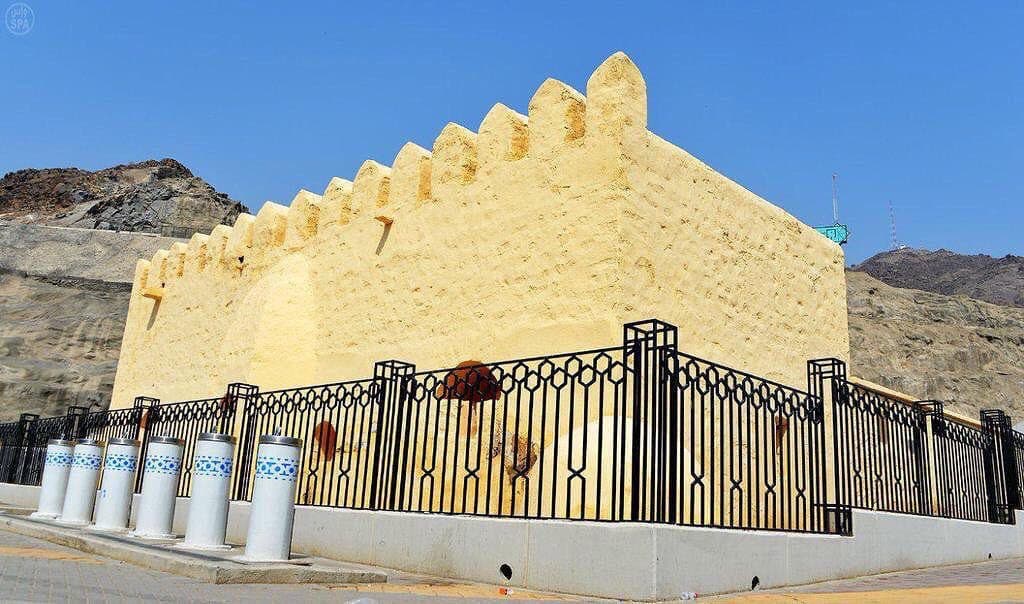
Masjid Al-Bayah (Mosque of the Pledge)
Stand where the Ansar pledged allegiance and changed the course of Islam
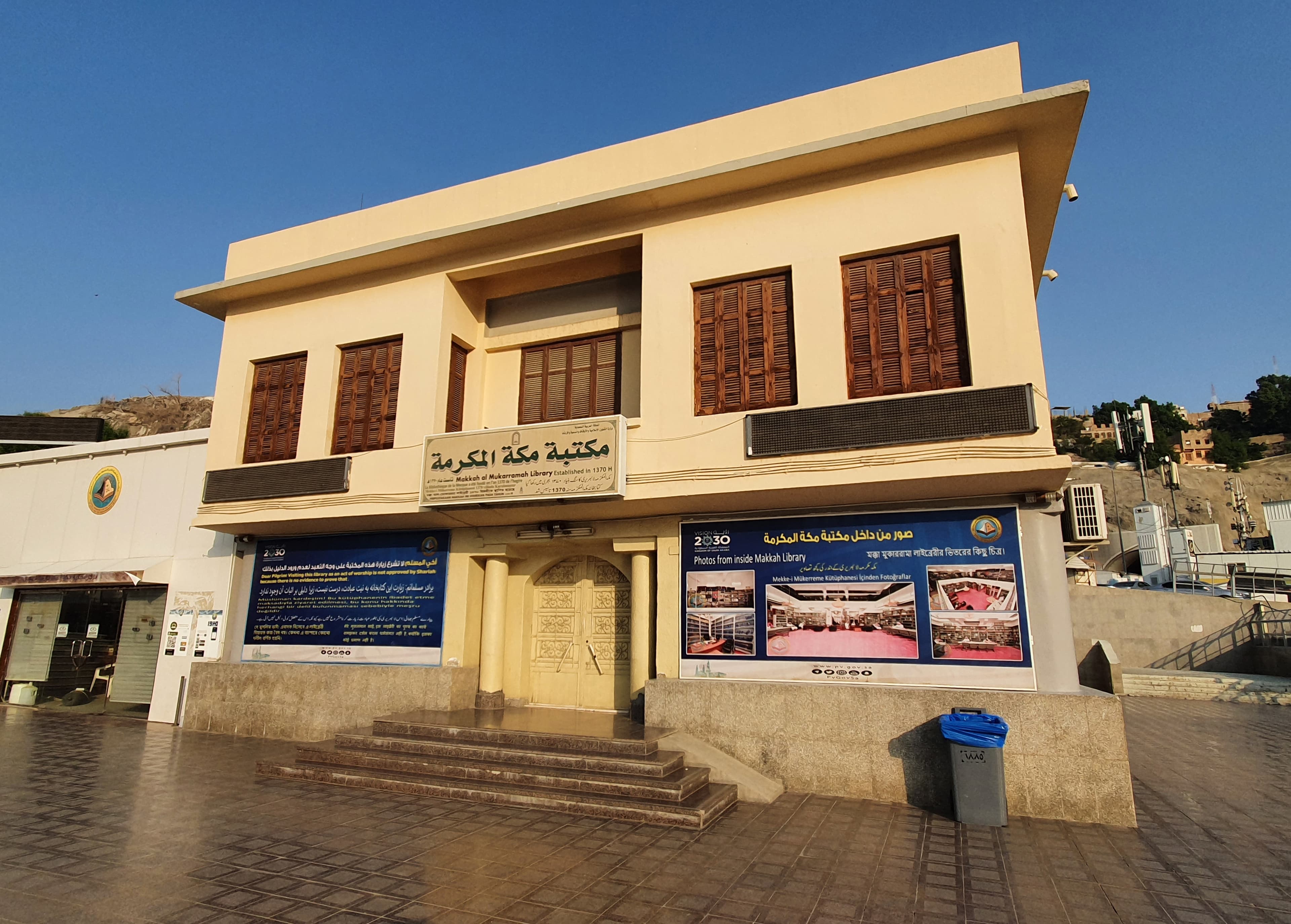
The Prophet's ﷺ Birthplace
Stand where the most important person in Islamic history was born